




Top-rated tree service pros.

Best tree service pros near West Tisbury, MA

Enter your zip and get matched with up to 5 pros

Need a pro for your tree service project in West Tisbury, MA?

Select your specific project to find the pro for you.

TRUSTED BY WEST TISBURY, MA HOMEOWNERS

  • Average homeowner rating star icon4.8
    Average homeowner rating
  • Verified reviews icon139
    Verified tree services reviews

Top-Rated Tree service pros in West Tisbury - Updated Nov 2026

Avatar for Peart Professional Services, Inc.
Peart Professional Services, Inc.
4.7(
49
)
Tree RemovalTree TrimmingTree Removal - For Business+3 more

Serving West Tisbury, MA and surrounding areas

Approved

In business since 2014

Free estimates

Emergency services offered

"I had a great experience with Peart Professional! You can count on their expertise, professionalism, and commitment to getting the job done. They are fast, reliable, and very efficient. I’m truly grateful for their assistance with the excavation and site preparation for my home. I highly recommend them to anyone looking for quality excavation services and beyond. You won’t be disappointed!!"
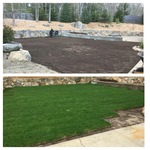
Sodding
Landscape
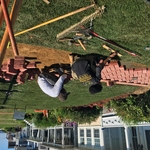
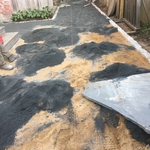
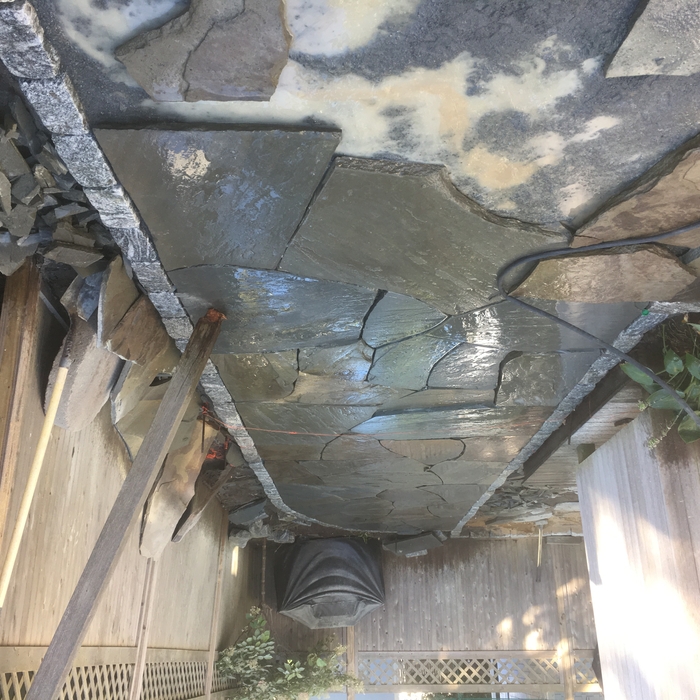
Walk way
Patio
Patio

+4

Response time5 hrs
Response rate90%
17 neighbors recently requested a quote
Extreme Makeover ll
New to Angi
Tree Removal

Serving West Tisbury, MA and surrounding areas

Approved

In business since 2020

Free estimates

Credit card accepted

At Extreme Makeover II, we take great pride in our experience, expertise, quality and customer service that we provide to meet the consumer's needs. It is our mission to provide excellent workmanship and complete customer satisfaction from start to completion of a project. In order to understand the needs and expectations of our customers, we take great care to work and communicate with every customer in a professional manner. Our reputation is based on service, safety and quality, regardless of how large or small the job.

...
Showing 1-10 of 54
Tree Service FAQs, answered by experts

In most ways, palm trees are incredibly low-maintenance. They don’t need a ton of water—which is why they’re so beloved in desert regions—and they basically prune themselves. But they do need an ample supply of sunlight and to be in soil that will allow for proper drainage so that their roots don’t become waterlogged and at risk of developing illnesses.

If the plant begins to wilt, develop spots, or change color, these could all be signs that your palm tree has a disease. But a few basic treatments, like pruning and applying fungicide, will usually be more than enough to return it to perfect health.

Generally, avoid trimming trees in the summer (with the exception of pruning fruit trees as needed). Trees use a lot of energy in the summer, most of which is relegated to new growth. If you chop it too early, you could stunt the next season's growth. Again, when in doubt, do some research based on the specific tree type.

According to scientists at Penn State University, spotted lanternflies do not typically kill the trees and plants they feed on, but they can cause branches and segments to die off. However, they have been found to kill cultivated grapes, which can have devastating consequences for vineyard owners and regions that heavily rely on vineyards to create jobs and generate revenue. They have also killed the Ailanthu altissima, known as the tree of heaven, though this is classified as a noxious and invasive weed tree.

You may be looking to identify maple trees to use for home improvement projects. In that case, you can tell hard maples by looking at their leaves. Leaves will have a U-shaped dip, or sinus, between the points, or lobes, of the leaves. Leaves of soft maples tend to have V-shaped sinuses.

If you already have the cut wood in front of you, look for a light, uniform color to identify hard maple wood and check for variations of red, gray, or brown streaks and an overall darker color in soft maple wood.

Completely topping a plum tree is a risky business. Cut too much, and you’ll kill your tree. That said, you do need to trim the top of your tree to encourage bushy growth, maintain your tree’s vase shape, and limit size. 

A plum tree's central leader (or trunk) should never extend more than 3 feet above the highest branch. When you first plant your tree, cut the central leader so it’s 2 to 3 feet tall. As it grows, cut it back 12 to 20 inches until it reaches its desired height. Never prune more than one-third of the new growth.

The West Tisbury, MA homeowners’ guide to tree services

From average costs to expert advice, get all the answers you need to get your job done.