




Top-rated electricians.

Get matched with top electricians in Shelburne Falls, MA

Enter your zip and get matched with up to 5 pros

Need a pro for your electrical service project in Shelburne Falls, MA?

Select your specific project to find the pro for you.

TRUSTED BY SHELBURNE FALLS, MA HOMEOWNERS

  • Average homeowner rating star icon4.6
    Average homeowner rating
  • Verified reviews icon76
    Verified electrical services reviews

Find Electricians in Shelburne Falls

Brian K Hall
5.0(
1
)
Electrical Switches, Outlets & Fixtures - Install or RepairElectrical Wiring or Panel Upgrade

Serving Shelburne Falls, MA and surrounding areas

Approved

In business since 2011

Free estimates

Customers say: Quick response

Here at Brian K. Hall Electric, we are a locally owned and operated company that values honesty and integrity and treats your home as if it were our own. We offer a variety of quality home it services. You will find us to be competitively priced with close attention to the details of each and every project that we are involved with. We look forward to building lasting relationships and guarantee your satisfaction! We have over 20 years of experience.

Response time2 days
Recommended by100%of homeowners
Avatar for Digital City Technology, Inc.
Digital City Technology, Inc.
5.0(
6
)
Telephone Jacks and Wiring - Install - For Business

Serving Shelburne Falls, MA and surrounding areas

Approved

In business since 2012

Free estimates

Emergency services offered

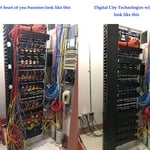
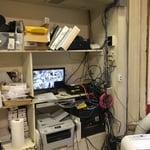
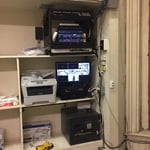
"They took the lead on my network wiring job. I was able to walk away and take care of other IT duties while trusting that the job would be done to specifications with no shortcuts."
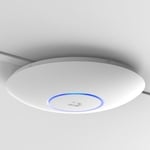
Unifi AC Pro
Before and After
Network mess before
After
WiFi 2

+30

Response time1 day
1 neighbors recently requested a quote
Recommended by100%of homeowners

Avatar for Light M Up electric
Light M Up electric
New to Angi
Lightning Protection - Install or RepairPortable Generator - Repair

Serving Shelburne Falls, MA and surrounding areas

Approved

Emergency services offered

Warranties offered

Small jobs welcome

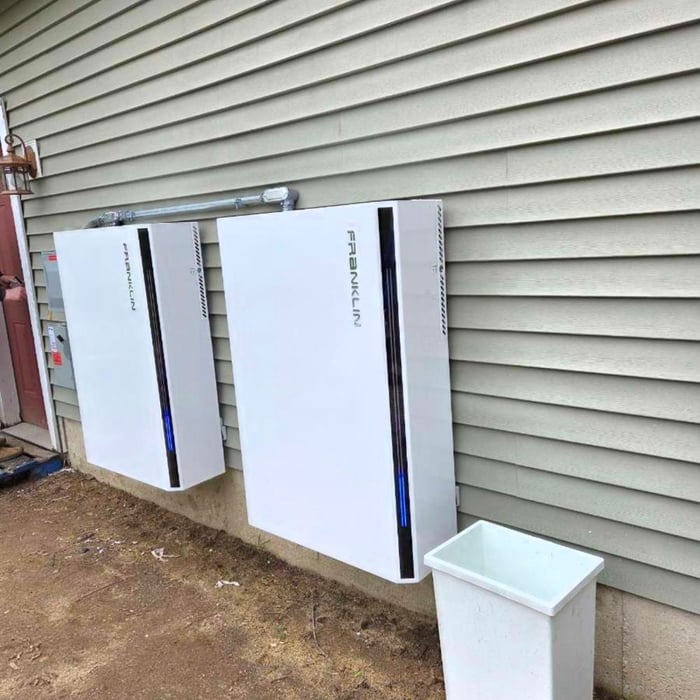
I am a Master electrician with 30 years experience as an electrician in residential, commercial, and industrial electrical work. I am a USMC Veteran and strive to be honest, professional, and sincere to my customers. I also sell backup generators and battery backup systems.

...
Showing 1-10 of 79
Electrical questions, answered by experts

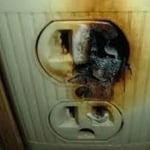
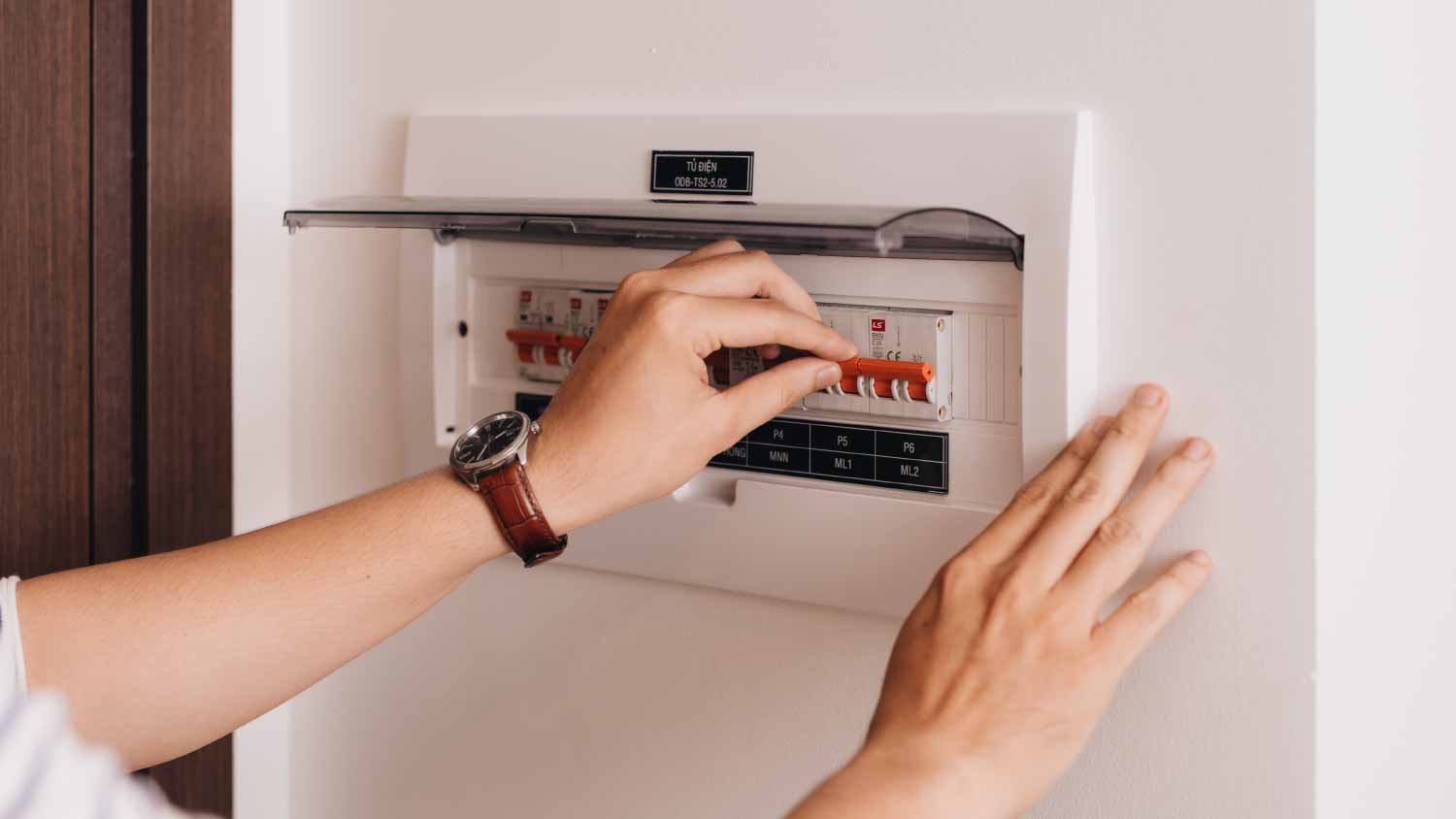
Common warning signs of an overloaded electrical panel or meter box include frequent circuit breaker tripping, flickering or dimming lights, scorch or burn marks, and a burning scent coming from the panel. A circuit breaker trips as a protective measure to prevent overheating and potential fires. If you observe any of these signs, turn off the affected circuit breaker and move some devices to a different circuit. If the problem persists after turning the breaker back on, you should contact a professional electrician to resolve the issue.

Yes, hot tubs can use a significant amount of electricity, primarily to keep the water heated. A typical hot tub uses between 1,500 and 6,000 watts, and the pump can add another 1,500 watts. This usage can result in a monthly cost of around $20 to $30. The exact amount of electricity consumed depends on several factors, including the hot tub's age, size, heater voltage (120V vs. 240V), usage habits, and thermostat setting. Newer, energy-efficient models generally use less power than older ones. To reduce electricity costs, consider investing in an energy-efficient model, using a quality insulated cover with a thermal blanket, and keeping the filters clean.

Volts and watts aren’t directly convertible units—they measure different aspects of electricity. Volts measure electrical potential, while watts quantify the power. The relationship between the two is defined by the equation: Power (watts)= Voltage (volts) x Current (amperes). In other words, the product of volts and amps results in watts, but there is no fixed conversion of volts into watts.

No. When applied properly, electrical tape is designed to be an insulating material with high resistance to electricity. It can reinforce electrical connections and act as a safeguard to help ensure the electrical current stays within its designated pathways. However, it’s important to note that it can break down over time and you should never use it as a replacement for electrical wire caps.

Sprinkler valves typically have 16 AWG or 18 AWG wires. AWG, or American Wire Gauge, is the standard measurement for wire gauge sizing in the U.S. The gauge is the thickness of the wire, with higher AWG numbers indicating thinner wires. You can find the gauge measurement in your sprinkler system’s user manual or on the sprinkler manufacturer’s website.

The Shelburne Falls, MA homeowners’ guide to electrical services

From average costs to expert advice, get all the answers you need to get your job done.