






Gibraltar Pools & Spas
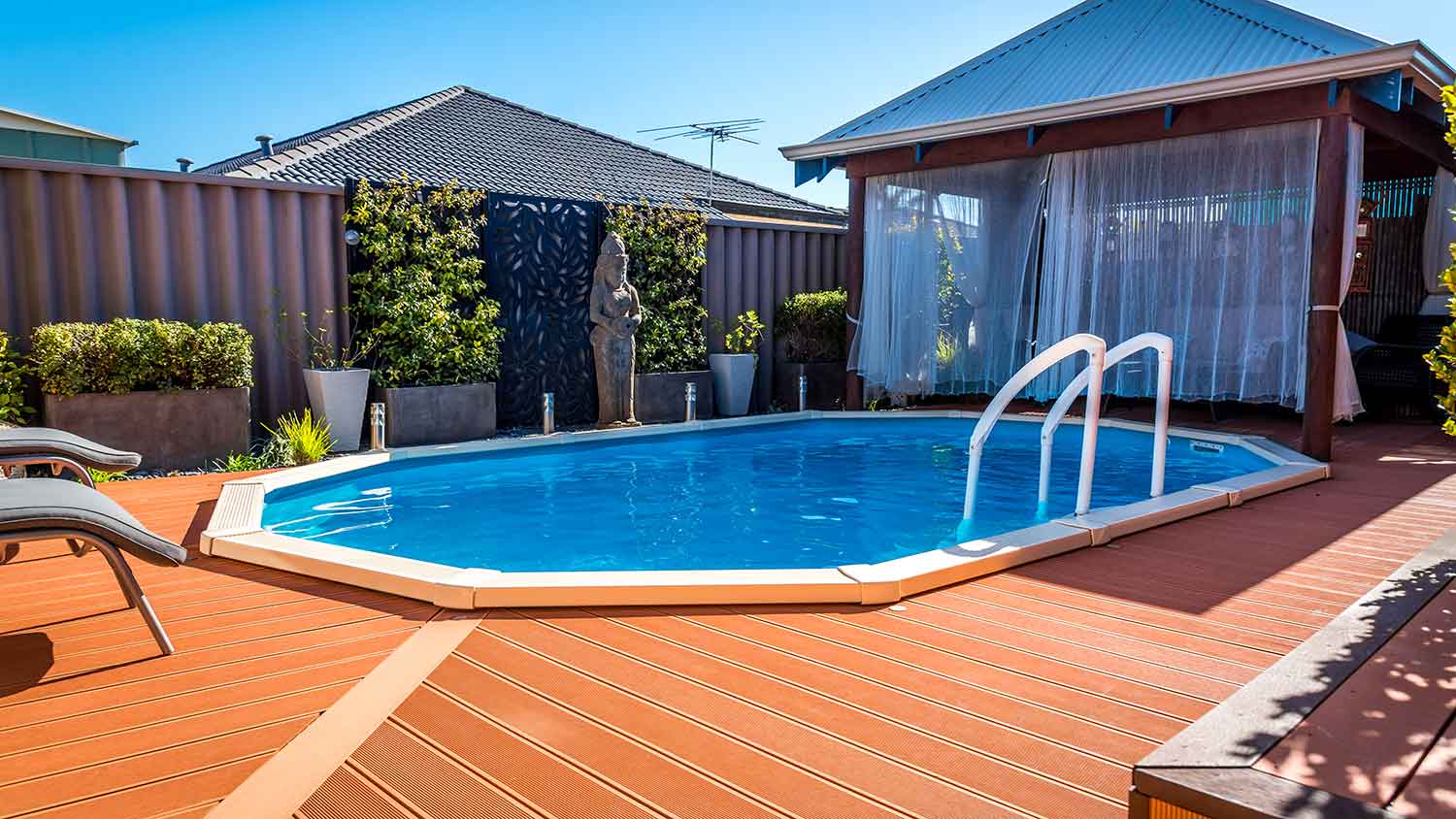
Swimming Pool - Above Ground, Build or Install - Need Materials
Serving Hatfield, MA and surrounding areas
Approved
In business since 1985
Free estimates
Customers say: Quick response
"I have had the best experience with Gibraltar, and I cannot say enough about the people who work there and the product itself; we love our pool!! Itâ s given us a lot of joy this summer with friends and family. But foremost for my review is the people who I have interacted with since we purchased the pool in the summer of 2020- they are awesome. Really the best. I have not seen customer service like this at another company in a long time. We put in our new pool last November for a deeply meaningful reason for our family and I ended up talking with the CEO and shared with him the reason. He was so awesome and wrote me such a sincere, kind, and genuine note. From the CEO to the college kid on the floor and everyone in between- I have been so impressed with their patience, knowledge, friendliness, and professionalism. Iâ m so appreciative to Peter, Ellen, Grace, Ana, Jason, Keith, Jim, Ryan, Wayne and Jim. They have all been so incredibly awesome to deal with, and I feel like I am working more with a family than a huge company. Itâ s amazing they employee so many people who are each individually so helpful. You can tell the owners really care about how their store is represented and that they care about the quality of their work. We (like several other families) decided to build our pool during quarantine in 2020. There were delays that no one could have foreseen because the supplies were impossible to get for months- but that was no oneâ s fault, no one could have guessed we would be in a pandemic, and that the demand for pools would go up so much. So, even though there were delays, we understood, and Gibraltar did everything the could to get our pool built as quickly as possible and to make sure it was open for the summer season of 2021- and it was. I was sad to see reviews that said they took too long- I honestly just donâ t think it was fair. Who could have foreseen the impacts of a pandemic? So, for us, the delays were what they were, and we appreciated that they did all they could, with what they had to work with, and kept up updated along the way. I would highly recommend Gibraltar to anyone who wanted to put in an awesome above ground pool and have superior customer service."
Response time3 days
Response rate85%
19 neighbors recently requested a quote