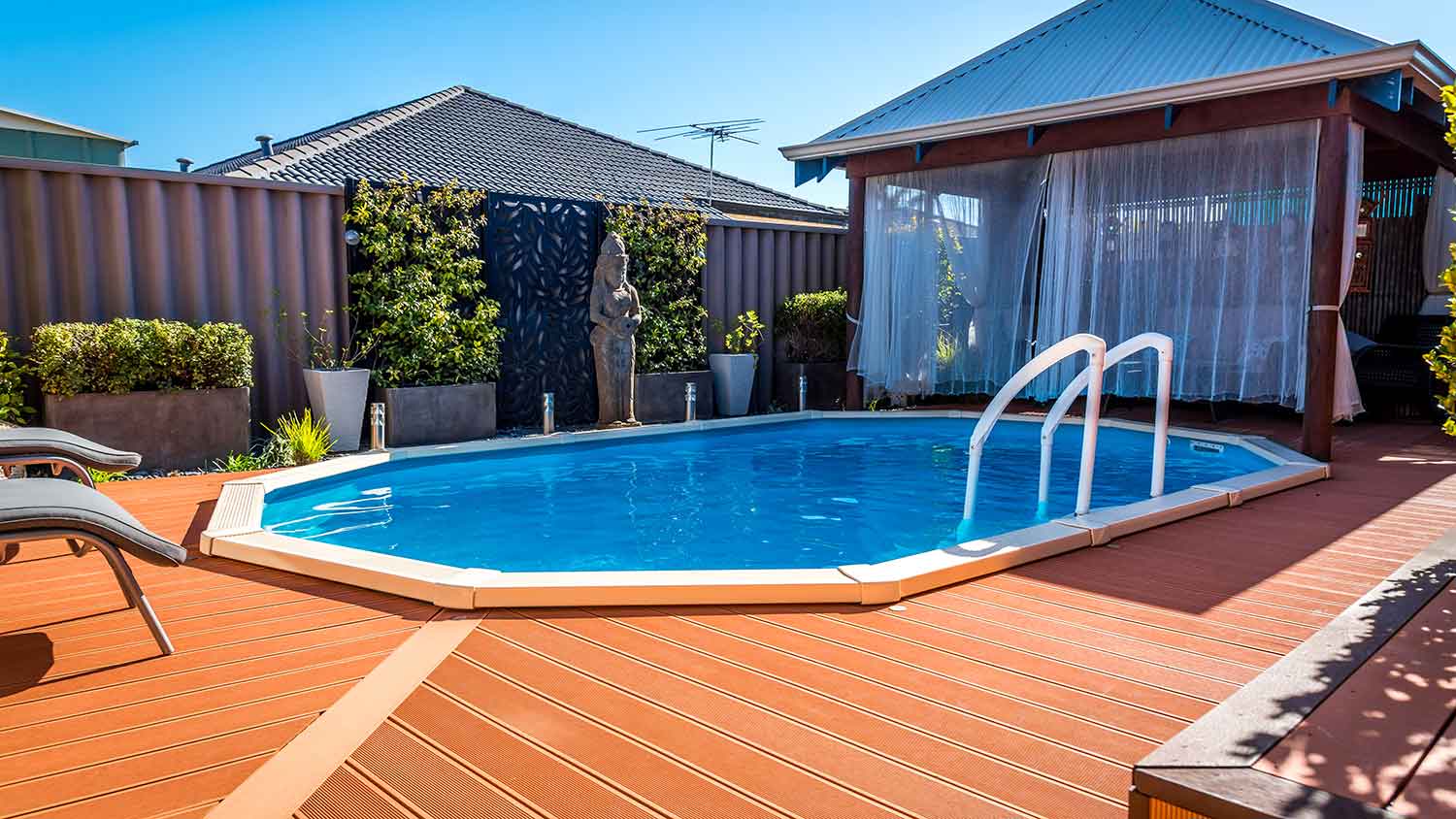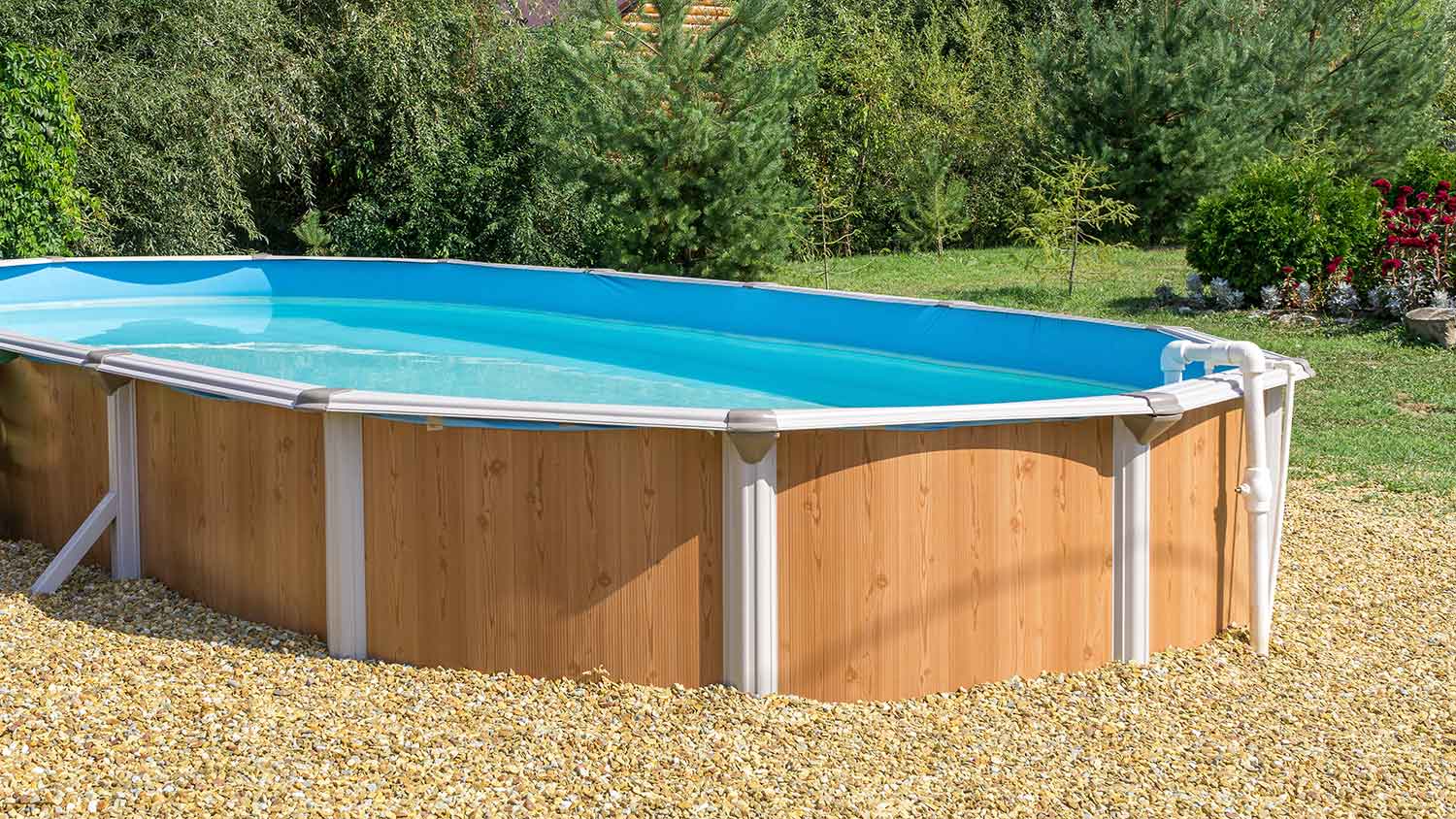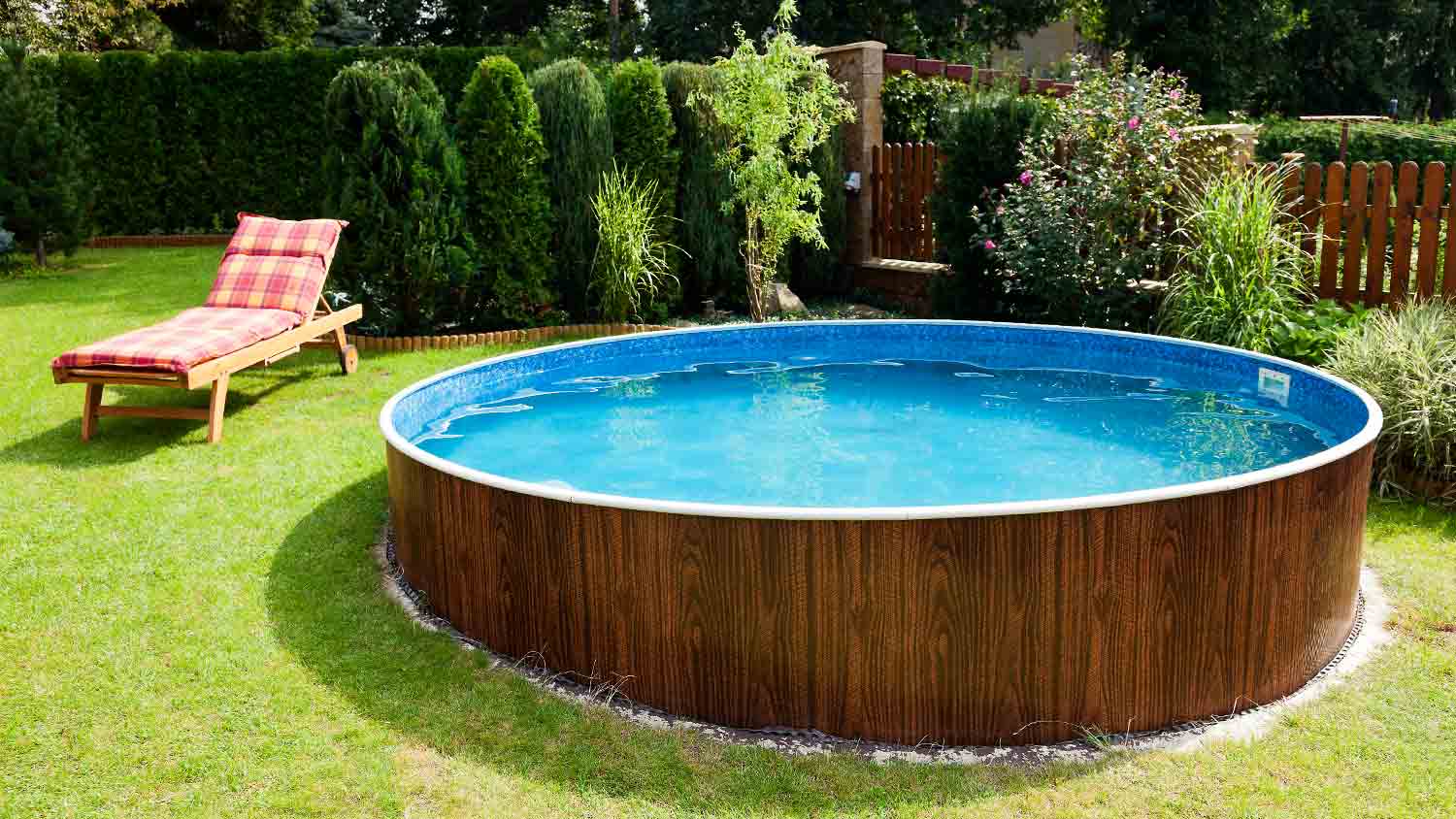






Top-rated above ground pool installation pros.

Get matched with top above ground pool installation pros in Ashfield, MA

Enter your zip and get matched with up to 5 pros

Need a pro for your above ground pool installation project in Ashfield, MA?

Select your specific project to find the pro for you.

Find Above ground pool installation pros in Ashfield

Install Above Ground Pools questions, answered by experts

Completely refreshing the water in an aboveground pool every five to seven years helps keep it free of bacteria and algae. Emptying the pool also allows you to clean, repair, or replace the pool liner. Schedule your water change when the weather is mild, as intense heat or cold can damage the pool liner when the pool is empty.

The most expensive part of building a pool is typically the excavation and labor, which can account for 25% to 50% of the total project cost. This is particularly true for inground pools that require significant excavation, potentially including the rental of large equipment, and extensive construction labor. In contrast, above-ground pools are generally less expensive as they typically do not require excavation and can be installed much more quickly. Concrete in-ground pools are among the most labor-intensive options.

Coping is the material that lines the perimeter of a pool and seals the transition between the top of the pool wall and the water. Decking surrounds the poolscape and extends far beyond the water's edge to provide a safe walking and lounging area. In short, coping is the border between the decking and the pool itself.

In combination with adequate filtering and water chemical balance, vacuuming will keep your pool from being overrun with algae. If your pool is experiencing algae growth, the same combination will get rid of it with a bit of patience. Heavy algae growth may require the use of an algaecide, and in some cases, you’ll want to vacuum the pool 24 to 48 hours after using algaecide to remove dead algae debris.

The best way to dissolve algae is to use pool shock. The shock increases the free chlorine levels in your pool, which in turn kills bacteria, microorganisms, and algae. You can opt for granulated shock that you mix with water or a premixed liquid shock.

Keep in mind that using pool shock is just one of the steps you need to take to get rid of algae from your pool. Unless you also brush, vacuum, and clean the filter, your algae problem may return.

The Ashfield, MA homeowners’ guide to above ground pool installation services

From average costs to expert advice, get all the answers you need to get your job done.