




Top-rated lead testing and removal specialists.

Get matched with top lead testing and removal specialists in Hampden, MA

Enter your zip and get matched with up to 5 pros

Need a pro for your lead testing and removal project in Hampden, MA?

Select your specific project to find the pro for you.

Find Lead testing and removal specialists in Hampden

Avatar for Atner Group, LLC
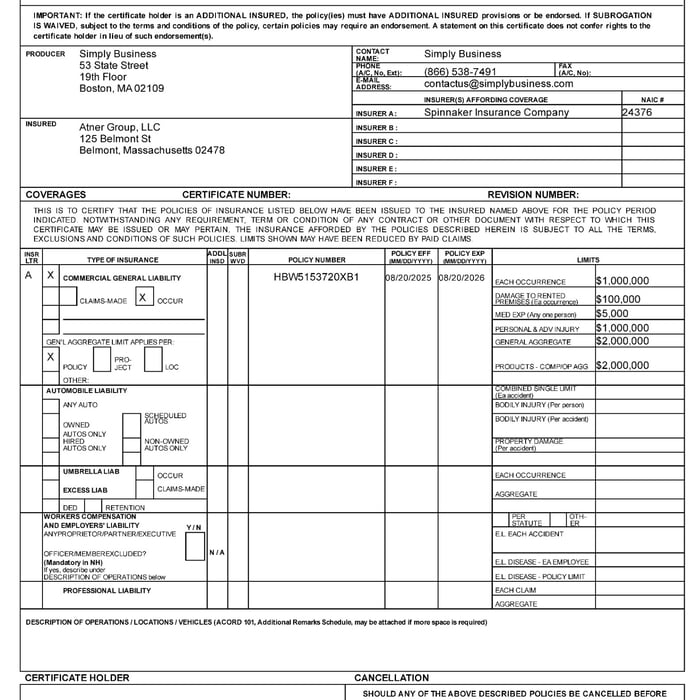
Atner Group, LLC
5.0(
5
)
Toxic Lead - Abatement

Serving Hampden, MA and surrounding areas

Approved

In business since 2023

Free estimates

Emergency services offered

"Peter was great to work with and I’d highly recommend him. He was professional, a good communicator, and accommodating as changes came up to our project and helped to find solutions to unblock our lead remediation work alongside our home renovation happening at the same time."
Exterior Multi-Family
Liability Insurance

+17

3 neighbors recently requested a quote
VZN Lead Abatement LLC
New to Angi
Toxic Lead - Abatement

Serving Hampden, MA and surrounding areas

In business since 2014

Free estimates

Offers commercial services

iVZN Lead Abatement LLC is committed to excellence in every aspect of our business. We uphold a\nstandard of integrity bound by fairness, honesty and personal responsibility. Our distinction is\nthe quality of service we bring to our customers. Accurate knowledge of our trade combined\nwith ability is what makes us true professionals. Above all, we are watchful of our customer's\ninterests, and make their concerns the basis of our business.

Lead Testing and Removal questions, answered by experts

According to the Environmental Protection Agency (EPA), hazardous waste is generally classified into four main categories:

1. Characteristic Wastes: These exhibit at least one of four hazardous traits: ignitability (flammable, like gasoline), corrosivity (can rust or decompose materials, like car batteries), reactivity (unstable and can explode, like aerosol cans), or toxicity (harmful when ingested, like lead-based paint).

2. Listed Wastes: These are specific wastes from manufacturing and industrial processes that the EPA has officially designated as hazardous. They include byproducts from processes that use solvents, pesticides, and other chemicals.

3. Universal Wastes: These are commonly generated hazardous items that are subject to streamlined regulations. Examples include batteries, pesticides, mercury-containing equipment (e.g., bulbs), and some lamps.

4. Mixed Wastes: This category includes waste that contains both hazardous and radioactive components, making it subject to regulation by both the EPA and the Nuclear Regulatory Commission.

Unfortunately, lead dust does not look different from any other type of dust. You cannot detect it with the naked eye. To determine if you have lead dust in your home, you will need to hire a local company to take a sample from the paint and test it for you in a lab.

No, a standard home inspection includes the basics and does not offer lead paint testing. Professional lead paint inspectors need specific licenses to perform these inspections, which not all home inspectors have. If you suspect lead paint in the home you are about to purchase, you will need to pay separately to have that done. If the findings come back positive, you may be able to negotiate with the buyer to cover the cost of the removal.

DIY kits are available for basic air quality testing, but professional services provide more comprehensive results and recommendations. While a DIY kit may seem cost-effective, a professional assessment is more thorough. Inspectors are better equipped to catch all pollutants and hazards, and you'll still need a professional to verify and act on DIY test results. Furthermore, some kits don't test for certain pollutants or only detect their presence without measuring specific levels (like mold spores). It's generally better to opt for a detailed professional assessment.

Structural problems with the foundation or roof, water damage, and significant plumbing or electrical issues are all considered major red flags in a home inspection. Of these, a structural problem related to the foundation is often the most severe. Foundation repairs are typically the most expensive and intrusive to carry out, averaging around $5,000 but sometimes reaching up to $16,000. Because these problems can pose safety risks and be costly to fix, you should ask your inspector detailed questions about any identified issues. You will need to carefully consider how major problems affect what you’re willing to pay for the home, or if you want to proceed with the sale at all.

The Hampden, MA homeowners’ guide to lead testing and removal services

From average costs to expert advice, get all the answers you need to get your job done.