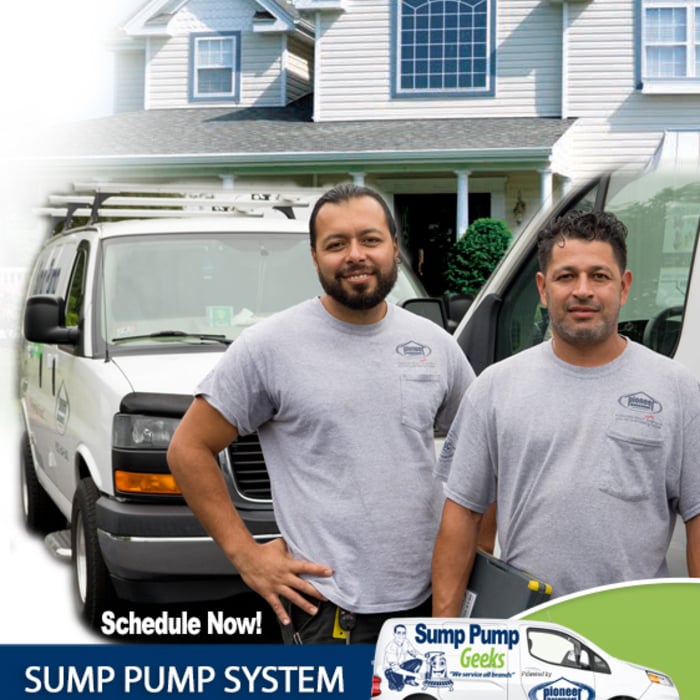
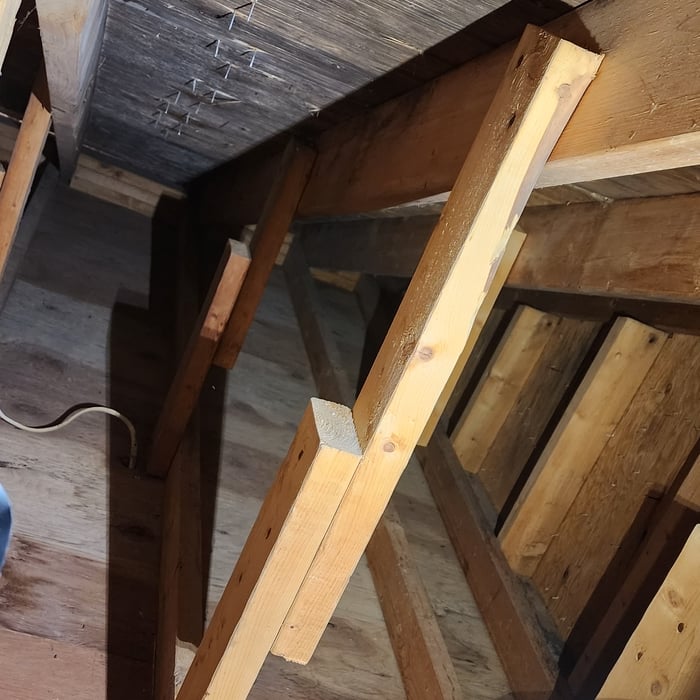
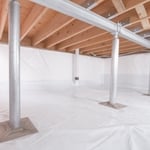
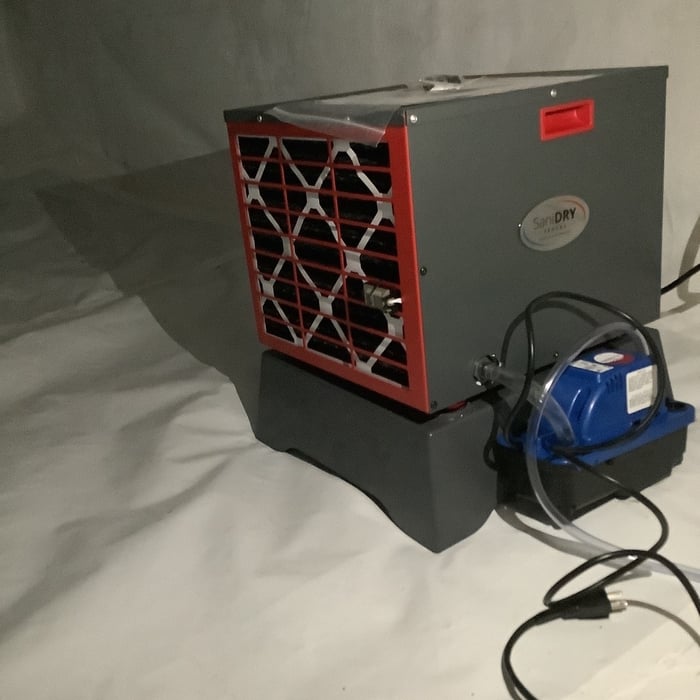
"They advice, and had all our questions answered on sensible and affordable options. Very knowledgeable, prompt, polite, efficient, and thorough team! We are happy with their waterproofing services in our basement (fast sump pump and a grate trench with a discharge line that goes 15 feet to the outside bubbler) as well as crawl space shield installed under our addition. It works well, and Pioneer checked a month later and a year after for inspection and cleaning. A+ work and workers."
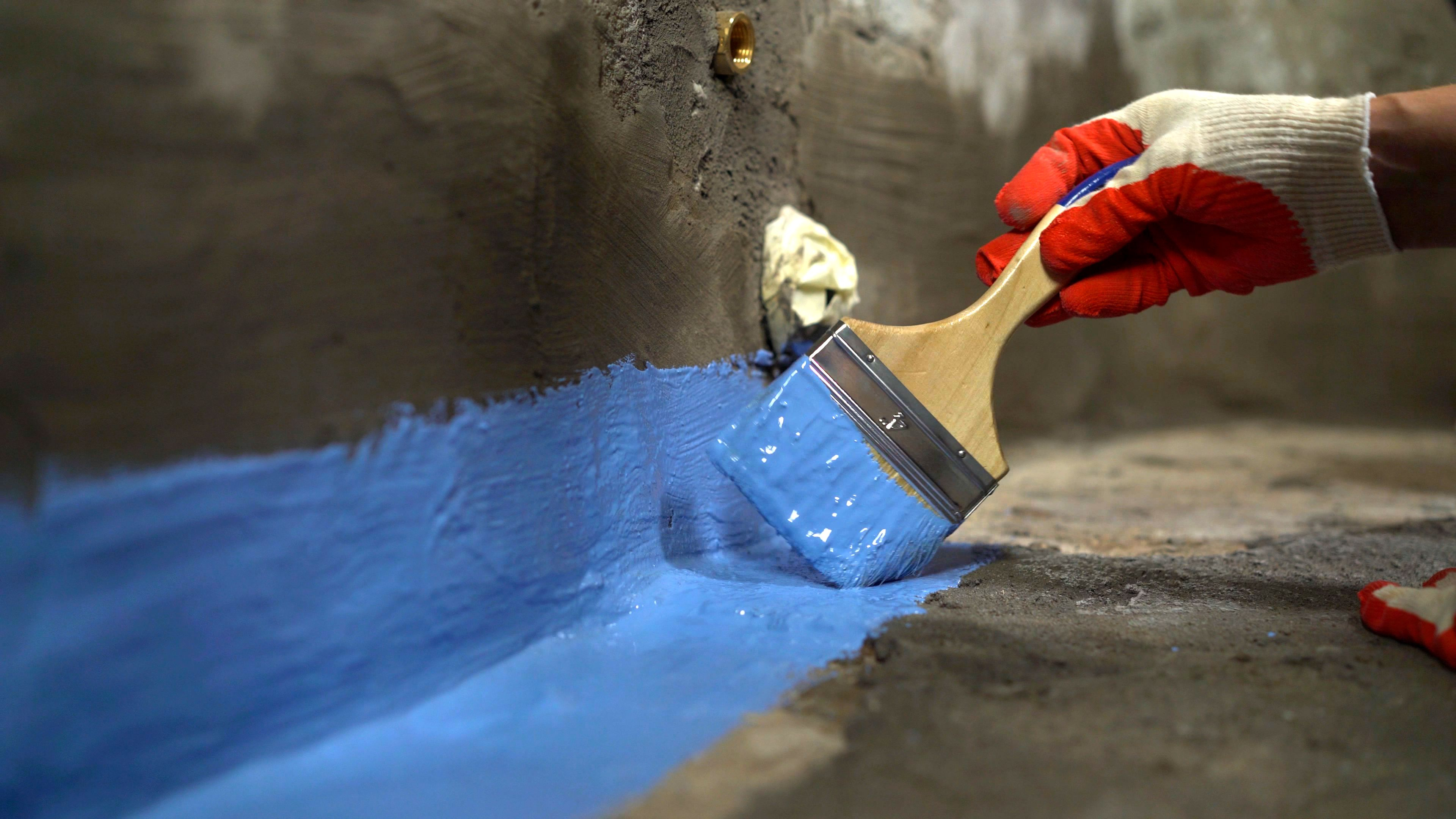
"Recently needed some waterproofing work done in my basement, proceeded to look up 3-4 different companies thet did basement water proofing work decided to go with Key Waterproofing and it was a "GREAT CHOICE"!!! Was notified as to when the job was to be done, 3 great guys showed up,right on time, went right to work installing a Sump-Pump in our basement floor to takecare of our water problems. They did neat, high quality work everything was cleaned up with a "job that was well done". "Very satisfied" would highly recommend Key Waterproofing for all your waterproofing needs!!!!!!!"
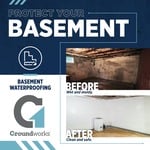
"Just finished a visit with Foreman Doug and his crew, Devin, Sean, and Mason. Waterproofing the basement and super sound and solid work! Doug was professional and very good at keeping me in the loop with the project over the 3 day visit, and created a solid system that we are confident will keep water out of the basement forever. Above and beyond as well with problem solving when having to find solutions to fit our basement layout, all with a solid financing option/great price and 5 year warranty/ yearly inspection plan. If you are stuck with water in your basement, get Groundworks working for you ASAP!"
"We hired Leal Restoration to clean up water damage on three floors of our house. They came early on a Saturday morning, worked all weekend and finished the job on Monday. This included drying out the area, removing debris, and replacing a ceiling. The work was done efficiently and carefully. Leal turned a disaster area into a clean and back to normal living space in 3 days. Amazing!"
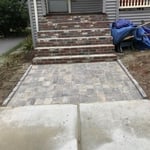
"Took waaaay to long. 6 months, albeit, we started in late November but it was the nicest winter in history. Promise was late February for completion. I finally conceded in June that they had finally met all contractual obligations. There were several reasons it took so long from my point of view: not showing up when they say they are, poor workmanship requiring lots of rework (all caught by me, not the so called Project Manager), no dedicated project manager, unclear instructions/requirements flowed down to the contractors sent to do the work, company too focused on the next jobs instead of completing this one, etc..I could go on and on...Damaged my driveway and blamed the driveway even though I asked upfront if there would be any harm to it. "No we do this all the time" was the response. Damaged my neighbors lawn and I'm still fixing that. Overall, a bad experience. I'd rate them a "D" but they did eventually fix most of the quality problems. The rest I have, or will take care of. Cutting the ties with this contractor. Would not recommend."
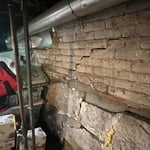
"Ben was amazing. He came out to look at the corner of the fieldstone basement wall that I was worried about. He explained to me that it wasn't a structural issue but rather cosmetic. He said his services weren't absolutely necessary but he could waterproof the area and solidify the older pointing. He was honest and wonderful. He did perform the job and I am extremely happy with the results. I will hire him again and recommend him to my friends."
"Zach Brown initially came to fix leaking water situation and then realized there was damage due to water seepage. After that damage is repaired, Zach will return to put plumbing back in order, including replacing faucets which had to be cut out to allow removal of granite countertop, reconnect water lines and possibly reinstall a new Reverse Osmosis system since the old one had to be removed. Can't say enough about Zach -- his professionalism, his explanation of what's being done and options for replacing/improving plumbing under kitchen sink, pipes, etc."
"There was contact from them prior to the appointment and the guys called within 30 minutes when they were to arrive. They replaced our boiler in one day and the second day was to install a Modean heater in basement. The guys were great, very knowledgeable, cleaned up the space very well, and took away the old boiler. The only hiccup was they received an incorrect part for the outdoor sensor; they needed to come back to install it. I was disappointed only when I had to call 10 days later to see when they could come back and put it in. The part must have arrived, because they scheduled us right away (to be installed in a few days). No clue as to why we weren't called when the part arrived to finish the job, but I would still recommend them."
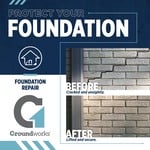
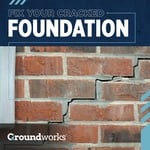
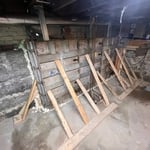
"Patrick came out to fix my foundation in the basement. His quote was more the fair and the work he did was excellent. He was prompt, responsive and thorough. The foundation looks good as new! I will be calling again when I need a mason!"
Basement Waterproofing questions, answered by experts
Yes, a crawl space can add value to your home. However, there is a higher chance of it adding value if it is an enclosed crawl space, as this reduces issues caused by excess moisture in the home. That being said, a basement does add more value than a crawl space.
Damp proofing and waterproofing are both methods to help keep your basement dry. Damp proofing keeps soil moisture from entering your basement, which is helpful since your basement is underground. Waterproofing, however, keeps both soil moisture and liquid water out of the basement, which is essential, especially if you live in a wet environment. Because it’s more protective, waterproofing typically costs more than damp proofing.
No, everything doesn’t get wet if the bathroom is well-designed and the fixtures are properly installed. It’s important that the floor of a wet room drains correctly, and proper waterproofing and slip-resistant flooring are used to avoid creating slipping hazards. Since the shower isn’t housed in an enclosed space, you’ll need to make sure the towel rack and toilet paper holder are placed in areas where they won’t get wet.
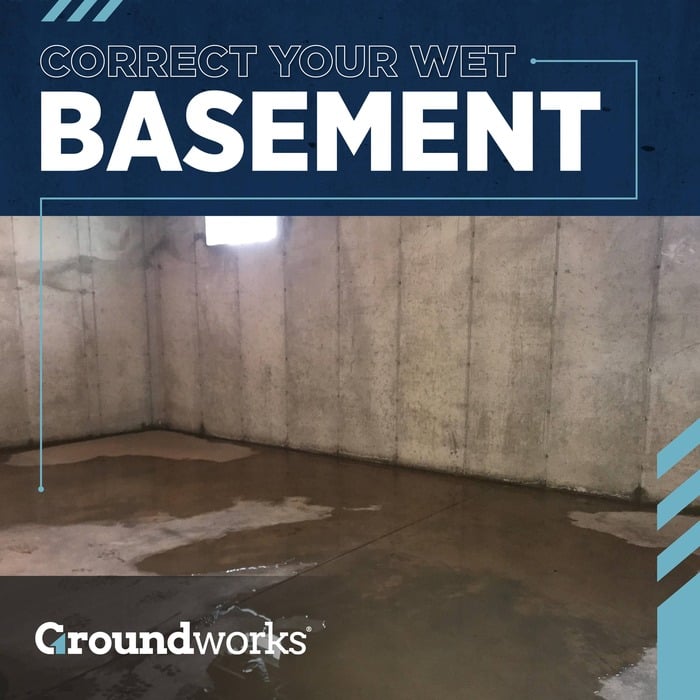
If your basement often leaks after heavy rain, it’s probably caused by hydrostatic pressure. When the ground is saturated with water, it can put pressure on the exterior of your home’s foundation, causing cracks in the basement wall and pushing water through any existing weak spots. Over time, hydrostatic pressure can cause structural damage to your home.
If there is standing liquid on your concrete, remove it before attempting any of the above cleaning methods. For small amounts of water, use rags, a bucket, and a mop. For larger areas of liquid, lay down cat litter or baking soda to soak up the water first. If you have extremely large pools of water sitting on your concrete, break out the wet vac and get to work.
The Georgetown, MA homeowners’ guide to basement waterproofing services
From average costs to expert advice, get all the answers you need to get your job done.
Need to fix basement water problems or safeguard your home in Boston, MA from damage in the future? Use this basement waterproofing cost guide to budget appropriately.
A variety of factors can affect your total crawl space encapsulation cost in Boston, MA. Here’s a breakdown of the cost of this project, whether you hire a pro or DIY.
Dealing with a damp basement? Follow these steps for DIY basement waterproofing to keep water and moisture out and boost your home’s energy efficiency.
Can’t seem to get rid of the moisture and mold in your basement? Learn why basements tend to hold moisture and how to get rid of moisture in the basement.