



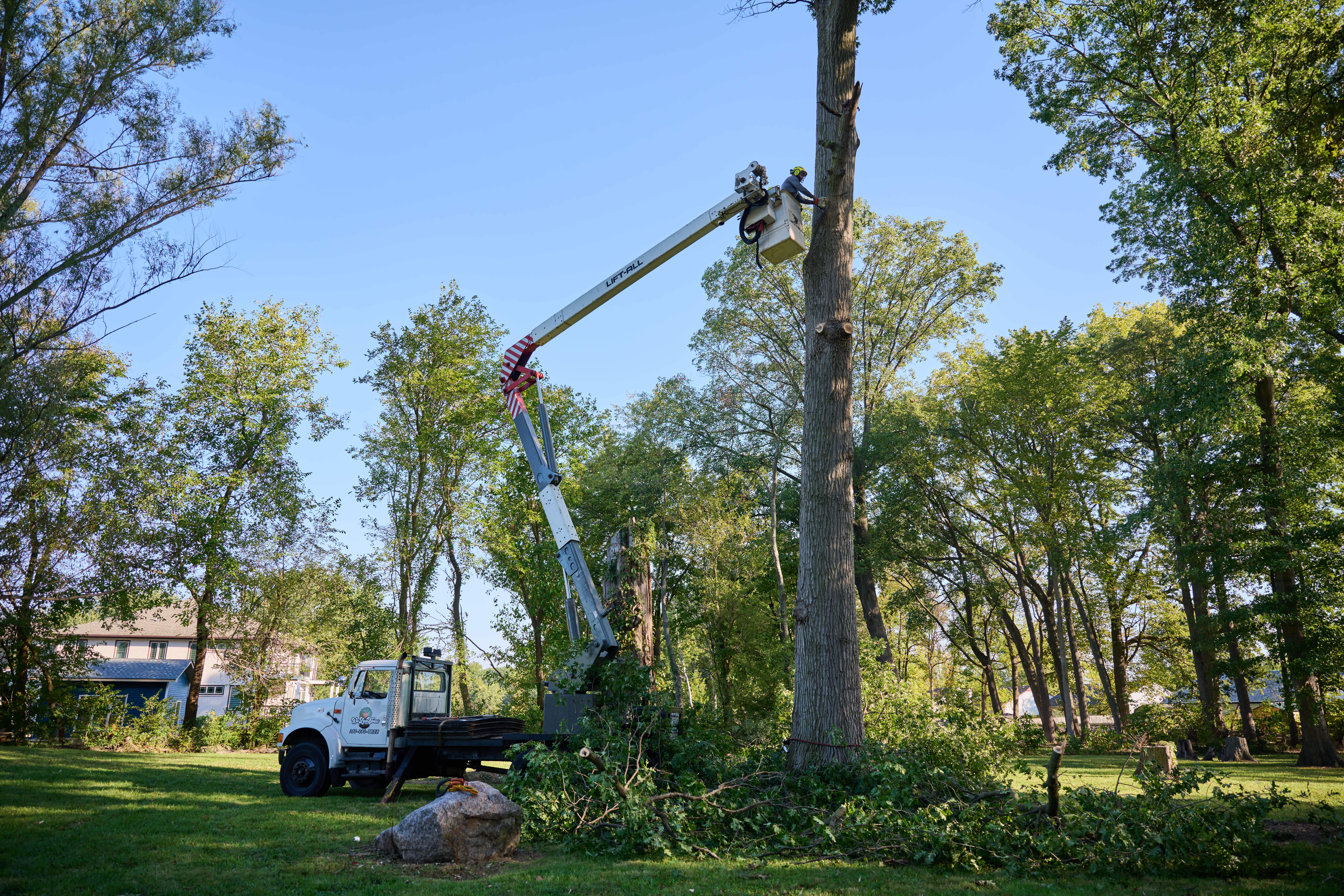
Top-rated brush chipping pros.

Get matched with top brush chipping pros in Douglas, MA

Enter your zip and get matched with up to 5 pros

Need a pro for your brush chipping project in Douglas, MA?

Select your specific project to find the pro for you.

TRUSTED BY DOUGLAS, MA HOMEOWNERS

  • Average homeowner rating star icon4.5
    Average homeowner rating
  • Verified reviews icon425
    Verified brush chipping services reviews

Find Brush chipping pros in Douglas

No results for Brush chipping pro in

Try adjusting your search criteria.
Brush Chipping questions, answered by experts

While a rented dumpster can handle a wide variety of materials, there are significant restrictions on what is allowed. Generally, you can dispose of most non-hazardous household junk, yard waste, and construction debris.

Accepted items typically include:

  • Furniture, carpets, old linens, and toys

  • Wood and yard debris

  • Small appliances and excess trash

  • Renovation waste like old finishes, building debris, and roofing materials (unless they contain lead paint or asbestos)

However, you cannot put toxic, flammable, or hazardous materials in a dumpster. Prohibited items almost always include:

  • Paint, gasoline, oil, and other fuels

  • Household cleaners and other chemicals

  • Electronics, batteries, and tires

  • Refrigerators, hot water tanks, and medical waste

Since regulations can vary by location and company, it is essential to check with your dumpster rental provider for their specific list of accepted and prohibited items before you begin.

Trimming or removing trees promotes safety, prevents interference with structures or utilities, and enhances the aesthetic and health of the property landscape.

If you want to remove a bush that’s located on top of utility lines, you’ll need to call your local utility company to determine the best course of action. If you can’t dig out your stump its roots, cutting a bush off at ground level might be the best you can do. Adding a planter over top of the cut branch or planting something else around the stump can cover the area while the stump decomposes.

The most common alternative is burning the stump first, then dealing with the cinders and ashes. As you can imagine, this option creates fire hazards, especially since roots can burn underground, hidden, for long afterward. That’s why many states and cities have outlawed the use of stump burning entirely. We do not recommend this option as a viable alternative unless you get a permit from the local fire department and practice all safe burning procedures.

Others prefer a more long-term DIY approach of degrading the stump with home mixtures like Epsom salt and vinegar injected directly into it. This may help the stump decay faster, allowing homeowners to dig it out themselves, but it’s still a lengthy process. It usually takes months for a stump to start falling apart with such treatments, and in the meantime, it can be vulnerable to rot, insects, and other problems.

You can leave grass clippings on the lawn, depending on their length. You don’t want to completely cover new grass and block it from sunlight, or encourage moss crowd out the more delicate grass. However, short clippings are usually fine to leave on the lawn. In some cases, they can be beneficial: Clippings can be a source of fertilizer and help protect the ground as young grass blades develop.

The Douglas, MA homeowners’ guide to brush chipping services

From average costs to expert advice, get all the answers you need to get your job done.