

Top-rated generator install pros.

Get matched with top generator install pros in Ashfield, MA

Enter your zip and get matched with up to 5 pros

Need a pro for your generator install project in Ashfield, MA?

Select your specific project to find the pro for you.

Find Generator install pros in Ashfield

Avatar for Andrus Power Solutions
Andrus Power Solutions
New to Angi
Fixed Generator - InstallGenerator - Install - For Business

Serving Ashfield, MA and surrounding areas

Approved

In business since 1991

Free estimates

Emergency services offered

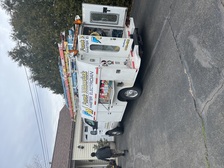
At Andrus Power Solutions, we provide expert sales, installation, and service of Generac home standby generators across Massachusetts and parts of New York and Connecticut. As a fully licensed and insured, family-owned business, we pride ourselves on delivering reliable power solutions with exceptional customer care. Whether you're looking for whole-home backup, annual maintenance, or emergency support, our team is here to help ? and now offering 0% financing for 25 months. Power on, worries off.

Generator Repair
Response time6 days
6 neighbors recently requested a quote
Showing 1-10 of 29
Generator Install questions, answered by experts

Yes, natural gas generators can work without electricity. Natural gas generators are a common type of backup or whole-house generator that operates when the electrical grid isn’t working. The trick is using a transfer switch (which usually needs to be installed with the generator) that safely switches the home electrical system from the power grid to generator power when needed.

The amount of time a standby generator can run continuously is around 3,000 hours on average. However, standby generators can generally run indefinitely as long as they have a continuous fuel supply. Generators hooked up to a home’s natural gas supply are the best option for extended usage, as these won’t rely on a finite fuel supply based on how much you have in storage. Generators running on liquid propane or diesel won’t last as long, as these require fuel storage and regular refueling to stay running.

Sizing a generator is a careful process that requires calculating the electrical load of your entire house. You have to take into account every device you want to use and their wattage requirements, plus the wattage needed to start them, and look for a generator that can safely run all that at around 80% capacity.

In more practical terms, a small home can run on a 10,000-watt generator (and if you only want to power a few key appliances, much less than that). A mid-sized home may need something between 15,000 and 22,000 watts. Larger homes require 25,000 watts or more. 

Yes. You can connect your home back-up battery to a generator with its designated charger. Be sure that the output of the generator matches the input requirements for the battery for best results.

Generators are usually sized by running watts and starting watts. Ideally, you’ll want a generator that can offer both the necessary running watts and starting watts for everything you need to power without going beyond 90% of its capacity. Calculate your home’s electrical load based on the breakers in your home or adding up the appliance and lighting needs of connected rooms.

The Ashfield, MA homeowners’ guide to generator installs

From average costs to expert advice, get all the answers you need to get your job done.