


Top-rated radon detection and reduction specialists.

Get matched with top radon detection and reduction specialists in Washington, LA

Enter your zip and get matched with up to 5 pros

Need a pro for your radon detection and reduction project in Washington, LA?

Select your specific project to find the pro for you.

Find Radon detection and reduction specialists in Washington

Avatar for Spaulding Decon
Spaulding Decon
5.0(
1
)
Radon Gas - AbatementRadon Gas - Testing

Serving Washington, LA and surrounding areas

In business since 2005

Free estimates

Emergency services offered

We provide professional services such as: biohazard, hoarding, water damage, thorough mold remediation, drug use/lab, and crime scene clean up services to the whole of Louisiana and nationwide.\n\nOur team is committed to providing efficient, discreet, and empathetic services tailored to each unique situation. Whether you're dealing with an urgent clean up need or seeking reliable restoration services, we're here to ensure a safe and healthy environment.


Radon Detection and Reduction questions, answered by experts

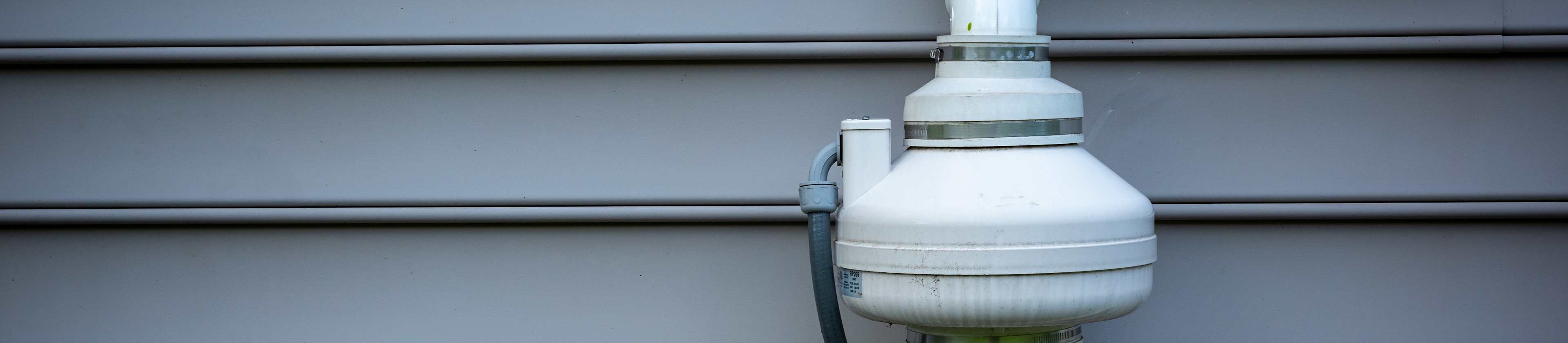
Your radon fan needs to operate 24/7 to be effective. The only time the fan isn't operating is during its replacement. Radon levels in the home can increase within hours if the fan stops working or something obstructs the stack vent. Fortunately, radon systems require no downtime maintenance between fan changes.

Installation typically takes 1-2 days, depending on the system and property layout.

Mitigation can take several days depending on home setup, equipment accessibility, and achieving effective diffusion system sealed efficiency.

No, air purifiers are not an effective way to reduce or remove radon. Radon is a radioactive, inert gas that cannot be filtered by standard air purifiers, which are designed to capture particulates like dust and mold. While an air purifier can improve indoor air quality by removing other pollutants, it should not be relied upon for radon. The only effective solution for high radon levels is a dedicated radon mitigation system.

You'll need to test your home for radon after installing the mitigation system, then again every two years. If radon remains elevated, contact a licensed radon professional, either the contractor who installed the system or a different one, and have them evaluate the system. They may need to make some changes to improve its effectiveness and performance.

The Washington, LA homeowners’ guide to radon detection and reduction services

From average costs to expert advice, get all the answers you need to get your job done.


