




Top-rated fire pit installation pros.

Get matched with top fire pit installation pros in Ventress, LA

Enter your zip and get matched with up to 5 pros

Need a pro for your fire pit installation project in Ventress, LA?

Select your specific project to find the pro for you.

Find Fire pit installation pros in Ventress

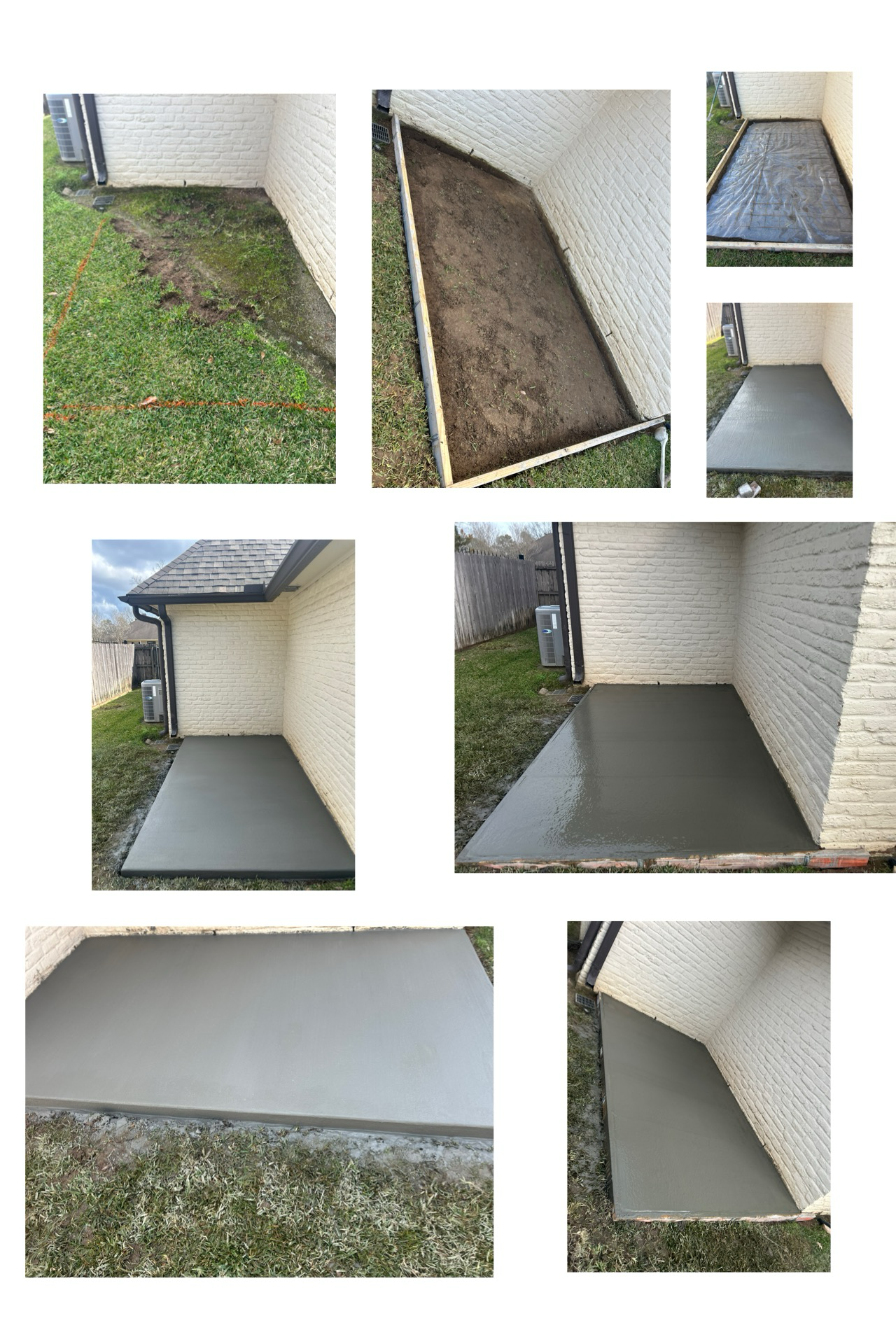
GC Property Restoration
New to Angi
Handyman for Multiple Small Projects

Serving Ventress, LA and surrounding areas

Approved

Emergency services offered

Small jobs welcome

Credit card accepted

Hi, my name is Braden Cazes, owner of GC Property Restoration. We are a locally owned company dedicated to providing reliable, high-quality restoration and property improvement services. We take pride in honest communication, attention to detail, and making sure every job is completed the right way.\n\nAt GC Property Restoration, customer satisfaction is our top priority. Whether it’s repairs, renovations, restoration work, or general property improvements, we work hard to deliver professional results at a fair price. We appreciate every opportunity to earn our customers’ trust and look forward to helping bring your project to life.

...
Showing 1-10 of 114
Fire Pit Installation questions, answered by experts

Attics often contain a mix of insulation, electrical wiring, and other materials that can pose fire risks. That’s why furnaces should be installed in the attic with proper insulation and clearance from combustible materials. Additionally, the furnace should be equipped with proper ventilation and heat shields to prevent the buildup of excessive heat in the attic space. Regular inspections and maintenance are also crucial to identify and address any potential fire hazards.

Generally, an oil furnace is considered safer than a gas furnace for several reasons. While both types of furnaces can produce carbon monoxide, a leak in an oil furnace is easier to detect due to the smell. Oil furnaces also don't connect to a gas pipeline, which reduces the chance of a fuel leak. Most importantly, heating oil is not combustible, whereas natural gas is highly flammable. This means there is a much lower risk of combustion or explosion with an oil furnace. However, an oil furnace can still pose a fire hazard if it tips over.

Yes. Not only do gas stoves present the risk of a gas leak, but cooking with gas produces twice as much harmful particulate matter. According to Columbia University’s Climate School, gas stoves can also release formaldehyde, a known human carcinogen, and carbon monoxide, which can be toxic in high concentrations.

Costs range from $500 to $5,000, depending on fire alarms, sprinklers, and safety equipment.

Yes, it’s worth capping a chimney. Here are several reasons to install a chimney cap:

  • Keep out rain, snow, wildlife, and other debris

  • Help prevent chimney fires

  • Reduce your chimney’s exposure to moisture

  • Maintain your chimney flue liner

  • Help reduce energy bills by helping regulate your home’s temperature

The Ventress, LA homeowners’ guide to fire pit installation services

From average costs to expert advice, get all the answers you need to get your job done.