Top-rated asbestos removal specialists.

Best asbestos removal specialists near Springhill, LA

Enter your zip and get matched with up to 5 pros

Need a pro for your asbestos abatement project in Springhill, LA?

Select your specific project to find the pro for you.

Top-Rated Asbestos removal specialists in Springhill - Updated Nov 2026

Avatar for Apex Environmental Solutions LLC
Apex Environmental Solutions LLC
5.0(
5
)
Asbestos - Abatement

Serving Springhill, LA and surrounding areas

In business since 2024

Free estimates

Emergency services offered

"Prompt response and very knowledgeable in the industry. Assisted with testing in our home. Brad was great to work with. Would hire again and will recommend to others."
Mold Remediation
Mold Remediation
Mold Remediation
Mold Remediation
Mold Remediation

+10

Response time8 hrs
Response rate85%
Recommended by40%of homeowners
Asbestos Removal FAQs, answered by experts

According to the Environmental Protection Agency (EPA), hazardous waste is generally classified into four main categories:

1. Characteristic Wastes: These exhibit at least one of four hazardous traits: ignitability (flammable, like gasoline), corrosivity (can rust or decompose materials, like car batteries), reactivity (unstable and can explode, like aerosol cans), or toxicity (harmful when ingested, like lead-based paint).

2. Listed Wastes: These are specific wastes from manufacturing and industrial processes that the EPA has officially designated as hazardous. They include byproducts from processes that use solvents, pesticides, and other chemicals.

3. Universal Wastes: These are commonly generated hazardous items that are subject to streamlined regulations. Examples include batteries, pesticides, mercury-containing equipment (e.g., bulbs), and some lamps.

4. Mixed Wastes: This category includes waste that contains both hazardous and radioactive components, making it subject to regulation by both the EPA and the Nuclear Regulatory Commission.


Most manufacturers stopped putting asbestos in linoleum before 1980 due to public concerns about its toxicity. However, the Environmental Protection Agency (EPA) didn’t ban asbestos-containing products until 1989, and a comprehensive ban was not announced until 2024. This means that homes built after 1989 may still have asbestos in their flooring.

You are not really supposed to seal asbestos with paint, but in theory it could work—the caveat being that this is extremely dangerous and should be avoided at all costs. The only real way to seal asbestos is with the professional application of an encapsulating material like epoxy. Due to the negative effect asbestos can have on your home, however, it is usually the best course of action to accept a costly fix and remove the material entirely.

If the tiles are undamaged and in good condition, painting can be a safe method of encapsulating them, but it is important first to evaluate the state of the tiles before proceeding. If the tiles are deteriorating, damaged, or already loose, simply painting over them fails to address the underlying issues that can cause asbestos exposure. It is recommended to consult asbestos abatement experts in such situations to identify the best way to safely manage or remove the asbestos-containing materials. During the painting process, it is crucial to adhere to safety regulations and guidelines to reduce the potential health risks associated with asbestos exposure.

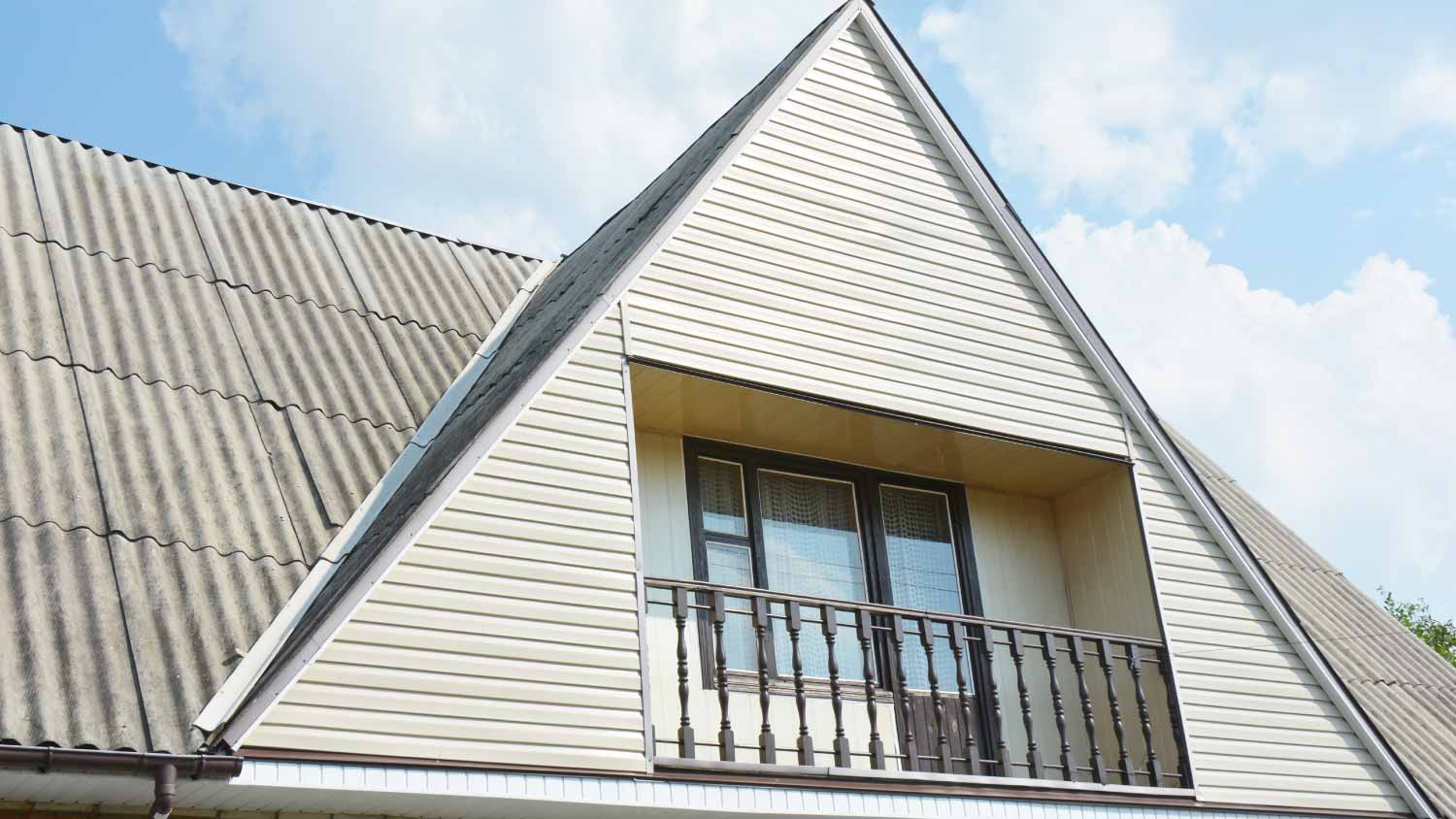
Since the EPA partially banned asbestos in 1989, it is no longer used to manufacture new siding in the United States; production had largely ceased by the early 1980s. Many other countries, such as Canada, Iceland, and Denmark, also have bans on asbestos. However, asbestos siding is still present in many homes built before the late 1980s. The only definitive way to know if your siding contains asbestos is to have it professionally lab-tested.

The Springhill, LA homeowners’ guide to asbestos removal services

From average costs to expert advice, get all the answers you need to get your job done.