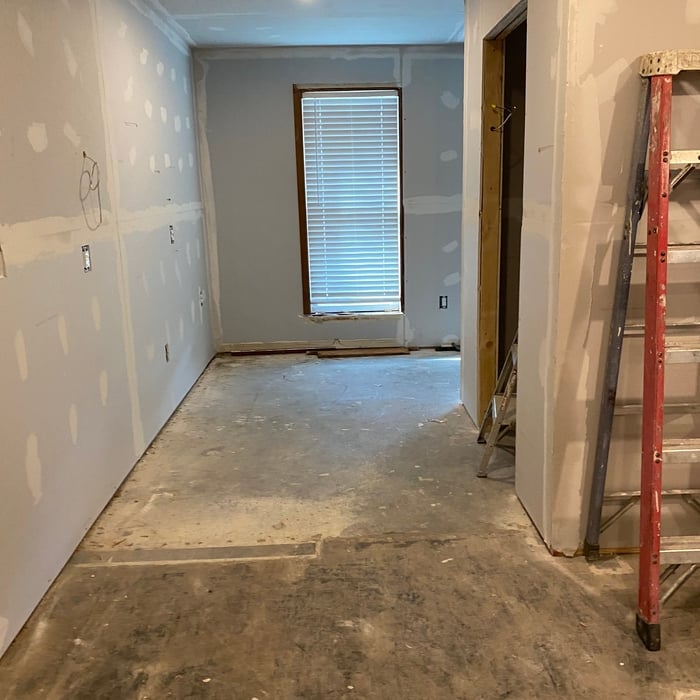








"We couldn't be happier with the work done by this handyman team. They are repaired a hole in our ceiling flawlessly leaving it looking brand new. Their professionalism, promptness , and quality of work. Truly stood out. They were courteous and cleaned up after themselves and explained every step of the process. Highly recommend this team for any home repairs you wont be doissapointed!"
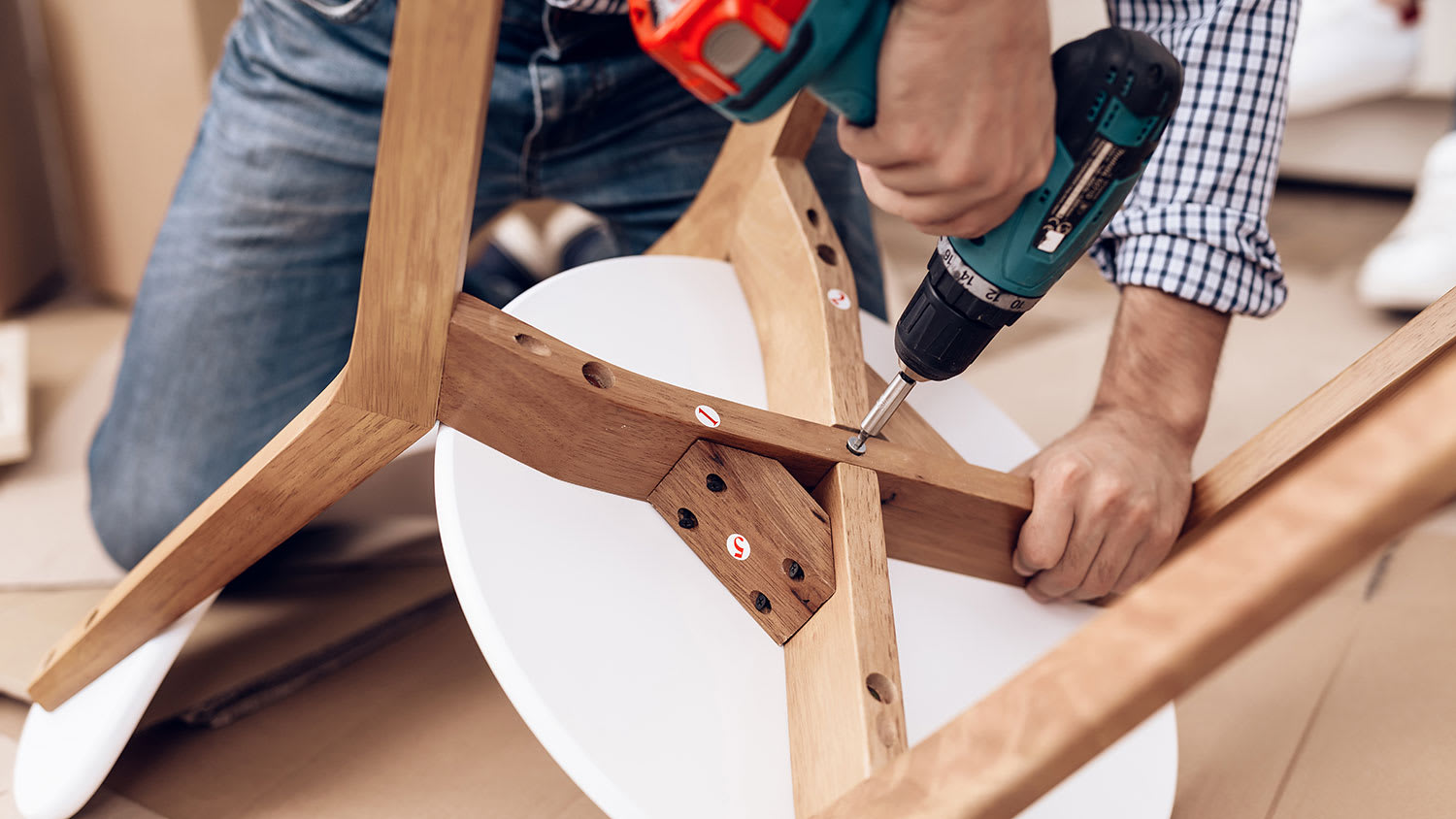
B&B Handymen LLc is local owned company with 30 year experience. We can do bathroom fixture installs, repair fences and decks, install handrails, assemble furnishings, hang televisions and much more.
Good day, I am a 52 year old that has been in retail management for 30 years. I am the Operations Manager of a large home improvement company for 16 years. I am looking to make sum extra income. I am very handy with most house hold repairs, toilets, curtains, blinds, ECT.
A contractor specializes in a specific field. They often operate in teams where they have subcontractors to handle specialized problems. So if you have significant plumbing, drywall, or roofing issues, you’ll want to hire a contractor, as the job may require a team.
A handyperson is typically one person who works on whatever jobs come their way. You wouldn’t call a contractor to fix the hinges on cabinets or paint your room. Instead, a handyperson can handle all these issues, saving you from making multiple phone calls.
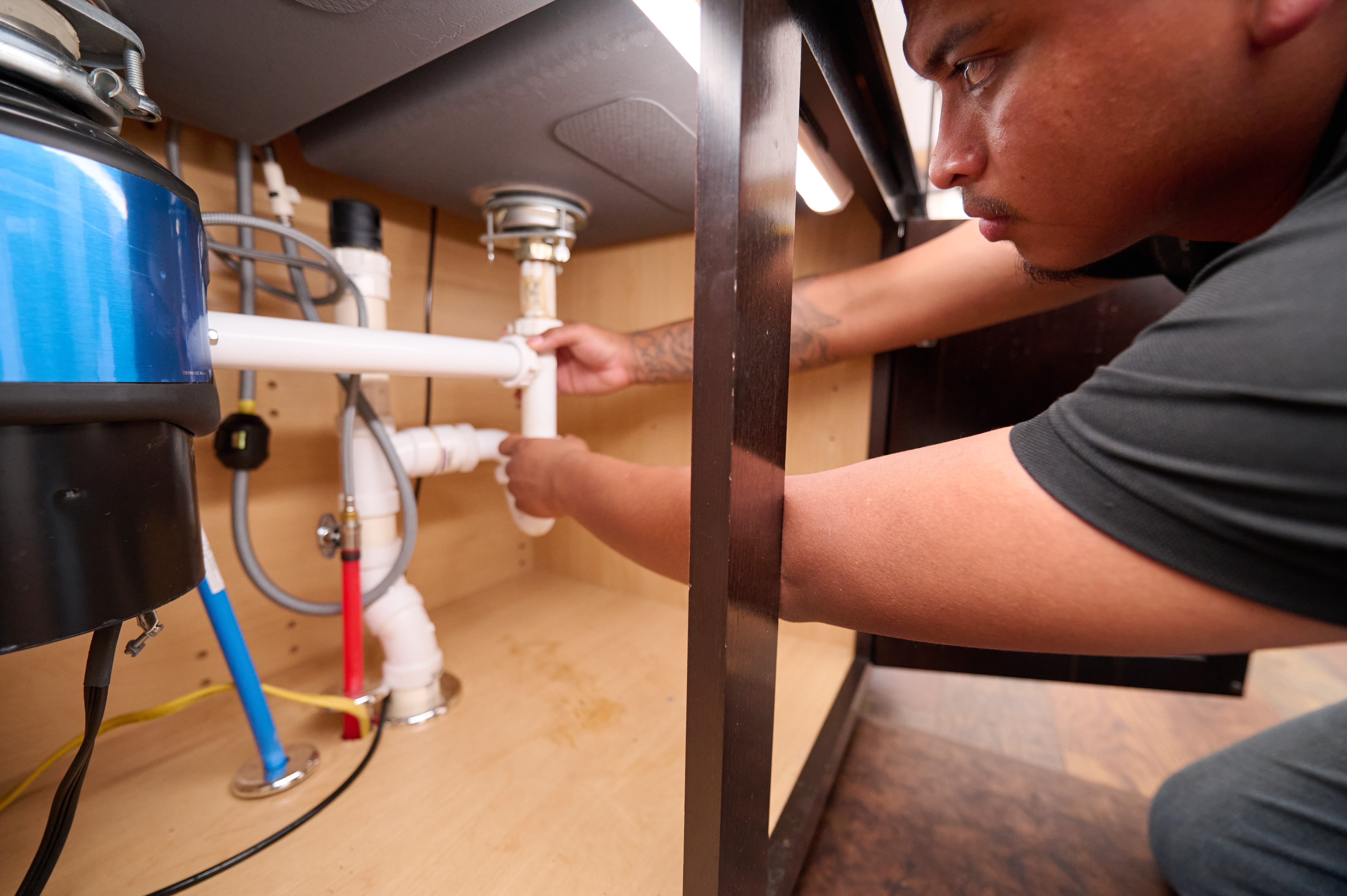
To install or move washer and dryer hookups, you will likely need a combination of professionals. A plumber can handle the water supply lines and drain pipes. If you have a gas dryer, a plumber certified for gas lines or an HVAC specialist will be needed to run the gas line. An electrician is required to install the correct electrical outlets. For simpler jobs, a local handyperson may suffice, while a contractor might be needed for tasks like drywall repair for the new vents.
A handyperson is the professional term used to describe professional fixers who can tackle a wide range of general home repairs. Some pros may prefer to use the term handyworker, handyman, or handywoman, so we recommend politely asking your pro how they would like you to identify them during the project.
Whether a scullery is worth it depends on how much you like to cook and entertain. If you frequently host gatherings—a scullery is likely worth the money. If you’re looking for ROI, it’s not so clear. It may not add significant value to your home, as it doesn’t increase square footage and may repurpose space that a buyer would have preferred to remain as-is (like a laundry room).
The cost to hire a handyman can vary, with most charging on a per-hour or per-project basis. On average, expect to pay between $50 and $150 per hour, with a typical rate around $90 per hour. For project-based work, the average cost is about $400, though the total can range from as low as $180 to $1,500 or more. Some handypeople may also require a minimum flat rate, such as payment for two hours of work.
Several factors influence the final cost, including:
The type, size, difficulty, and complexity of the job
The amount of time the work takes
The handyman's experience level
Your geographic location
The cost of materials and any necessary permits
Accessibility of the work area and potential travel costs
Additionally, you may encounter higher rates or extra fees for emergency services or work scheduled during holidays.
The Springfield, LA homeowners’ guide to handyman services
From average costs to expert advice, get all the answers you need to get your job done.
Hiring the right handyperson can save you time and even money. Here are the best tips for hiring any home project, plus interview questions for a handyperson.
What does a handyperson do? Learn about common tasks and why you should hire a handyperson for your interior and exterior updates, repairs, and maintenance.