






Top-rated marble restoration pros.

Get matched with top marble restoration pros in Pollock, LA

Enter your zip and get matched with up to 5 pros

TRUSTED BY POLLOCK, LA HOMEOWNERS

  • Average homeowner rating star icon4.4
    Average homeowner rating
  • Verified reviews icon59
    Verified marble restoration services reviews

Find Marble restoration pros in Pollock

Avatar for Waterfall Granite and Stone
Waterfall Granite and Stone
4.7(
26
)
Stone Slab Countertops - Repair (Granite, Marble, Quartz, etc)

Serving Pollock, LA and surrounding areas

In business since 2012

Free estimates

Credit card accepted

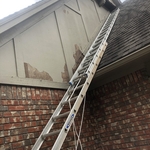
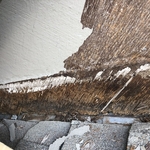
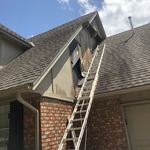
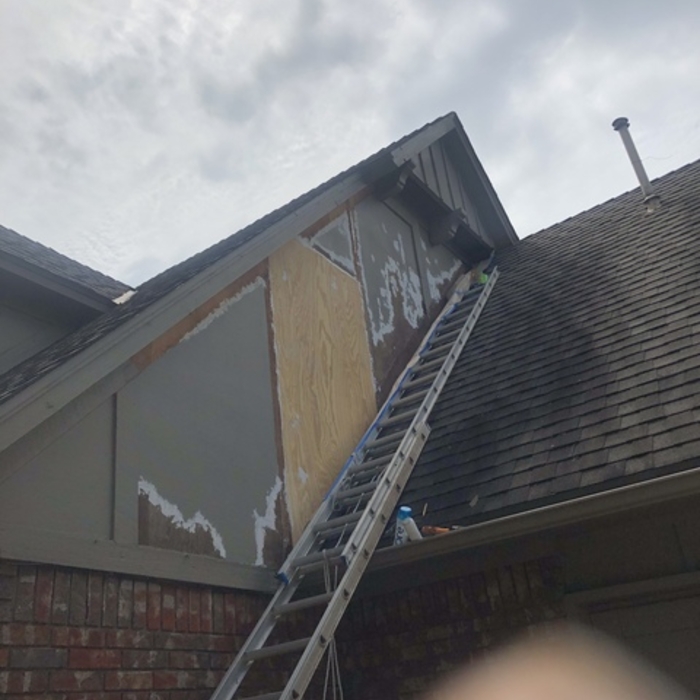
"He replaced some siding that had wood rot and also fixed a could of outside door frames with wood rot. Both repaired and painted. I need work done in short amount of time and he was very quick to respond, start to work and did an A+ job for me. I plan to hire him for other handyman projects in the future. I highly recommend him. He is also a good Christian individual which is important to me. Give him a try."
Siding Replacement
Siding Replacement
Siding Replacement
Siding Replacement
Siding Replacement

+52

Response time1 day
Response rate100%
Recommended by100%of homeowners
Showing 1-10 of 35
Marble Restoration questions, answered by experts

Yes, Corian® and other solid surface materials can be cut with standard woodworking tools, such as a circular saw or a jigsaw. However, it is crucial to use the correct type of blade to avoid damaging the material.

For a circular saw, a tungsten carbide-tipped blade is required; a triple chip grind blade is highly recommended. For a jigsaw, you should use a fine-tooth down-cutting blade. Do not use blades designed for cutting wood, as they can cause microfractures that weaken the edges of the countertop. A diamond blade is also unnecessary, as those are designed for harder materials like natural stone, which Corian is not.

After cutting, the edge will be rough. It is essential to sand and smooth the cut edge to prevent microfractures, which can eventually compromise the integrity of the countertop.

Baking soda can damage some countertops, but it makes an excellent mild abrasive for removing stains on other countertops. For example, never use baking soda on quartz or glass countertops, but you can use it on laminate and tile. Stay away from using it on quartz because it can scratch and damage the counter, and glass is prone to scratches. Since baking soda is a mild abrasive, you can only use it on certain surfaces.

If the damage is minor, you can repair countertops without replacing them. You can also resurface a laminate countertop rather than replace it when it gets old and dingy. Countertop resurfacing is a relatively easy project, though it can be time-consuming, so you may prefer to hire a pro to do this for you.

To remove cloudiness from marble, use equal parts baking soda and water to form a paste. Apply it to the surface, allow it to sit for at least two hours, then wipe with a microfiber cloth. Another option is adding a couple of dish soap drops to warm water and wiping the surface after you’ve applied it to the surface. You may also consider using a liquid stone cleaner.

The frequency for sealing granite countertops depends on several factors, including the type of sealant used, the color of the granite, and how heavily the countertops are used. As a general guideline, resealing is often recommended every 12 to 18 months, but some sources suggest it could be as often as every few months or at least once a year.

The type of sealant is a major factor: water-based sealants may need reapplication every six months to a year, while more durable solvent-based sealants can last for five to 10 years. Additionally, factors like heavy kitchen traffic, frequent use of acidic cleaners, and lighter granite colors may require more frequent sealing to prevent staining.

To determine if your countertops need resealing, you can perform a simple water test. Place a few drops of water or a wet paper towel on an inconspicuous area of the granite. After 10 to 15 minutes, check the spot. If the water has beaded up, the seal is still intact. If the water has been absorbed and darkened the stone, it's time to apply a new coat of sealant. You can choose to seal the granite yourself or hire a professional to ensure it's done correctly.

The Pollock, LA homeowners’ guide to marble restoration services

From average costs to expert advice, get all the answers you need to get your job done.