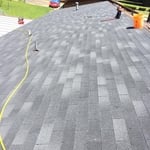
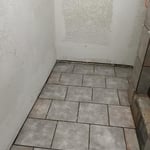
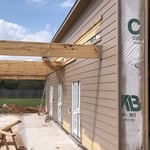
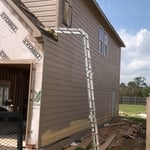
"Amial was outstanding and did an excellent job replacing the stairs on my deck. He is polite, friendly and professional and is an amazingly skilled individual. I have many more projects that only Amial will do."
We are a locally owned and operated company that values honesty and integrity and treats your home as if it were our own. We offer a variety of General Contractor services that are customizable to each individual project. You will find us to be competitively priced, paying close attention to the details of each and every project that we are involved with. We look forward to building lasting relationships and guarantee your satisfaction!
\n
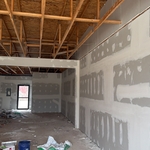
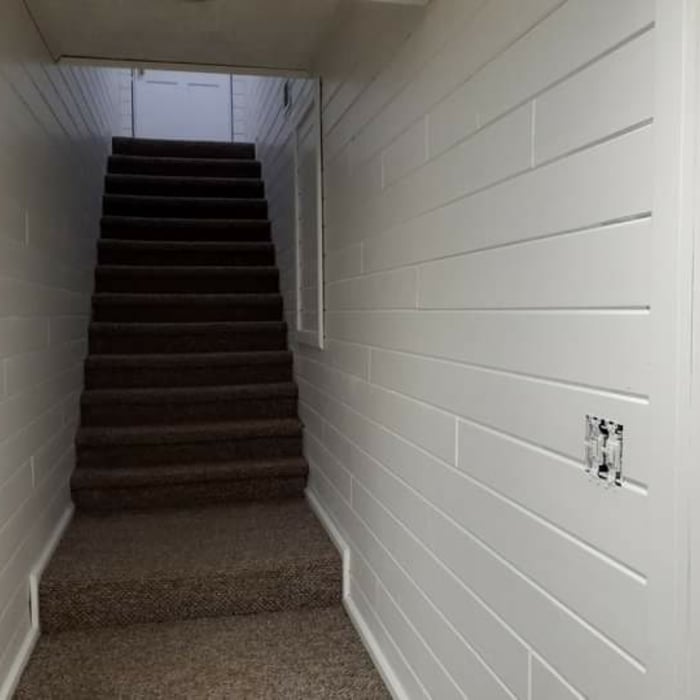
Small Drywall/Paint company family owned.\n\nExperience 10+yrs.\nSkills: Interior / Exterior Tape/Bed/Texture/Paint\nIndustrial-Comercial-Residential\n\nWilling to travel per customers satisfaction. \n
"Yes, everything I needed hauled was taken care and for a little more money, well worth it and reasonable, a broken down mower was also removed. They were friendly and respectful. I will call them again when I need some help"
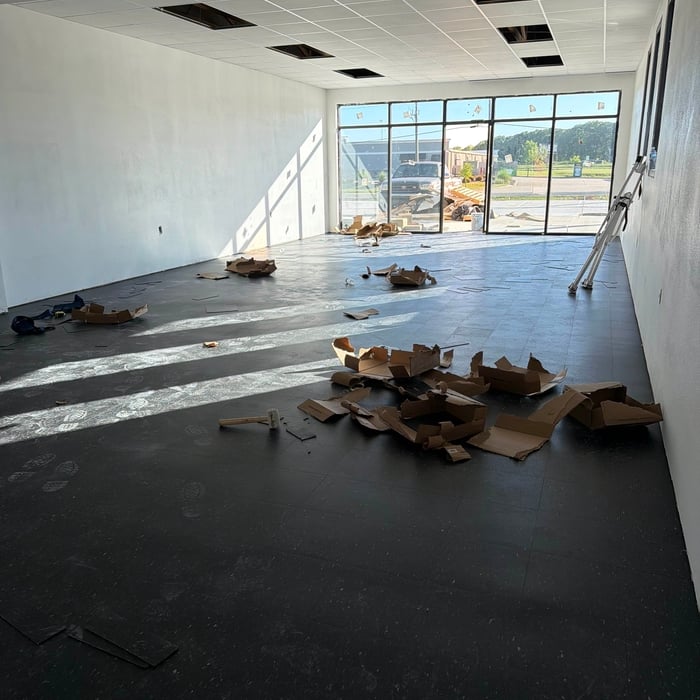
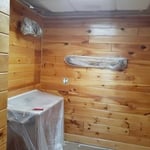
I’m working professionally in carpentry, flooring Sheetrock, texture, Frayming, ceiling, painting and renovation. \nCommercial and residential \nExperience in renovation hotels, building and house \nLandscaping work and tree services
"Leo is professional, courteous, and punctual. The work quoted is extremely reasonable. I had my front porch railing power washed and painted. My deck power washed, sanded, boards replaced, and sealed & stained. The workers are courteous and professional and they came every day until the project was completed. The final bill was exactly the amount quoted. The completed work is beautiful and excellent. I would definitely hire 4T again and I would recommend it to anyone who needs work done."
Yes, many fence repair services include treatments like sanding, priming, rust prevention, and repainting to protect the fence and restore its appearance. These services help prevent further corrosion and improve aesthetics. However, since not all providers include this, it is best to confirm what is covered before scheduling the repair.
If your cedar fence is new, don’t delay. Unlike treated pine, you don’t need to wait months for the wood to dry out for it to accept stain. With cedar, the sooner, the better. Seal cedar within two weeks of installation to prevent the sun from fading its red color.
Staining a wood fence isn’t guaranteed to prevent warping, but it can help. Plus, it’s a beginner-friendly DIY project that you can finish in a few days. If you want to try it, you’ll start by stripping it of any old stain or paint, then sanding it. After that, you’ll clean it and spot-treat any mold or mildew. When it’s dry, you can apply the stain.
The best time to stain a fence is when the weather is dry and temperatures are between 50 and 90 degrees Fahrenheit. Late spring, early summer, and fall are typically the best seasons for this project. You should avoid staining during very hot weather, like in the middle of summer, or when it is raining. Heat and moisture can cause the stain to dry unevenly. Likewise, if it's too cold, such as in winter or early spring, the stain may not be able to dry fully. Before you start, check the forecast to ensure there will be no rain and low humidity for at least a few days.
If it rains after you paint your fence, you may need to apply another coat of paint after the fence thoroughly dries. This will ensure a good seal if the rain weakened any areas of the paint. However, if your paint had enough time to dry thoroughly before it rained, you should have no problem.
The Plain Dealing, LA homeowners’ guide to painting services
From average costs to expert advice, get all the answers you need to get your job done.
How much does it cost to paint a room? Learn what you’ll pay to give your space a makeover, depending on room size, paint type, the pro you hire, and more.
You’ve likely heard of it, but do you actually know what milk paint is? Churn up some helpful info about this product and what it’s best for in our guide.