

Top-rated radon detection and reduction specialists.

Get matched with top radon detection and reduction specialists in Parks, LA

Enter your zip and get matched with up to 5 pros

Need a pro for your radon detection and reduction project in Parks, LA?

Select your specific project to find the pro for you.

Find Radon detection and reduction specialists in Parks

Avatar for Spaulding Decon
Spaulding Decon
5.0(
1
)

Serving Parks, LA and surrounding areas

In business since 2005

Free estimates

Emergency services offered

We provide professional services such as: biohazard, hoarding, water damage, thorough mold remediation, drug use/lab, and crime scene clean up services to the whole of Louisiana and nationwide.\n\nOur team is committed to providing efficient, discreet, and empathetic services tailored to each unique situation. Whether you're dealing with an urgent clean up need or seeking reliable restoration services, we're here to ensure a safe and healthy environment.

Radon Detection and Reduction questions, answered by experts

A homeowner can install a radon mitigation system on their own. But it’s a challenging DIY that requires a lot of knowledge about radon mitigation as well as familiarity with local regulations. You do not want to risk an improper installation that leaves the system unable to detect radon or gives it a shortened life span. Relying on a professional is the surest way to guarantee a successful installation.

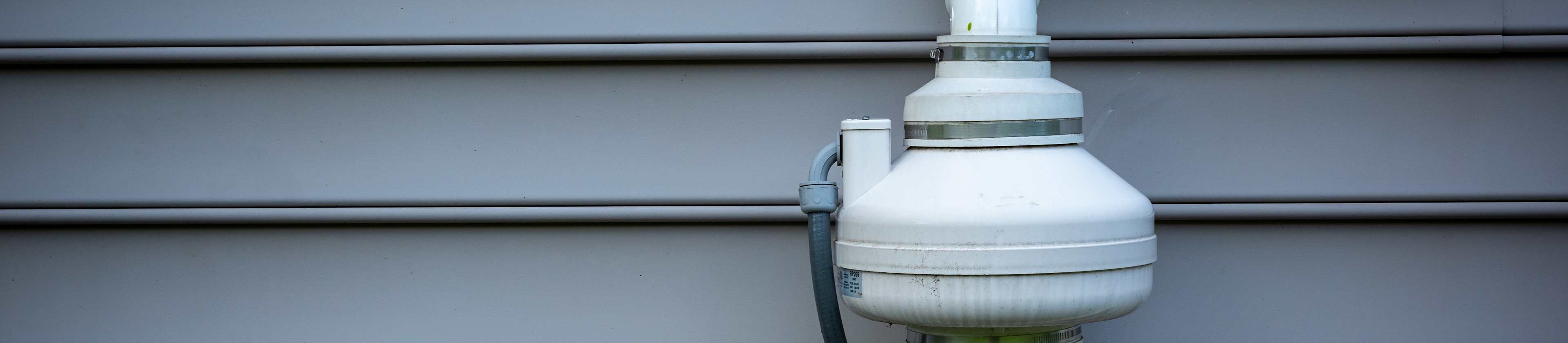
The cost to replace a radon fan ranges from $300 to $600 for the fan itself, with installation adding an additional $200 to $500. Overall, the total cost for replacement can range from $500 to $1,100, depending on factors such as the fan model, home size, and local labor rates. If the fan is part of a larger radon mitigation system, the price may be higher.

Ideally, no one will live in a house with elevated radon levels, as prolonged exposure increases the risk of serious health issues like lung cancer. However, homes with radon can be made safe through mitigation systems, such as active soil depressurization. Testing for radon regularly and addressing high levels helps ensure a safe living environment.

No level of radon is technically safe, but since it is naturally present everywhere, it is impossible to avoid entirely. The average radon level in homes across the United States is 1.3 picocuries per liter (pCi/L). The Environmental Protection Agency (EPA) recommends taking action to reduce radon levels if your home's test results are between 2 and 4 pCi/L or higher.

Radon is a cancer-causing radioactive gas that poses serious health risks, infiltrating homes through foundation cracks and unnoticed spaces.

The Parks, LA homeowners’ guide to radon detection and reduction services

From average costs to expert advice, get all the answers you need to get your job done.