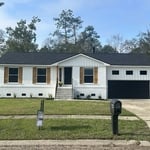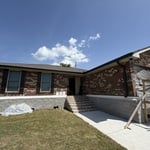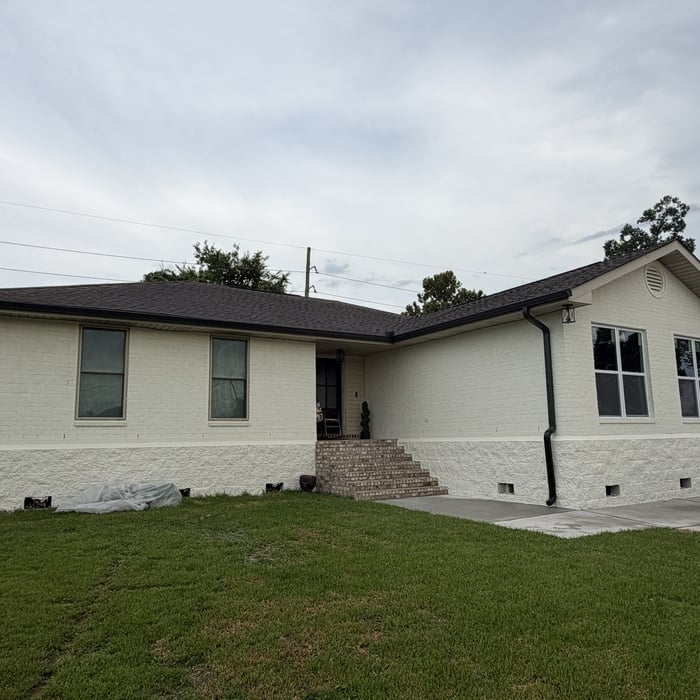

Top-rated drywall pros.

Get matched with top drywall pros in Loranger, LA

Enter your zip and get matched with up to 5 pros

Need a pro for your drywall service project in Loranger, LA?

Select your specific project to find the pro for you.

TRUSTED BY LORANGER, LA HOMEOWNERS

  • Average homeowner rating star icon4.4
    Average homeowner rating
  • Verified reviews icon21
    Verified drywall services reviews

Find Drywall pros in Loranger

Avatar for JSC Construction LLC
JSC Construction LLC
5.0(
18
)

Serving Loranger, LA and surrounding areas

Approved

In business since 2022

Free estimates

Credit card accepted

"They was very courteous they done the job and one day came back when they said they was to finish up and still have some more work to be done when we get the money"
Response time2 days
Response rate100%
1 neighbors recently requested a quote
Avatar for Mo
Mo
New to Angi

Serving Loranger, LA and surrounding areas

Approved

Free estimates

Emergency services offered

Warranties offered

I’m a certified HVAC technician who is reliable, hardworking, and ready to take on any task needed. Customer satisfaction and quality work are always my top priorities.

2 neighbors recently requested a quote
...
Showing 1-10 of 102
Drywall questions, answered by experts

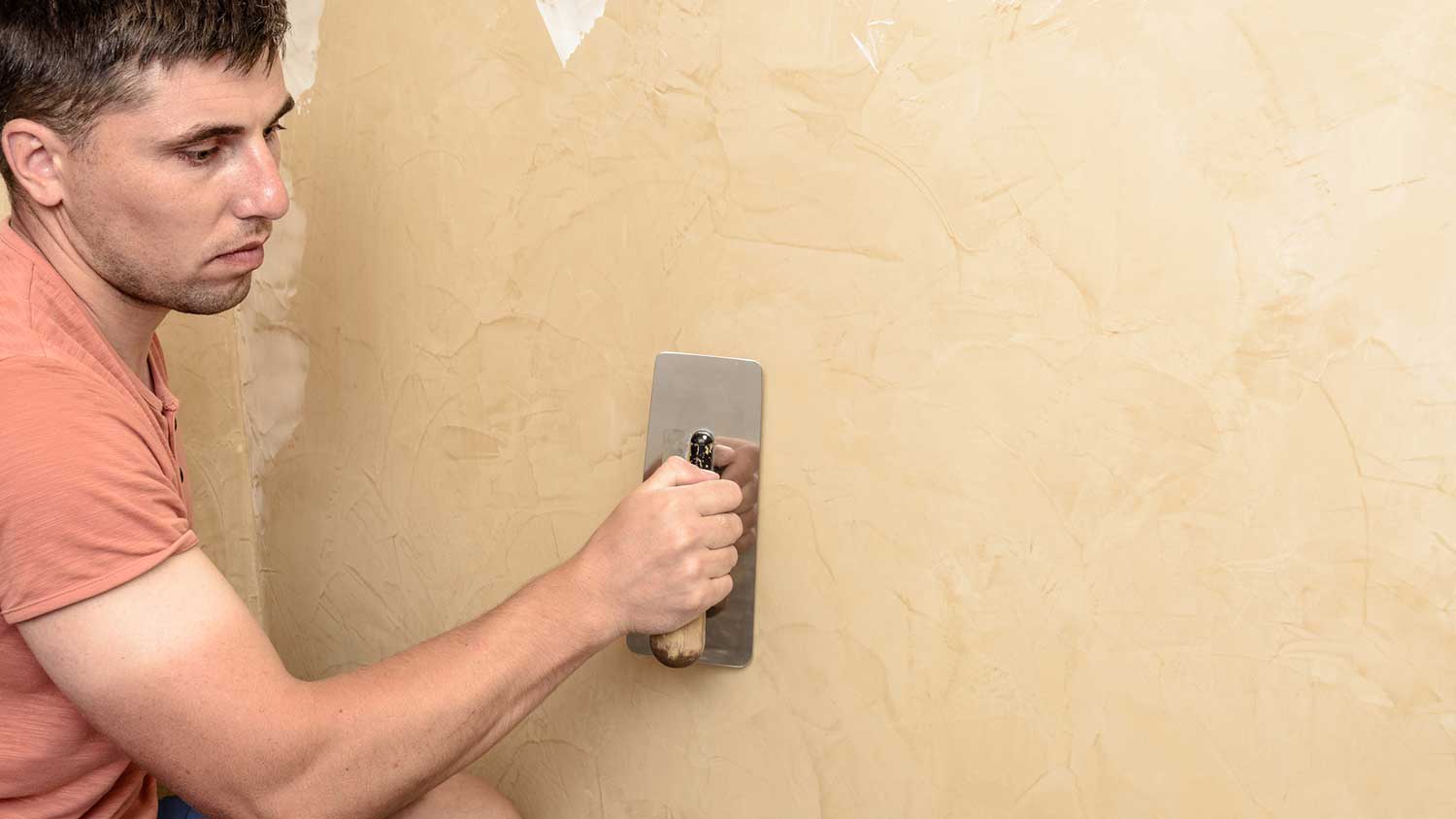
The cost to texture drywall depends on whether you want to do the work yourself or hire a professional. The cost of the drywall mud is far lower than labor costs for applying it. The labor cost to spray drywall compound onto a wall is between $0.80 and $1.50 per square foot, while you’ll pay between $1.50 and $2 per square foot for the labor to apply the texture by hand.

There are several benefits to wet-sanding drywall, but the main perk is that it produces far less dust than dry-sanding. As a result, wet-sanding poses fewer health risks and makes less of a mess in your home. Plus, damp sponges are less abrasive than sandpaper, so there’s a smaller chance of scratching or damaging the drywall paper. Wet-sanding also creates a smoother finish than dry-sanding.

The age of your home can clue you in to whether you have plaster or drywall ceilings. Homes built after the ‘70s are more likely to have drywall ceilings and walls, while older homes have plaster. You can also do the pushpin test: A pushpin will go into drywall, whereas it’s much harder to push one into a plaster wall. If you’re still unsure, ask a drywall professional to let you know which type of ceilings and walls you have.

If you suspect black mold is inside your walls, do not punch a hole in the drywall yourself to look. Call a mold inspection expert to help you. Some signs of a potential black mold infestation inside the wall include an unexplained musty, damp smell. Some people liken it to rotting vegetables. You may smell it most strongly through a wall outlet. If you and your family are experiencing constant coughing or symptoms that feel like an unexplained allergy, it could indicate black mold behind a wall.

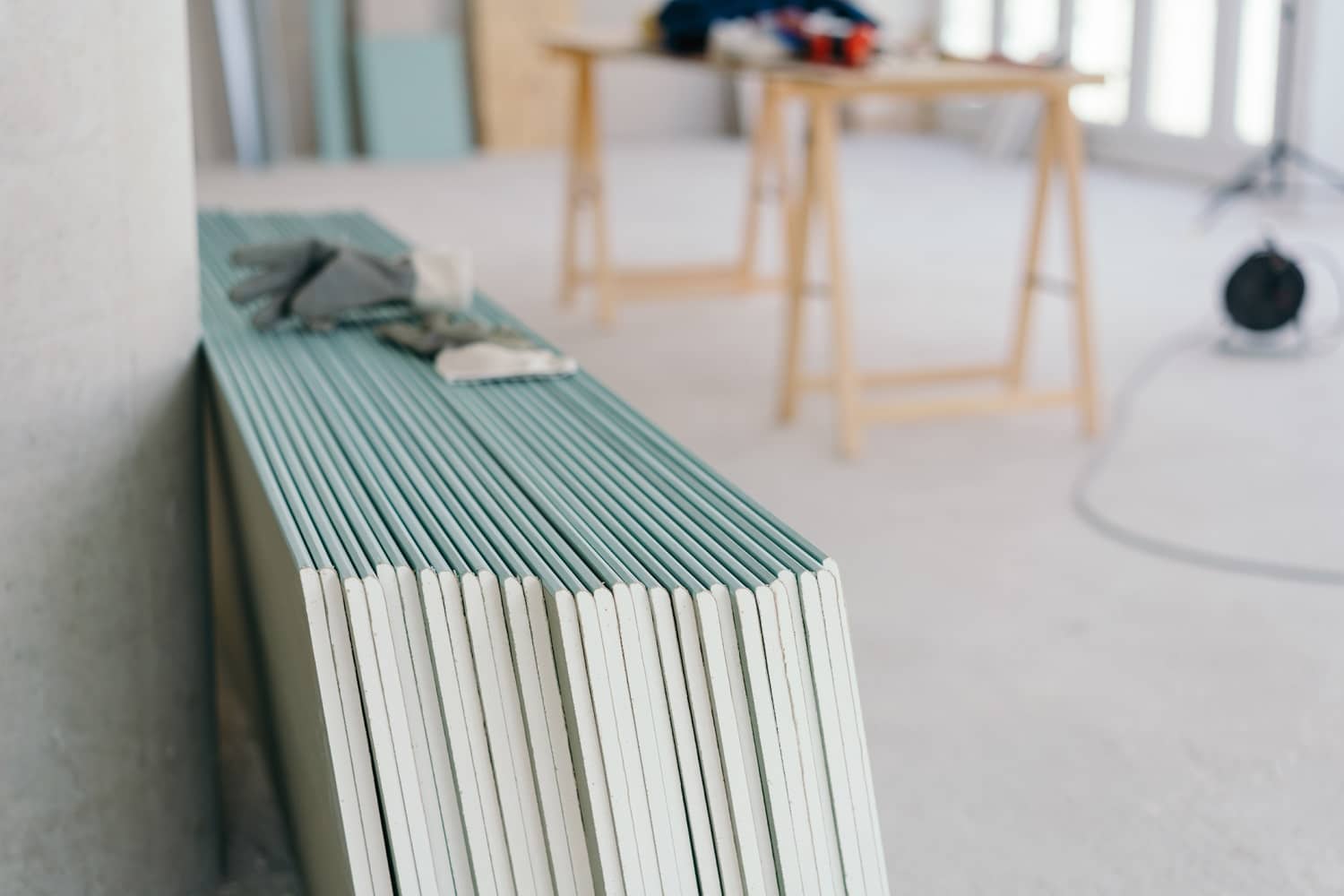
The two most common drywall thicknesses for ceilings are 1/2-inch and 5/8-inch. For most standard residential applications, 1/2-inch drywall is sufficient and widely used. It provides adequate support and is lighter and easier to handle during installation compared to thicker sheets. However, 5/8-inch drywall is often used for specific cases where additional benefits are needed. It is heavier but provides superior sound dampening and fire resistance. You should consider using 5/8-inch drywall for ceilings in commercial buildings, between a garage and a living space, or above a finished basement to meet building codes or for enhanced soundproofing.

The Loranger, LA homeowners’ guide to drywall services

From average costs to expert advice, get all the answers you need to get your job done.

What do you need done? We’ll find top pros.
  • 🌱 "Mow a small front yard"
  • 🛠 "Fix a leaking pipe under the sink"
  • 🏠 "Repair shingles on an asphalt roof"