

Top-rated energy efficiency auditors.

Best energy efficiency auditors near Lecompte, LA

Enter your zip and get matched with up to 5 pros

Need a pro for your energy efficiency auditing project in Lecompte, LA?

Select your specific project to find the pro for you.

Top-Rated Energy efficiency auditors in Lecompte - Updated Nov 2026

Avatar for Eagle Construction Inc
Eagle Construction Inc
4.7(
98
)
Home Energy Audit

Serving Lecompte, LA and surrounding areas

Approved

Super Service Award Winner

In business since 2000

Free estimates

Emergency services offered

"Great, Dustin was very through in his initial inspection, he included pictures of the areas I couldn’t get to. He also pointed out a few things that needed to be addressed and offered to fix those at no charge . That’s Right- NO CHARGE!! The blown-in insulation included a pest deterrent They also put mesh in all the weep holes to seal out pests and rodents. The crew arrived timely, and they were all very professional and courteous. They cleaned up after themselves both inside and out. Amazing, awesome, professional, courteous, and VERY affordable !"

Additional Photos
Response time2 days
Response rate100%
77 neighbors recently requested a quote

Avatar for ENTERGIS TESTING AND SEALING, LLC
ENTERGIS TESTING AND SEALING, LLC
New to Angi
Home Energy Audit

Serving Lecompte, LA and surrounding areas

In business since 2015

Free estimates

Credit card accepted

Spent 5 years learning the craft based on my own interests. Keeps customer completely satisfied. Spend all day thinking about air leakage and how to help those in the Louisiana climate zone. Someone can have the best built home, but if they do not have the correct air sealing, they will be uncomfortable and spend unnecessary money on their energy. My mission is to make my customers the most comfortable in their homes, and save them money.

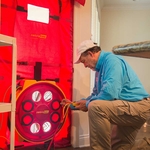
HVAC System Duct Leakage Test
Door Fan Test
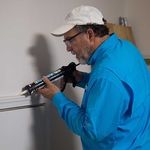
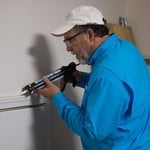
Air Sealing
Air Sealing
Response time1 day
Response rate88%
Energy Efficiency Auditing FAQs, answered by experts

There are several signs that your house might have poor ventilation, including lingering odors, condensation on your windows, or mold and mildew. Your home may also feel stale and stuffy, or you might have trouble maintaining a comfortable temperature in your home. On top of that, you might develop allergy symptoms, such as sneezing, coughing, or headaches.

While some aspects of an appraisal, such as comparable properties nearby, are out of your control, there are several steps you can take to potentially increase your home's value. Make any necessary repairs and upgrades before the appraiser's visit, as they can only value what is currently part of the home, not its potential. Examples include renovating older areas, updating landscaping to boost curb appeal, and staging your home. You can also provide the appraiser with the cost of recent upgrades, which may increase your home's value by about 50% or more of what you paid for those improvements.

Homeowners may qualify for an HVAC tax credit if they install an ENERGY STAR®-certified HVAC system that exceeds the energy efficiency minimum standards:

  • Split-System AC: 16 SEER2

  • Packaged AC: 15.2 SEER2 and 11.5 EER2

  • Ducted Split Heat Pump: 15.2 SEER2, 7.8 HSPF2, and 11.7 EER2 

  • Packaged Heat Pump: 15.2 SEER2, 7.2 HSPF2, and 10.6 EER2

  • Mini-Split System: 16 SEER2, 9 HSPF2, and 12 EER2

You can claim up to 30% of the cost of the job, subject to maximums.

Yes, installing an attic fan can help lower your electric bill—particularly if you live in a hot and humid region. By replacing hot and stuffy air with cooler air, these fans help regulate the temperature in your attic and the rest of your home, taking some of the pressure off of your air conditioner.

To determine the right size generator for your house, you should calculate the total wattage of the appliances and devices you want to power during an outage. List all essential items, note their start-up wattages, and add them together.

Here are some typical wattage requirements for common appliances:

  • Refrigerator: 600 watts

  • Large dehumidifier: 700 watts

  • Large window air conditioner: 1,400 watts

  • Water heater: 3,000 to 4,500 watts

  • Electric furnace: 5,000 to 25,000 watts

A 7,500-watt generator might be sufficient for essentials like a refrigerator, freezer, well pump, and lighting circuits. However, for high-demand items like a water heater or furnace, a whole-home generator is a better choice. A portable generator may be enough if you only need to power a few critical items.

While home square footage can offer a rough estimate, it is not always a reliable indicator. For reference, here are some typical generator sizes based on square footage:

  • 1,000 sq ft: 6–9 kW

  • 1,500 sq ft: 7–10 kW

  • 2,000 sq ft: 10–14 kW

  • 2,500 sq ft: 12–16 kW

  • 3,000 sq ft: 16–20 kW+

For the most accurate sizing, consult a professional who can calculate your home's peak and average power consumption and recommend the optimal generator.

The Lecompte, LA homeowners’ guide to energy efficiency auditing services

From average costs to expert advice, get all the answers you need to get your job done.