


Top-rated excavation pros.

Get matched with top excavation pros in Homer, LA

Enter your zip and get matched with up to 5 pros

Need a pro for your excavation project in Homer, LA?

Select your specific project to find the pro for you.

Find Excavation pros in Homer

Avatar for Dumpster Dog
Dumpster Dog
5.0(
10
)

Serving Homer, LA and surrounding areas

Approved

In business since 2023

Free estimates

Credit card accepted

"This is hands-down the best company Iâ  ve ever seen theyâ  re quick to respond. They do what they say theyâ  re going to do for the best price."
Junk Removal
Junk Removal
Junk Removal
Junk Removal
Junk Removal

+16

Response time10 hrs
37 neighbors recently requested a quote
Recommended by77%of homeowners
Avatar for A Contracting Services, LLC - Inicio  Facebook
A Contracting Services, LLC - Inicio Facebook
5.0(
7
)

Serving Homer, LA and surrounding areas

In business since 2011

Free estimates

"I plan to use this company at a later date, when I can afford do you have the project done. The company things very reliable, and they understood all of my needs. I really like that at design idea that they have for the outside (exterior) of my home. I will be using them in the future for other projects as well."
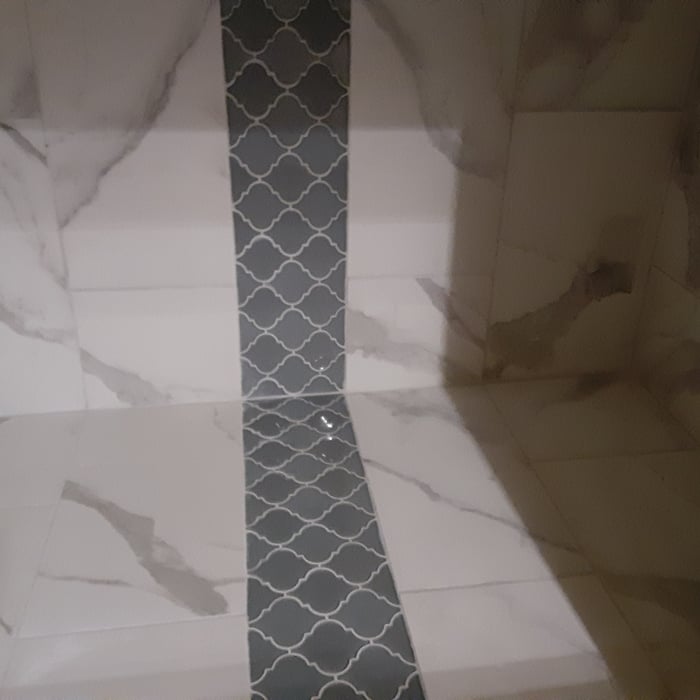
Bathroom Tile
PermaBase Installation before Tile
Staircase Tile
Remodel
Shower tile

+32

Response time2 days
Recommended by100%of homeowners
Showing 1-10 of 45
Excavating questions, answered by experts

No, you typically cannot use metal detectors to find your sewer line. Most sewer lines are made of non-metallic materials such as PVC, clay, or cast iron, which are not detectable by standard metal detectors. Metal detectors are designed to locate metallic objects, so they won't be effective for identifying the path of a non-metallic sewer line. To locate your sewer line accurately, it's best to use other methods.

Water lines are buried at various depths, depending on the type of line. For example, most sprinkler lines are buried between four and 12 inches underground. On the other hand, water mains usually sit between one and 3 feet below ground. However, they can go even deeper in cold climates to prevent freezing.

Trenching and boring are two distinct methods for installing underground utilities. Trenching involves digging a channel using equipment like an excavator, trencher, backhoe, or shovel. While it is a simpler process, it causes significant disruption to the surface, landscaping, and surrounding ecosystems.

Boring, also known as directional boring, is a less invasive alternative that uses a drill to create a tunnel for utility lines without disturbing the surface. This method is more precise and is ideal for installations that need to go underneath buildings, roads, or bodies of water. Although boring is less disruptive, it is generally more expensive than trenching.

Consultation with the local government helps identify necessary permits, avoid project delays or legal issues, and protect project integrity.

While you can save some money by digging your own pool, you may end up paying more in construction equipment rental fees in the long run. You could, however, focus your DIY energies on lowering the cost of leveling your lawn for your pool or filling in surrounding landscaping after construction.

The Homer, LA homeowners’ guide to excavation services

From average costs to expert advice, get all the answers you need to get your job done.