



Top-rated deck maintenance specialists.

Get matched with top deck maintenance specialists in Grosse Tete, LA

Enter your zip and get matched with up to 5 pros

Need a pro for your deck maintenance project in Grosse Tete, LA?

Select your specific project to find the pro for you.

Find Deck maintenance specialists in Grosse Tete
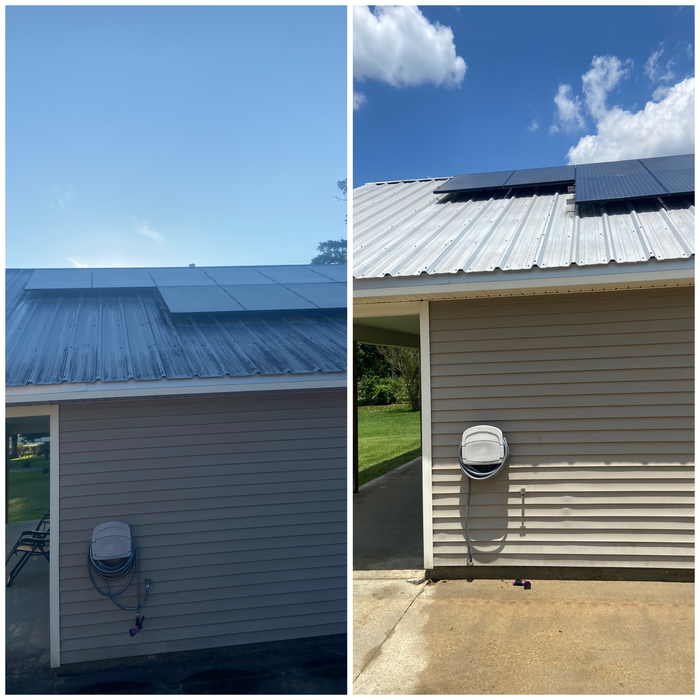
GC Property Restoration
New to Angi

Serving Grosse Tete, LA and surrounding areas

Approved

Emergency services offered

Small jobs welcome

Credit card accepted

Hi, my name is Braden Cazes, owner of GC Property Restoration. We are a locally owned company dedicated to providing reliable, high-quality restoration and property improvement services. We take pride in honest communication, attention to detail, and making sure every job is completed the right way.\n\nAt GC Property Restoration, customer satisfaction is our top priority. Whether it’s repairs, renovations, restoration work, or general property improvements, we work hard to deliver professional results at a fair price. We appreciate every opportunity to earn our customers’ trust and look forward to helping bring your project to life.

Avatar for Real-Pro Soft/Pressure Wash LLC
Real-Pro Soft/Pressure Wash LLC
5.0(
5
)

Serving Grosse Tete, LA and surrounding areas

In business since 2015

Free estimates

"David did an excellent job. I had work done for my house and patio. Everything shined like new and his service was fast and affordable. I highly recommend their work and will hire them again in the future."
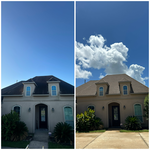
House wash
Brick walkway
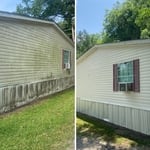
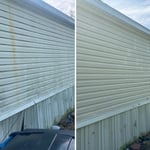
House- siding soft washing
Exterior cleaning
Driveway/sidewalk

+28

Recommended by100%of homeowners
...
Showing 1-10 of 61
Deck Maintenance questions, answered by experts

The proper height for a stair riser or deck step is between four and seven inches, with seven inches often considered the most comfortable. Building your stairs to this height ensures a strain-free step position and minimizes the risk of trip and fall injuries. For optimal safety and comfort, especially on deck stairs, a rise of around seven inches should be paired with a tread depth (or run) of at least 10 to 12 inches. While it is possible to design stairs with risers up to 12 inches, this height can be challenging for children, pets, or individuals with mobility issues. Always check with your local building codes, as they may mandate specific dimensions that differ from these general recommendations.

The best direction for a gate to swing depends on its location and purpose, but swinging inward is the general rule. An inward swing is often considered safer, prevents the gate from opening into public spaces like a sidewalk, and may be required by local building codes.

There are exceptions and specific considerations. If your property is on a slope, an inward swing might not be possible. For a deck gate, it's safest to have it swing away from any steps. In a backyard, the direction can be a matter of preference, though an inward swing can be helpful when carrying heavy items like a wheelbarrow into a garden.

Regardless of direction, ensure the gate can open fully without hitting any objects or blocking spaces. While an inward swing is standard, a gate that can swing both in and out offers the most flexibility if your setup allows for it.

Decks require several inspections during and after the building process, but the specifics vary depending on where you live. Most areas mandate that decks comply with local building codes and safety regulations for the foundation, framing, and structure. Some pros recommend a footing inspection, which verifies the depth, width, and location of the various footings to ensure they offer enough foundational support.

The life expectancy of deck boards varies widely based on the material, climate, and maintenance. Untreated wood boards typically last 10 to 30 years with proper care, while pressure-treated boards can last up to 50 years. Hardwoods generally outlast softwoods. Composite boards also tend to last longer than natural wood. Environmental factors like arid or humid climates can shorten a deck's lifespan. To extend the life of wood decking, it's important to consistently clean and seal it to protect against moisture, UV light, and insects.

Yes, Ipe is more expensive than Trex decking—both in terms of materials and installation (plus, Ipe trees are endangered). On average, Ipe decking costs $10 to $25 per square foot, while Trex decking costs $5 to $12 per square foot. Because Ipe is harder to work with, the price of installation is higher, too. For Ipe decking, you’ll pay between $20 and $45 per square foot for labor. However, with Trex decking, the labor costs range from $8 to $22 per square foot.

The Grosse Tete, LA homeowners’ guide to deck maintenance services

From average costs to expert advice, get all the answers you need to get your job done.