


Top-rated lead testing and removal specialists.

Get matched with top lead testing and removal specialists in Empire, LA

Enter your zip and get matched with up to 5 pros

Need a pro for your lead testing and removal project in Empire, LA?

Select your specific project to find the pro for you.

Find Lead testing and removal specialists in Empire

Avatar for Lavalla Environmental Services, LLC
Lavalla Environmental Services, LLC
4.0(
28
)
Toxic Lead - Testing

Serving Empire, LA and surrounding areas

In business since 2006

Free estimates

Emergency services offered

"Very orofessional and friendlyl. More importantly, they showed up. I had called another company and they told me they were backed up from the flood, but would call me and schedule a time. After four days with no call, I contacted Lavalla at 6:00 in the morning and they came that afternoon. Since the crewa were busy doing large flood related jobs, the owner came out and did my small job for me. Cost was $115 less than estimate from 1st company I called. I will be using Lavalla Environmental to clean the ducts at my new house."
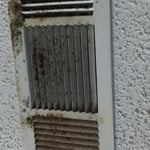
Air Return Not Clean
Mold On Return
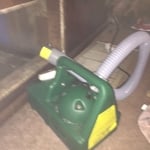
Mold fogging in action
WATER DAMAGE IN CEILING
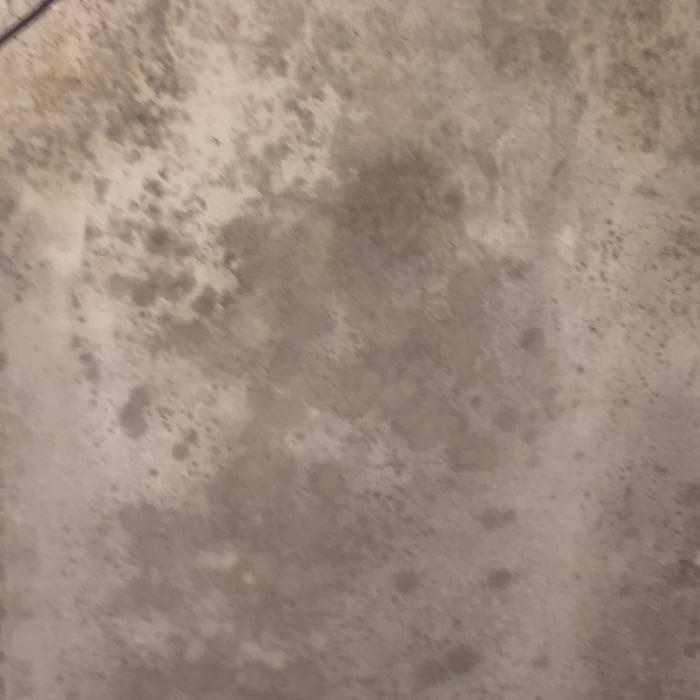
Closet Mold on Sheetrock

+28

Response time1 day
Recommended by84%of homeowners
Avatar for Spaulding Decon
Spaulding Decon
5.0(
1
)
Toxic Lead - AbatementToxic Lead - Testing

Serving Empire, LA and surrounding areas

In business since 2005

Free estimates

Emergency services offered

We provide professional services such as: biohazard, hoarding, water damage, thorough mold remediation, drug use/lab, and crime scene clean up services to the whole of Louisiana and nationwide.\n\nOur team is committed to providing efficient, discreet, and empathetic services tailored to each unique situation. Whether you're dealing with an urgent clean up need or seeking reliable restoration services, we're here to ensure a safe and healthy environment.

Lead Testing and Removal questions, answered by experts

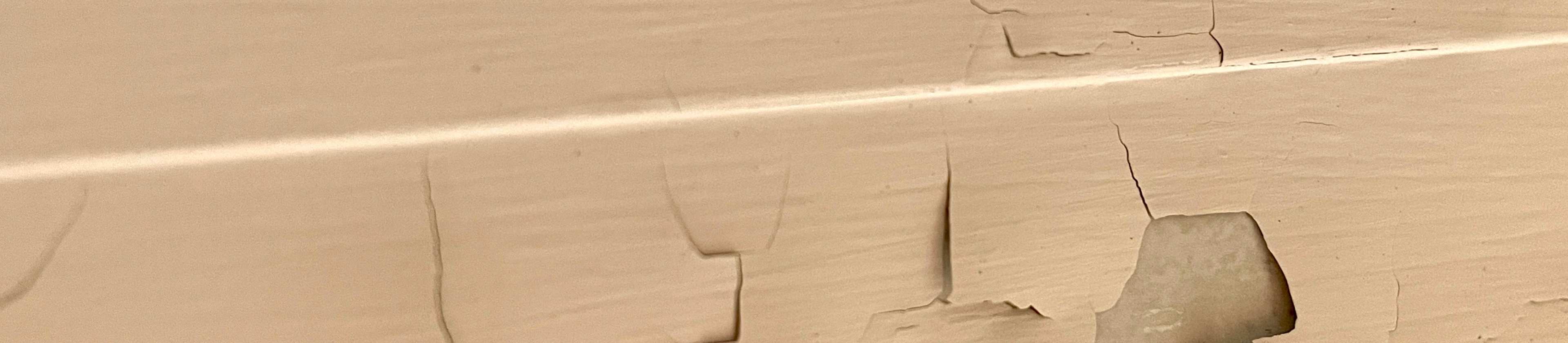
Professional testing for lead paint costs about $300, ranging from about $250 to $700, depending on the square footage, accessibility, and location. However, testing for lead paint with a DIY home-testing kit costs about $25, but doesn’t guarantee accurate results. The U.S. Environmental Protection Agency (EPA) recommends using a lead test kit that complies with the Lead Renovation, Repair, and Painting (RRP) Rule, which has strict criteria for ensuring a more accurate reading.

Common home surfaces to test for lead include:

  • Walls

  • Windows

  • Doors

  • Molding and trim

  • Railings

Professional lead testing services typically cost between $200 and $500, with the price varying based on the extent of testing and the specific areas tested within the property.

DIY kits are available for basic air quality testing, but professional services provide more comprehensive results and recommendations. While a DIY kit may seem cost-effective, a professional assessment is more thorough. Inspectors are better equipped to catch all pollutants and hazards, and you'll still need a professional to verify and act on DIY test results. Furthermore, some kits don't test for certain pollutants or only detect their presence without measuring specific levels (like mold spores). It's generally better to opt for a detailed professional assessment.

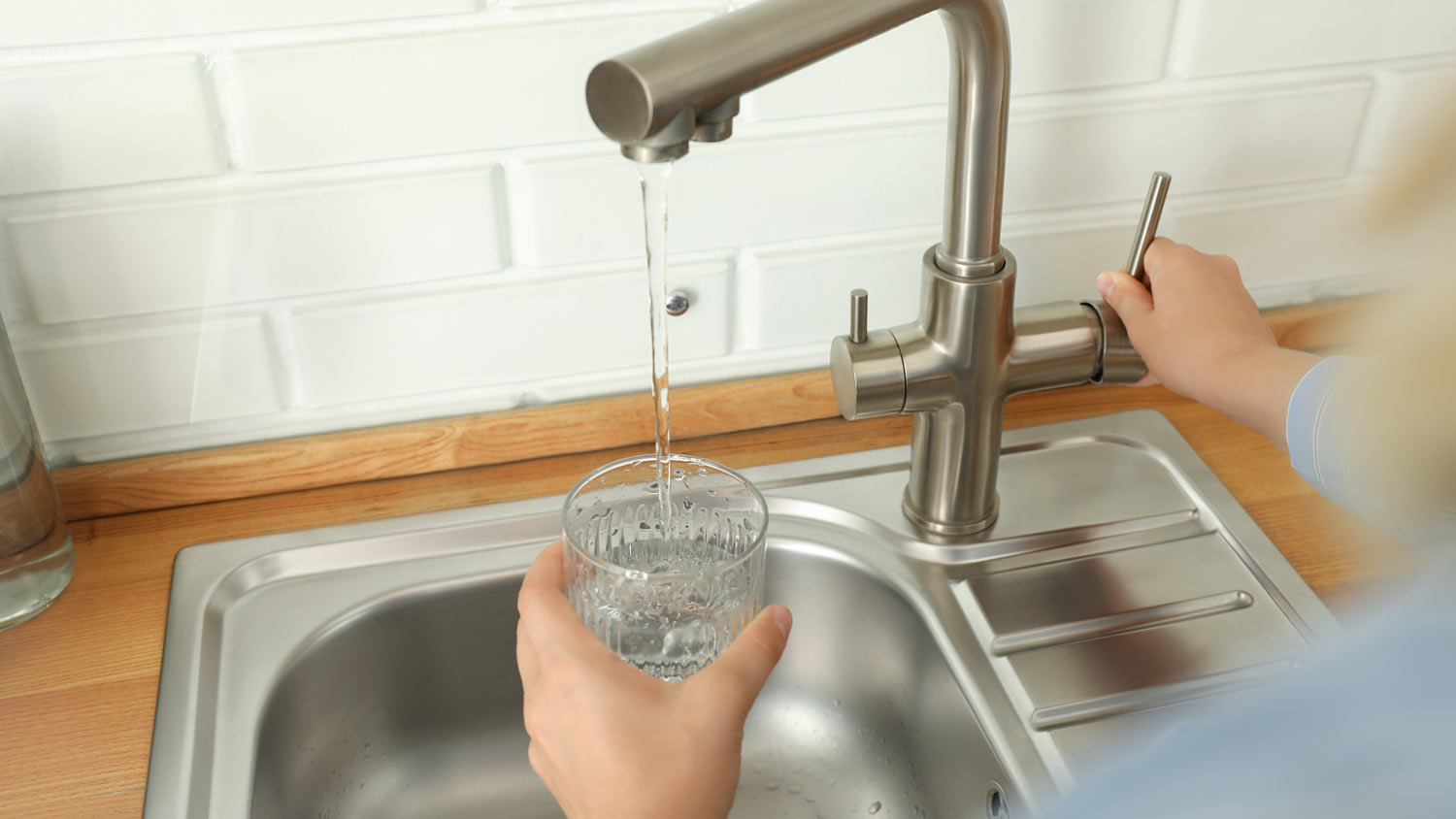
How you test for lead in your water depends on the source of your home's water supply. If you have municipal water, your local water system may offer to test the water for free or may connect you to a lab that will perform the testing.

If you have a private well that provides drinking water, you are responsible for testing it for lead. Look for a lab that is accredited by your state's Department of Environmental Protection to perform the test.

According to the Environmental Protection Agency (EPA), hazardous waste is generally classified into four main categories:

1. Characteristic Wastes: These exhibit at least one of four hazardous traits: ignitability (flammable, like gasoline), corrosivity (can rust or decompose materials, like car batteries), reactivity (unstable and can explode, like aerosol cans), or toxicity (harmful when ingested, like lead-based paint).

2. Listed Wastes: These are specific wastes from manufacturing and industrial processes that the EPA has officially designated as hazardous. They include byproducts from processes that use solvents, pesticides, and other chemicals.

3. Universal Wastes: These are commonly generated hazardous items that are subject to streamlined regulations. Examples include batteries, pesticides, mercury-containing equipment (e.g., bulbs), and some lamps.

4. Mixed Wastes: This category includes waste that contains both hazardous and radioactive components, making it subject to regulation by both the EPA and the Nuclear Regulatory Commission.

The Empire, LA homeowners’ guide to lead testing and removal services

From average costs to expert advice, get all the answers you need to get your job done.