

Top-rated drywall pros.

Get matched with top drywall pros in Chatham, LA

Enter your zip and get matched with up to 5 pros

Need a pro for your drywall service project in Chatham, LA?

Select your specific project to find the pro for you.

Find Drywall pros in Chatham

Avatar for CMS-Handyman, LLC
CMS-Handyman, LLC
5.0(
1
)
Drywall - Repair

Serving Chatham, LA and surrounding areas

Approved

In business since 2021

Free estimates

Customers say: Quick response

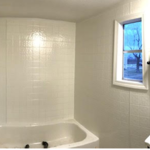
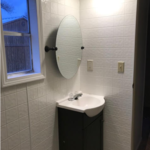
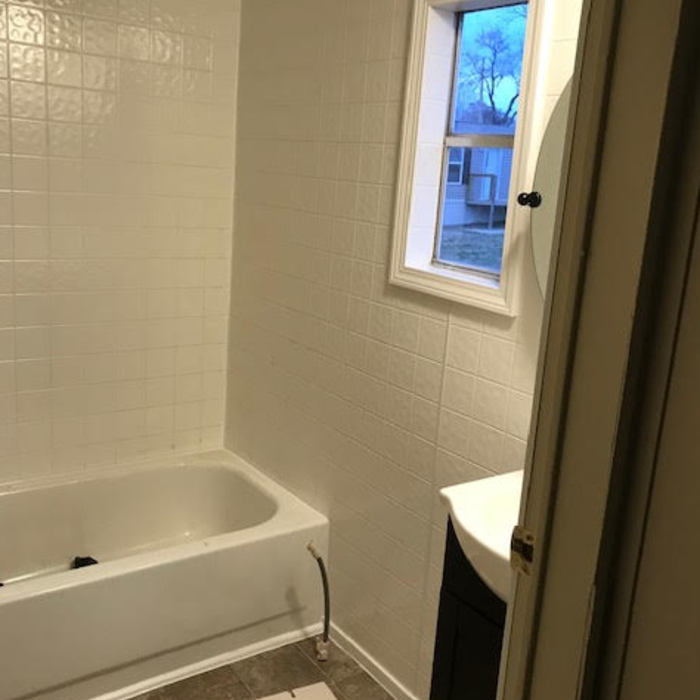
CMS-Handyman L.L.C. is committed to excellence in every aspect of our business. We uphold a standard of integrity bound by fairness, honesty, and personal responsibility. Our distinction is the quality of service we bring to our customers. Accurate knowledge of our trade combined with ability is what makes us true professionals. Above all, we are watchful of our customers interests and make their concerns the basis of our business.

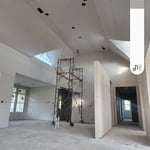
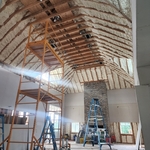
Interior Remodel
Interior Remodel
Interior Remodel
Interior Remodel
Interior Remodel

+62

Response time2 days
Recommended by100%of homeowners
Avatar for All in One S & P Contracting Services, LLC
All in One S & P Contracting Services, LLC
4.3(
18
)
Drywall - Repair

Serving Chatham, LA and surrounding areas

In business since 2024

Free estimates

Emergency services offered

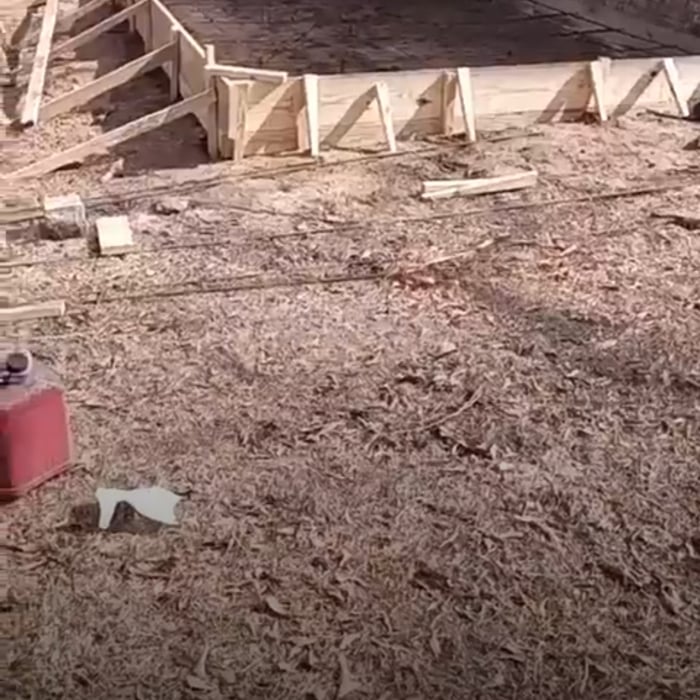
"Not only did S&P provide the smaller things but when asked to price and complete a covered gazebo on a concrete slab with a retaining wall around half of it they not only provided a good price but a good finished quality product as well. I would recommend S&P for any of your needs big or small. P.s. I wish I had pictures of before and after work but they were not on a cloud but on my old phone."
Ramp Built and Stained

+3

Response time1 day
Response rate99%
Recommended by81%of homeowners
...
Showing 1-10 of 93
Drywall questions, answered by experts

The easiest way to tell if a wall is load bearing is to check if it’s an exterior wall or if it runs perpendicular to the joists above and below it (or parallel to beams). Exterior walls are almost always load-bearing, and walls that run under beams or parallel to them are also usually load-bearing. There are exceptions to these rules, and walls that don’t fit into these categories can still be load-bearing. If you’re unsure, hire a structural engineer to look at your home to assess whether or not the wall is structural.

Whether you can reuse a drywall anchor depends on its type, material, and how it is removed. Plastic anchors, such as expansion or self-drilling types, are generally considered single-use because they are designed to expand and are likely to break or become deformed upon removal. Metal anchors, like toggle bolts, are more durable and can often be reused if they are not damaged during extraction. However, with toggle bolts, the toggle mechanism can fall inside the wall when the bolt is removed, making it difficult to retrieve. If an anchor is damaged or must be cut for removal, it cannot be reused regardless of its material.

There are six levels of drywall finish, from 0 to 5, that refer to the amount of work performed during the finishing process.

Level 0: Drywall is hung with no finishing work.

Level 1: Tape is placed over the seams between drywall sheets.

Level 2: A thin layer of mud is applied over the tape and screw holes. This level is common for utility rooms or walls that will be covered.

Level 3: A full coat of mud covers the screw holes and tape, but the surface is not sanded. This is often used in garages.

Level 4: This is the most common finish for visible interior walls. It involves applying two coats of mud over seams and screw holes, with sanding between each coat, creating a smooth surface ready for flat paint.

Level 5: This is a high-end finish for luxury homes. It includes full taping, mudding, and sanding, plus a final skim coat over the entire surface before painting.

The best way to make long, straight cuts is to use a utility knife and a T-square to score the sheet, snap along the score, and then finish the cut by cutting through the paper on the opposite side with the utility knife. If you’re making small cuts, curved cuts, or cutouts for electrical boxes or light fixtures, you can use a manual jab saw to keep costs down, but an electric spiral saw or oscillating multi-tool will get the cleanest, fastest cuts possible.

Yes, if there is mold in your drywall mud and you then use it to build walls in your house—or if mold develops in your set drywall, like it can in hot and humid areas—it can lead to illness. Mold in your drywall (or other parts of your home) can make existing respiratory conditions or allergies worse, and the effect can be more intense for those who have existing health issues or compromised immune systems.

The Chatham, LA homeowners’ guide to drywall services

From average costs to expert advice, get all the answers you need to get your job done.