


Top-rated drywall pros.

Get matched with top drywall pros in West Monroe, LA

Enter your zip and get matched with up to 5 pros

Need a pro for your drywall service project in West Monroe, LA?

Select your specific project to find the pro for you.

TRUSTED BY WEST MONROE, LA HOMEOWNERS

  • Average homeowner rating star icon4.3
    Average homeowner rating
  • Verified reviews icon12
    Verified drywall services reviews

Find Drywall pros in West Monroe

Avatar for CMS-Handyman, LLC
CMS-Handyman, LLC
5.0(
1
)
Drywall - Repair

Serving West Monroe, LA and surrounding areas

Approved

In business since 2021

Free estimates

Customers say: Quick response

CMS-Handyman L.L.C. is committed to excellence in every aspect of our business. We uphold a standard of integrity bound by fairness, honesty, and personal responsibility. Our distinction is the quality of service we bring to our customers. Accurate knowledge of our trade combined with ability is what makes us true professionals. Above all, we are watchful of our customers interests and make their concerns the basis of our business.

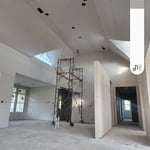
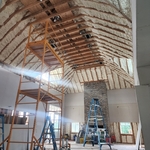
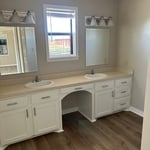
Interior Remodel
Interior Remodel
Interior Remodel
Interior Remodel
Interior Remodel

+62

Response time2 days
Recommended by100%of homeowners
Avatar for All in One S & P Contracting Services, LLC
All in One S & P Contracting Services, LLC
4.3(
18
)
Drywall - Repair

Serving West Monroe, LA and surrounding areas

In business since 2024

Free estimates

Emergency services offered

"The guys did a great job mounting curtain rods in my new home. They were very fast to respond and courteous during their time in my home. I will be using their services again in the future."
Ramp Built and Stained

+3

Response time1 day
Response rate99%
Recommended by81%of homeowners
...
Showing 1-10 of 135
Drywall questions, answered by experts

You should always hang drywall from the top down. Starting at the top makes it easier to create a straight, tight line between the ceiling and the wall. Any gaps that occur will be at the bottom, where they are easier to manage. You can either cut the bottom piece of drywall to fit the remaining space or cover the gap with baseboard trim. Additionally, starting at the top is physically easier, as you won't have to fit the top sheet into a tight space between the lower sheet and the ceiling, or try to balance the upper sheets on the lower ones while securing them.

The cost to install drywall is between $1.50 and $3 per square foot, while shiplap installation costs between $2 and $7 on average. In most applications, shiplap installations cost more than that of putting in drywall. However, several ways exist to reduce shiplap prices, especially for small locations or accent walls, which can keep the total cost of shiplap competitive with that of drywall.

In most cases, no, you won’t need a permit to replace drywall. If you’re changing the floorplan of your home by adding or removing walls during the drywall project, then you might need a permit, but replacement or repairs usually doesn’t require a permit. Your drywall professional should be able to confirm whether or not a permit is required for your project. If it is, it’s likely to add between $50 and $150 to your total cost. Keep in mind that you will need permits if you plan to install new electrical wiring or plumbing lines behind your new drywall.

A post-drywall inspection could uncover many problems that weren’t present during the pre-drywall inspection, including insufficient insulation, missing weather stripping, improperly installed plumbing and lighting fixtures, flooring damage, drywall damage, plumbing leaks, aesthetic issues, and more. Structural problems, which are often expensive to fix and are common reasons to walk away after a home inspection, are easier to see before the drywall goes up, but a post-drywall inspection may highlight minor issues with house settling and foundation problems.

There are several benefits to wet-sanding drywall, but the main perk is that it produces far less dust than dry-sanding. As a result, wet-sanding poses fewer health risks and makes less of a mess in your home. Plus, damp sponges are less abrasive than sandpaper, so there’s a smaller chance of scratching or damaging the drywall paper. Wet-sanding also creates a smoother finish than dry-sanding.

The West Monroe, LA homeowners’ guide to drywall services

From average costs to expert advice, get all the answers you need to get your job done.