




Top-rated electricians.

Get matched with top electricians in Bayou Cane, LA

Enter your zip and get matched with up to 5 pros

Need a pro for your electrical service project in Bayou Cane, LA?

Select your specific project to find the pro for you.

TRUSTED BY BAYOU CANE, LA HOMEOWNERS

  • Average homeowner rating star icon4.7
    Average homeowner rating
  • Verified reviews icon169
    Verified electrical services reviews

Find Electricians in Bayou Cane

Avatar for First Circuit, LLC
First Circuit, LLC
5.0(
28
)
Ceiling Fan - InstallElectrical Switches, Outlets & Fixtures - Install or RepairElectrical Switches, Outlets & Fixtures - Install or Repair - For Business+9 more

Serving Bayou Cane, LA and surrounding areas

Approved

In business since 2007

Free estimates

Emergency services offered

"The electrician came out on a Sunday afternoon, made money saving and cost cutting suggestions. He started working on Monday morning and was finished by 3:00 Tuesday afternoon. Friendly, knowledgeable, and all around great professional manner. Will definitely use for all electrical so from now on."
Landscape lighting
Landscape lighting
Landscape lighting
Camper service
Camper service

+30

Response time11 hrs
Response rate85%
Recommended by100%of homeowners
Avatar for Power Cross
Power Cross
4.8(
83
)
Fixed Generator - RepairGenerator - Repair - For Business

Serving Bayou Cane, LA and surrounding areas

Approved

In business since 2005

Emergency services offered

Customers say: True professional

"On time, professional and knowledgable. Could have sold me a top of the line battery but explained to me why a middle of the line for $100 less would be just as good. Keegan will be doing all my generator maintenance from now on. I highly recommend Keegan and Power Cross."
Portable fixed
Marine water cool generator
20 15kw home standby generator
Commercial unit
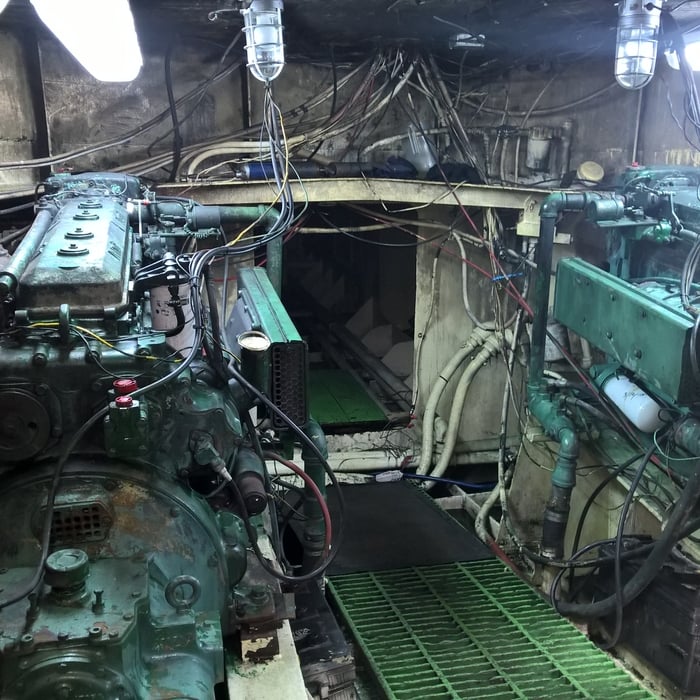
Marine engines

+10

Response time5 hrs
Recommended by97%of homeowners
United Lightning Rods
4.9(
64
)
Lightning Protection - Install or Repair

Serving Bayou Cane, LA and surrounding areas

Approved

Super Service Award Winner

In business since 1941

Free estimates

Warranties offered

"Ed Riley is extremely knowledgeable about what causes lighting and how to protect from it. He explained to me which and how structures develop static electricity that lead to lighting discharges in a way that the physics made sense to me. They were also reasonably priced and kept their word. Definitely recommend them."
Response time2 days
Response rate99%
83 neighbors recently requested a quote

...
Showing 1-10 of 196
Electrical questions, answered by experts

Running conduits through an exterior wall is an effective method for powering outdoor spaces. From gardens to sheds to garages and more, it can be important to have electricity outdoors. Using conduit, which safely covers wires outdoors, is an easy way to get power where homeowners need it.

A 3-prong, 15-amp, 120-volt outlet is standard in the U.S. These have two vertical slots and a U-shaped grounding hole, which suits most home electronics, from televisions to microwaves. Three-pronged outlets are safer than 2-pronged ones, as the third wire, known as the grounding wire, helps prevent shocks and electrical fires.

You can bury underground electrical wire six inches deep—but only if you use a rigid metal electrical conduit. For rigid, non-metallic conduits, bury the wire at least 12 inches deep. If using an underground feeder cable rated for direct burial, you'll need to place it at least 18 inches deep, as it has no conduit for extra protection.

You will need a permit for any electrical work that involves installing or replacing wiring, moving or installing new fixtures, switches, or outlets, hardwiring appliances or HVAC equipment, installing subpanels, and upgrading electrical service. You typically don’t need a permit to have an electrician replace an existing light fixture or electrical box. You can always call your local building department to see if your project needs a permit, but a professional electrician will be able to tell you. In most cases, your professional will pull the permits for you.

Grounding is an essential part of installing an electric fence. Without grounding, the electrical circuit will be incomplete. That means the fence won’t work and will fail at delivering shocks upon impact. Even grounding the fence improperly can cause faulty shocks, if any. To ground the fence, you will need to use ground rods, ideally made from copper or galvanized metal, that are at least 4 feet high, for best results.

The Bayou Cane, LA homeowners’ guide to electrical services

From average costs to expert advice, get all the answers you need to get your job done.