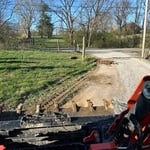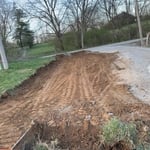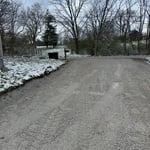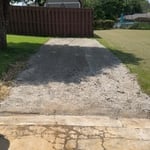





Top-rated excavation pros.

Get matched with top excavation pros in Winchester, KY

Enter your zip and get matched with up to 5 pros

Need a pro for your excavation project in Winchester, KY?

Select your specific project to find the pro for you.

TRUSTED BY WINCHESTER, KY HOMEOWNERS

  • Average homeowner rating star icon4.8
    Average homeowner rating
  • Verified reviews icon37
    Verified excavation services reviews

Find Excavation pros in Winchester

Avatar for Absolute Excavation and Construction

Absolute Excavation and Construction
5.0(
4
)
Building Site - Preparation and ClearingBuilding Site - Preparation and Clearing - For BusinessExcavation - Major Grading or Resloping - For Business

Serving Winchester, KY and surrounding areas

Approved

In business since 2020

Free estimates

Offers commercial services

"Carl at Absolute Excavation and Construction did an excellent job for our project. Competitively priced, honest, diligent, and an eye for details all apply to Absolute Excavation and Construction. We absolutely would recommend them in the future. Carl made our move out clearing our house seamless. Thank you Carl and Geneva for all of your hard work!"
Response time50 mins
Recommended by100%of homeowners
...
Showing 1-10 of 145
Excavating questions, answered by experts

Underground downspouts refer to the sections of downspout extensions that lead away from your home and gutter system. While they cost more than traditional extensions, they can provide several benefits, such as less frequent damage and no need to move them for lawn care tasks. Whether they're worth it or not depends on your budget at installation time and how much convenience they'll add to your situation.

The best type of soil to build on is a mixture of sand and clay, known as loam soil. Loam soil has the best combination of these soil types to build a foundation on. The clay particles help with water retention, so it won’t erode like sandy soil might, and the sandy particles help with drainage, so you won’t see unsafe soil expansion or have an increased risk of leaks from water sitting against your foundation.

In the United States, a depth of 36 inches (three feet) for underground water lines is the accepted industry standard. This depth varies from location to location based on local conditions. In areas with colder winters, they may be buried deeper to prevent frozen well water pipes : This is usually at least six inches below the frost level. The International Plumbing Code calls for a minimum of 12 inches below grade.

There are many ways to cut through roots when digging, especially if your trencher doesn’t seem to be removing the roots. First, use a shovel to expose the roots. Then, use gardening shears to clear out smaller roots or a reciprocating saw to remove larger plant roots. If you plan on keeping the plant, avoid cutting any roots over 2 inches thick.

Call 811 to locate and mark the gas lines at least three days before digging. In many areas, you can dig within 18 inches of the lines, though in some locations, the distance may be further. Check local regulations, as you may need a utility company representative onsite when digging. Document your calls to 811 and precautions taken to avoid gas lines. A homeowner can be held liable for hitting a gas line in some cases, but contacting the proper authorities and following all guidelines can offer protection.

The Winchester, KY homeowners’ guide to excavation services

From average costs to expert advice, get all the answers you need to get your job done.