




Top-rated excavation pros.

Get matched with top excavation pros in Salt Lick, KY

Enter your zip and get matched with up to 5 pros

Need a pro for your excavation project in Salt Lick, KY?

Select your specific project to find the pro for you.

TRUSTED BY SALT LICK, KY HOMEOWNERS

  • Average homeowner rating star icon5
    Average homeowner rating
  • Verified reviews icon24
    Verified excavation services reviews

Find Excavation pros in Salt Lick

Avatar for GRADE A EXCAVATION LLC
GRADE A EXCAVATION LLC
5.0(
11
)
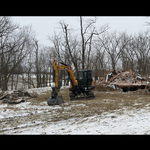
Building Site - Preparation and ClearingLandscape - Minor Grading or ReslopingExcavation - Major Grading or Resloping

Serving Salt Lick, KY and surrounding areas

Approved

Free estimates

Credit card accepted

Offers commercial services

"I give Grade A an A+. If you need dirt work done, they're the people to call. They do top quality work and you can tell take pride in it. Very dependable and stand by what they tell you. Great communication, honest, and excellent work all around. I wouldn't hesitate to recommend them to anyone needing excavator work. I will use them for anything I might need done in the future."
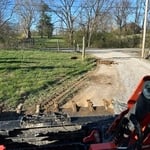
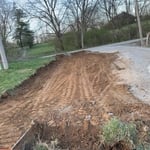
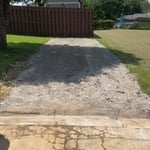
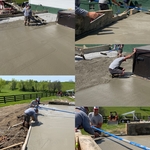
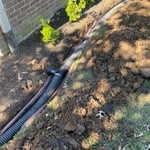
Drive way extension
Drive way extension
Drive way extension
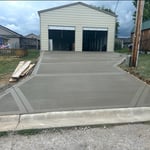
Parking pad
Parking pad

+11

25 neighbors recently requested a quote

Avatar for Unique Landscaping & Contracting, LLC
Unique Landscaping & Contracting, LLC
4.0(
12
)
Landscape - Minor Grading or Resloping

Serving Salt Lick, KY and surrounding areas

Approved

In business since 2020

Free estimates

Emergency services offered

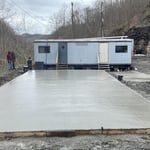
"I was grateful that they were willing to take on a small job of finishing some deck work. Kyle was professional and efficient in getting the work done. . I am very pleased with the work and look forward to calling on them again when needs arise."
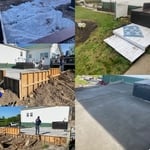
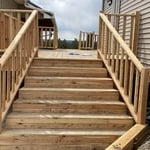
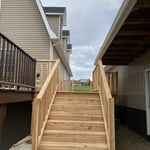
Front Steps
Front Steps
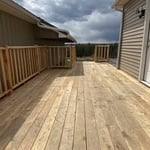
Decking
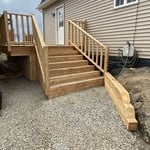
Back Steps
Over Hang Finish

+29

Response time2 days
1 neighbors recently requested a quote
Recommended by85%of homeowners
...
Showing 1-10 of 76
Excavating questions, answered by experts

The best type of soil to build on is a mixture of sand and clay, known as loam soil. Loam soil has the best combination of these soil types to build a foundation on. The clay particles help with water retention, so it won’t erode like sandy soil might, and the sandy particles help with drainage, so you won’t see unsafe soil expansion or have an increased risk of leaks from water sitting against your foundation.

Most states do not require excavation companies to hold specific licenses, but many require at least a contractor’s license. Additionally, heavy equipment operators require a special commercial equipment license to operate machinery required for excavation. You can use Angi’s contractor licensing tool to confirm that an excavation company you’re considering hiring is fully licensed. You should also make sure that the excavation team is fully insured before allowing them to work on your property.

The best way to protect tree roots is to avoid the roots entirely by excavating outside the root radius of the tree. For nearby projects, it’s a good idea to construct a temporary retaining wall. But that’s not always possible, depending on the project and the root system. In these cases, consider using alternative equipment like an auger to tunnel under the ground.

Remember, tree roots can damage nearby cement foundations as they grow. If a tree is close enough to interfere with large excavations, it may be better to remove the tree than risk future problems.

There are several methods to hollow out a tree stump, and the best one depends on your tools, experience, and priorities. Common methods include using a chisel and hammer, a chainsaw, or burning.

  • Chisel and Hammer: This is often considered the easiest approach for those with limited tools or experience, though it is the most time-consuming.

  • Chainsaw: Using a chainsaw is the fastest method, but it comes with significant safety risks, especially for inexperienced users.

  • Burning: This can be an effective method, but it is not recommended unless you can first drill holes into the stump. Without holes, the stump will be difficult to light and may not burn completely through.

A power drill with at least a ⅜-inch diameter bit can make the job quicker and easier, regardless of the primary method. While you can use a chisel or chainsaw without a drill, it will require more time and effort. Always wear protective goggles and thick gloves, as splinters are an inevitable risk.

The cost to drill a well varies, with a national average of around $5,500 for a 150-foot well. However, prices can fluctuate significantly based on several factors, including your location, the required well depth, geological conditions, local regulations, and the specific drilling methods used. For the most accurate cost assessment, it is best to research and get quotes from local well-drilling professionals in your area.

The Salt Lick, KY homeowners’ guide to excavation services

From average costs to expert advice, get all the answers you need to get your job done.