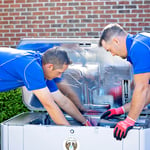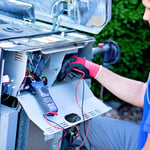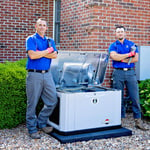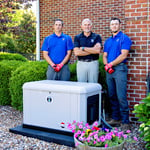









Top-rated generator install pros.

Get matched with top generator install pros in West Point, KY

Enter your zip and get matched with up to 5 pros

Need a pro for your generator install project in West Point, KY?

Select your specific project to find the pro for you.

Find Generator install pros in West Point

Quality Generator Services, LLC
New to Angi
Portable Generator - Repair

Serving West Point, KY and surrounding areas

In business since 2018

Small jobs welcome

Credit card accepted

We can take on a wide range of residential and commercial electrical projects to include full installation for additions and remodels as well as wiring/panel upgrades, and a variety of other projects. We take pride in the quality of our work and our commitment to outstanding results. We look forward to building strong, long-term relationships with our clients and guarantee your satisfaction.\n\n

Response time6 days
Response rate100%
William Thompson Electric Company
3.0(
7
)
Fixed Generator - InstallFixed Generator - RepairGenerator - Install - For Business+1 more

Serving West Point, KY and surrounding areas

In business since 2013

Free estimates

Emergency services offered

"Was on time. Explained everything he was doing. He had to put a new circuit breaker into our main electric box and run wiring to a new 220 outlet. Even was able to work with other trades people on site. Will hire this company again for our future electrical needs."
Response time8 hrs
Recommended by100%of homeowners
Apex Design Group Inc.
New to Angi
Fixed Generator - InstallFixed Generator - RepairGenerator - Install - For Business+1 more

Serving West Point, KY and surrounding areas

In business since 2000

Warranties offered

Small jobs welcome

Apex Design Group is a full?service construction and design?build firm specializing in custom pools, outdoor living spaces, and hardscapes. From concept to completion, we deliver tailored solutions that elevate residential and commercial properties. In addition to our expertise in aquatic design and outdoor environments, we also provide licensed electrical services, ensuring seamless integration of lighting, power systems, and mechanical equipment.\nOur team combines technical precision with creative design, offering:\n? Custom pool and aquatic facility design/build\n? Hardscape construction (patios, retaining walls, outdoor kitchens)\n? Electrical services (lighting, wiring, equipment hookups)\n? Comprehensive project management and site coordination

Showing 1-10 of 16
Generator Install questions, answered by experts

Generators are safe to use as long as they are installed and operated correctly according to the manufacturer's recommendations. The most critical safety tips are to never use a portable or fuel-powered generator inside an enclosed space due to the risk of lethal carbon monoxide poisoning; always operate it outdoors where fumes can dissipate away from your home. Additionally, never attempt to connect a generator to your home’s electrical panel yourself—hire a professional to ensure the setup meets safety standards. Finally, avoid overloading the generator by not connecting more appliances than it is rated for, as this can damage your equipment or cause a fire.

To determine the right size generator for your house, you should calculate the total wattage of the appliances and devices you want to power during an outage. List all essential items, note their start-up wattages, and add them together.

Here are some typical wattage requirements for common appliances:

  • Refrigerator: 600 watts

  • Large dehumidifier: 700 watts

  • Large window air conditioner: 1,400 watts

  • Water heater: 3,000 to 4,500 watts

  • Electric furnace: 5,000 to 25,000 watts

A 7,500-watt generator might be sufficient for essentials like a refrigerator, freezer, well pump, and lighting circuits. However, for high-demand items like a water heater or furnace, a whole-home generator is a better choice. A portable generator may be enough if you only need to power a few critical items.

While home square footage can offer a rough estimate, it is not always a reliable indicator. For reference, here are some typical generator sizes based on square footage:

  • 1,000 sq ft: 6–9 kW

  • 1,500 sq ft: 7–10 kW

  • 2,000 sq ft: 10–14 kW

  • 2,500 sq ft: 12–16 kW

  • 3,000 sq ft: 16–20 kW+

For the most accurate sizing, consult a professional who can calculate your home's peak and average power consumption and recommend the optimal generator.

DIY is possible for basic setups. Professional installation ensures safe and proper electrical connections.

While diesel is relatively stable, it won’t last nearly as long as propane and you may have to replace it if it sits unused for too long. Diesel can sometimes struggle to work efficiently or start engines during especially cold weather, so it’s not the best choice for every climate. Compared to fuels like propane and natural gas, diesel generators tend to be noisier and create more exhaust, which isn’t always ideal for home use.

It might seem counterintuitive, but installing a generator transfer switch will save you money in the long run. While you’ll have to pay between $400 and $2,500 to have the transfer switch installed, you’ll recoup that amount later on when you don’t have to pay for expensive repairs to your appliances, devices, and electrical system that may have burned out, overloaded, or stopped working due to a sudden loss of power or an incorrect hook up of a generator to your home

The West Point, KY homeowners’ guide to generator installs

From average costs to expert advice, get all the answers you need to get your job done.