





Top-rated fire pit installation pros.

Get matched with top fire pit installation pros in Stanford, KY

Enter your zip and get matched with up to 5 pros

Need a pro for your fire pit installation project in Stanford, KY?

Select your specific project to find the pro for you.

TRUSTED BY STANFORD, KY HOMEOWNERS

  • Average homeowner rating star icon4.4
    Average homeowner rating
  • Verified reviews icon43
    Verified fire pit installation services reviews

Find Fire pit installation pros in Stanford

Avatar for MWK Services LLC
MWK Services LLC
5.0(
1
)
Handyman for Multiple Small Projects

Serving Stanford, KY and surrounding areas

Approved

Free estimates

Small jobs welcome

Credit card accepted

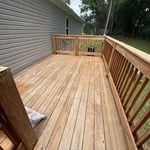
"Jeff was excellent and knowledgeable. He was on time and did the best job. He was on time and returned my previous phone calls. I would definitely use his services. A clean honest gentleman."
Deck restoration
Deck restoration
Deck refinish
Appliance repair
Appliance repair

+3

4 neighbors recently requested a quote

...
Showing 1-10 of 137
Fire Pit Installation questions, answered by experts

You can safely build a fire pit on your patio as long as you use porous, fire-resistant pavers or a fire pit mat over existing pavers. Otherwise, you’ll need to have exposed ground beneath your pit. You’ll also need to make sure the location for the fire pit is far enough away from your house and any other nearby structures.

Baseboard heaters are generally safe and efficient, but they can be dangerous if safety precautions are not followed. To ensure safety, do not block the heaters with furniture, drapes, open doors, or other items, and maintain clear space around them for proper heat flow. Regularly check that items have not fallen on or under the units. If you have children or pets, make sure they stay clear of hot heaters to avoid burns. For added safety, consider models with an automatic shut-off feature and have them professionally tested. If a problem occurs with a baseboard heater, always contact a qualified electrician or HVAC professional for repairs.

No, but they both serve distinct life-saving purposes. Smoke detectors primarily sense the presence of smoke, typically caused by a fire, and emit loud alarms to alert occupants to evacuate. In contrast, carbon monoxide detectors monitor the levels of carbon monoxide gas, an odorless and colorless but deadly substance produced by incomplete combustion of fuels. When CO levels become dangerous, CO detectors sound alarms to warn inhabitants of potential poisoning risks. 

A chimney liner isn’t required for an outdoor fireplace; you don’t technically need one if the masonry chimney uses the proper dimensions and is built to code. However, a chimney liner does serve as a protective coating for the flue. Adding a liner could improve performance, safety, and durability. In short, while not necessary, it wouldn’t hurt.

Attics often contain a mix of insulation, electrical wiring, and other materials that can pose fire risks. That’s why furnaces should be installed in the attic with proper insulation and clearance from combustible materials. Additionally, the furnace should be equipped with proper ventilation and heat shields to prevent the buildup of excessive heat in the attic space. Regular inspections and maintenance are also crucial to identify and address any potential fire hazards.

The Stanford, KY homeowners’ guide to fire pit installation services

From average costs to expert advice, get all the answers you need to get your job done.