




Top-rated fire pit installation pros.

Best fire pit installation pros near Paint Lick, KY

Enter your zip and get matched with up to 5 pros

Need a pro for your fire pit installation project in Paint Lick, KY?

Select your specific project to find the pro for you.

TRUSTED BY PAINT LICK, KY HOMEOWNERS

  • Average homeowner rating star icon4.4
    Average homeowner rating
  • Verified reviews icon153
    Verified fire pit installation services reviews

Top-Rated Fire pit installation pros in Paint Lick - Updated Nov 2026

Avatar for Icon Maintenance & Construction, LLC
Icon Maintenance & Construction, LLC
5.0(
4
)
Handyman for Multiple Small Projects

Serving Paint Lick, KY and surrounding areas

Approved

In business since 2024

Free estimates

Emergency services offered

"Gerren replaced a hot water heater and installed a dishwasher for my daughter. He also put in a new furnace for me. Gerren was always quick to respond to our needs. He is very knowledgeable in his field. Gerren is very professional and polite. He does superb work! I highly recommend him!!!"
5 neighbors recently requested a quote
...
Showing 1-10 of 161
Fire Pit Installation FAQs, answered by experts

Poorly designed and incorrectly installed outlets can create an electrical fire hazard, as do some phone chargers and adapters that plug into these outlets. However, most outlets are perfectly safe as long as they remain in working condition. Keep an eye on what you are plugging into the outlet and stay alert for signs of outlet malfunction, like sparks, burning smell, or frequent circuit tripping.

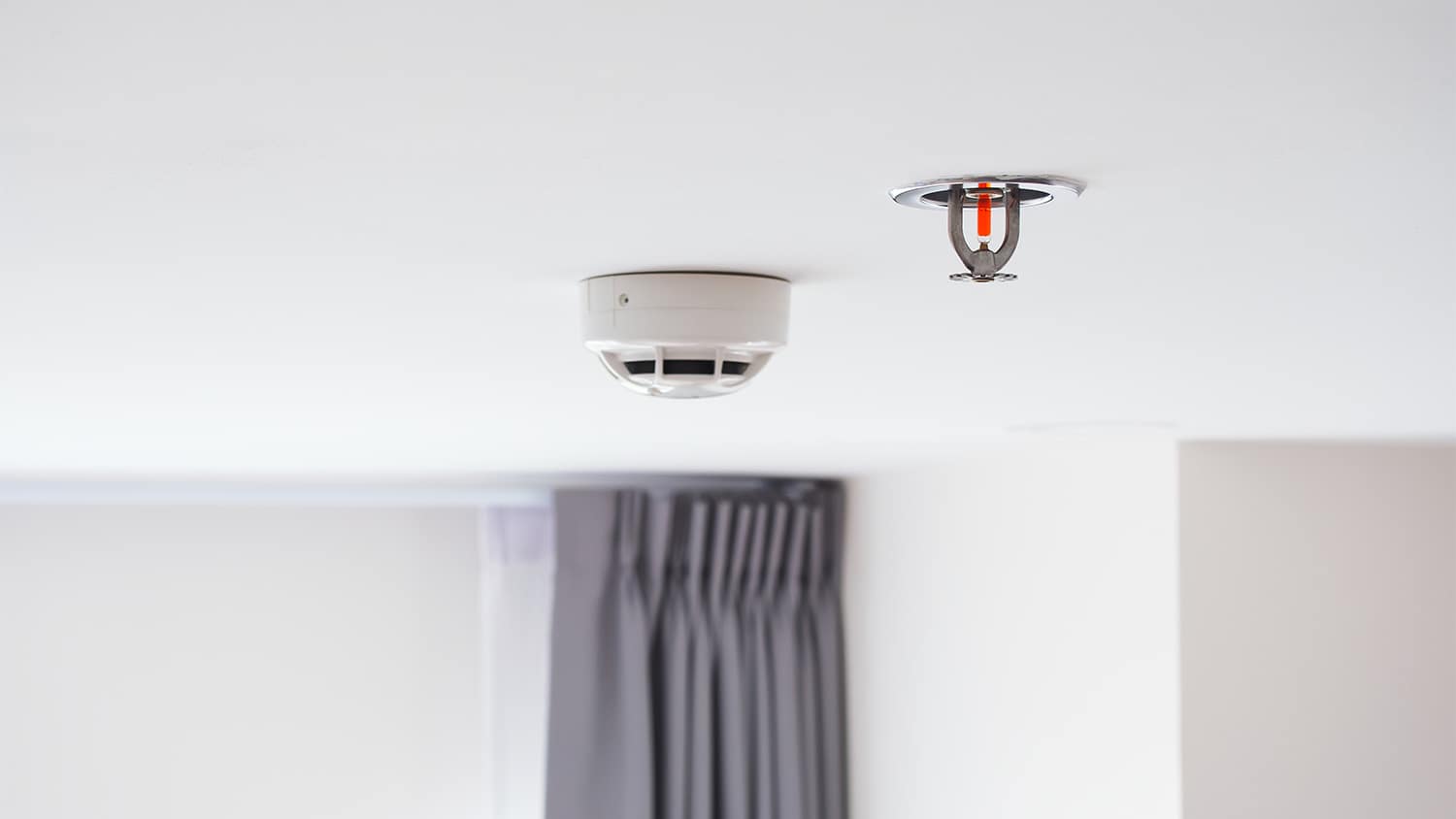
No, but they both serve distinct life-saving purposes. Smoke detectors primarily sense the presence of smoke, typically caused by a fire, and emit loud alarms to alert occupants to evacuate. In contrast, carbon monoxide detectors monitor the levels of carbon monoxide gas, an odorless and colorless but deadly substance produced by incomplete combustion of fuels. When CO levels become dangerous, CO detectors sound alarms to warn inhabitants of potential poisoning risks. 

Yes, you should seal and cap an unused chimney to protect it from damage. Sealing the structure helps prevent moisture damage, which can lead to issues like cracks, spalling, efflorescence, and damaged mortar joints. Capping the chimney is also crucial to prevent blockages, damage from invasive critters, and downdrafts, while still allowing for proper air ventilation to manage moisture. For the best results, consult a chimney professional to select the right type of chimney or flue cap for your home. It's also wise to continue with annual chimney inspections to maintain the structure's integrity.

No. Pellet stoves are specifically designed to burn manufactured wood or biomass pellets. Attempting to burn other materials, such as regular firewood or paper products, can damage the stove, compromise its efficiency, and even pose safety hazards due to inconsistent combustion and increased emissions. It's crucial to follow manufacturer guidelines and only use pellets that are specifically recommended for your pellet stove model to ensure safe and optimal performance over its life span.

Concrete homes have better fire resistance because this material is highly resistant to fire and heat. But any paint, siding, windows, roofing, or other materials on a concrete home may still be flammable. Never try to stay in a building with a large, active fire or a wildfire approaching because this can still be deadly. However, building a fireproof home with concrete can better protect the structure against total destruction.

The Paint Lick, KY homeowners’ guide to fire pit installation services

From average costs to expert advice, get all the answers you need to get your job done.