Top-rated lead testing and removal specialists.

Best lead testing and removal specialists near Stamping Ground, KY

Enter your zip and get matched with up to 5 pros

Need a pro for your lead testing and removal project in Stamping Ground, KY?

Select your specific project to find the pro for you.

Top-Rated Lead testing and removal specialists in Stamping Ground - Updated Nov 2026

Avatar for BreathSafe Radon and Moisture Control
BreathSafe Radon and Moisture Control
4.2(
9
)
Toxic Lead - Testing

Serving Stamping Ground, KY and surrounding areas

In business since 2023

Free estimates

Emergency services offered

"It went great! I have a home where the system was not easy to install, but they stayed until it was finished. A test kit was left to see if it was working properly, but they added that they would return if our radon wasn't lowered. IT WAS!! Money very well spent"
Additional Photos
Additional Photos
Additional Photos
Additional Photos
Additional Photos

+5

Recommended by85%of homeowners
Asbestos Mold Demolition
New to Angi
Toxic Lead - Abatement

Serving Stamping Ground, KY and surrounding areas

Free estimates

Credit card accepted

Offers commercial services

Our company invites you to experience prompt service and superior attention to detail. Our customer satisfaction is our top priority. We will earn your trust for a lifetime. We believe in making all clients repeat clients. You can be assured you're in good hands with our company working on your home improvement project. If you are looking for a contractor that follows business practices such as promptly returning phone calls, arriving on time for appointments and following through on promises then call our reputable company today We will be the one and only contractor you'll ever need. Call us today you'll be pleased you did. Thank you! \n

Lead Testing and Removal FAQs, answered by experts

Avoid disturbing suspected lead-containing materials and follow professional guidance on sample collection.

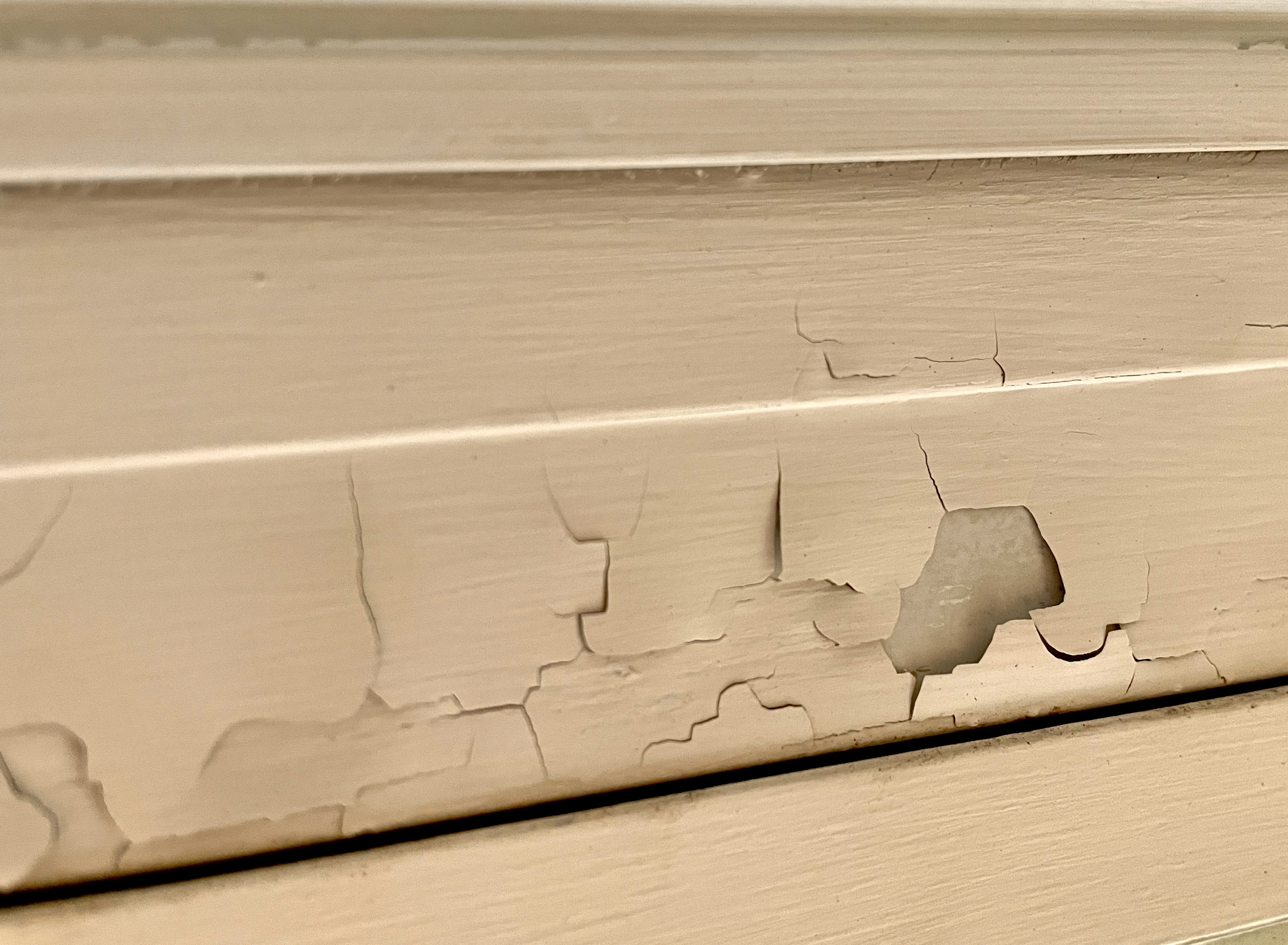
Lead toxicity comes from inhaling lead or consuming it. Before the 1980s, when the government banned lead from consumer use, it could be found in paint, plumbing, pipes, ceramics, and even gasoline. Lead paint is toxic for the same reason lead itself is toxic, which is why lead poisoning from paint presents the same as lead poisoning from water or food sources, with a slight increase in respiratory symptoms vs. digestive symptoms. Lead paint is most dangerous when it’s old and peeling, cracking, or otherwise disturbed. This increases the concentration in the air and, therefore, in breathable air. 

Some causes of brown well water—like excess tannins or dissolved iron—don’t pose a health risk. In other cases, harmful bacteria might be the culprit. If your well water has suddenly turned brown, it’s a good idea to use a home water test kit to get a better sense of what’s going on with your water. Consider calling a professional for an expert opinion before drinking the water and hoping for the best.

No, a standard home inspection includes the basics and does not offer lead paint testing. Professional lead paint inspectors need specific licenses to perform these inspections, which not all home inspectors have. If you suspect lead paint in the home you are about to purchase, you will need to pay separately to have that done. If the findings come back positive, you may be able to negotiate with the buyer to cover the cost of the removal.

According to the Environmental Protection Agency (EPA), hazardous waste is generally classified into four main categories:

1. Characteristic Wastes: These exhibit at least one of four hazardous traits: ignitability (flammable, like gasoline), corrosivity (can rust or decompose materials, like car batteries), reactivity (unstable and can explode, like aerosol cans), or toxicity (harmful when ingested, like lead-based paint).

2. Listed Wastes: These are specific wastes from manufacturing and industrial processes that the EPA has officially designated as hazardous. They include byproducts from processes that use solvents, pesticides, and other chemicals.

3. Universal Wastes: These are commonly generated hazardous items that are subject to streamlined regulations. Examples include batteries, pesticides, mercury-containing equipment (e.g., bulbs), and some lamps.

4. Mixed Wastes: This category includes waste that contains both hazardous and radioactive components, making it subject to regulation by both the EPA and the Nuclear Regulatory Commission.

The Stamping Ground, KY homeowners’ guide to lead testing and removal services

From average costs to expert advice, get all the answers you need to get your job done.