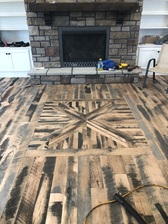

Thinset mortar is the best adhesive for ceramic tiles on concrete. It is easy to work with and has a slower dry time than mastic or epoxy mortars. This longer dry time gives the installer more time to adjust tiles, which is especially useful for DIYers who may not have tile installation experience. It can also be built up to help level any depressions or gaps in the concrete subfloor.
Pool remodel costs are pricey, so you want to make sure you do it right. The best pool tile for you is one that looks great and fits your budget. If you have your heart set on a particular tile but can’t afford to tile your whole pool in that style, consider tiling only a small area or portion of your pool with specialty tile.
When choosing between porcelain and ceramic tile, the best option depends on your specific needs, budget, and project application. Porcelain tile is generally more durable, denser, and harder than ceramic, making it a good choice for busy, high-traffic areas. It also offers superior moisture resistance, making it ideal for moisture-retaining spaces. However, porcelain is typically more expensive, and its hardness can make it brittle, potentially causing it to crack if a heavy object is dropped on it. In contrast, ceramic tile is a more budget-friendly option with lower material and installation costs. It is softer and easier to work with, making it a great choice for DIY projects. While not as durable as porcelain, ceramic is still a quality material suitable for many home applications, particularly small, decorative projects.
There isn’t a one-size-fits-all best tile for a dog shower. Consider your budget, tile durability, aesthetics, and, most importantly, practicality. Avoid tiles your dog will slide around on. Pebbles are a great non-slip option, but are pricey and tricky to install. Glass might look modern, but it’s not scratch-resistant. Small, floor-rated ceramic or porcelain tiles are economical and have many grout lines that make the surface more slip-resistant. Pick a matte finish rather than a shiny tile if you want it to hide stray mud and hairs better.
Yes, you can tile over existing shower tiles, but it's better to remove the old tiles first for the best results. Tiling over existing tiles requires a clean, level surface and proper adhesion. If the old tiles are in good condition, you can roughen the surface to improve adhesion. However, removing the old tiles ensures a smoother, longer-lasting finish and prevents potential issues down the line.
The Stamping Ground, KY homeowners’ guide to ceramic tile services
From average costs to expert advice, get all the answers you need to get your job done.
Whether it’s on your floor, walls, or shower, ceramic tile can add style to your space. So, how much does ceramic tile installation cost? Let’s break it down.
Ceramic tile as a flooring option boasts a long list of advantages over other surfaces. However, there are also some key drawbacks worth considering. We’ve rounded up both the pros and the cons of ceramic tile into a helpful list.
You don’t always need a pro for ceramic tile installation. Follow these seven simple steps to transform the floor of any room in your home into the perfect space.
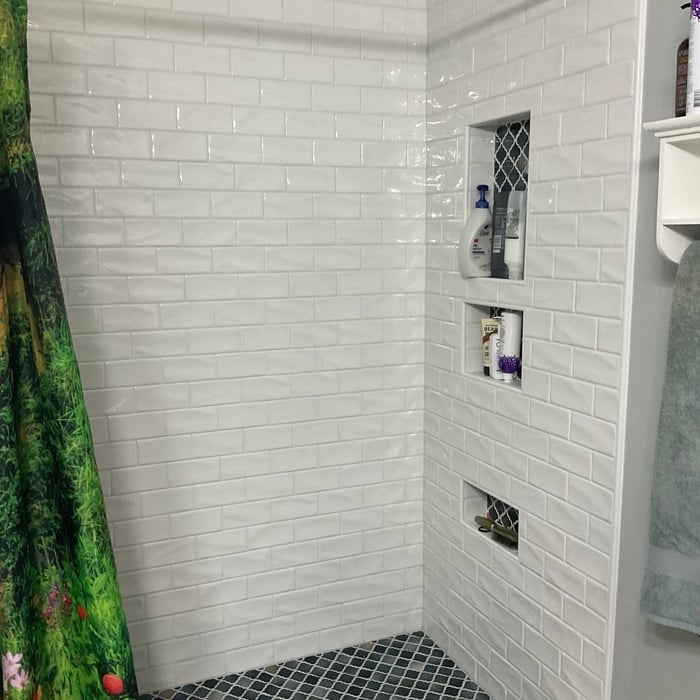
Renovating your bathroom? From classic chic to contemporary cool, we’ve got the lowdown on the best tile for shower walls and the greatest shower floor tiles.
Looking for new bathroom tile to freshen up your space? Use this guide to find the best tile for your bathroom floor for appearance, longevity, and durability.