"I just pay $75 you never know who's going to come out. They do everything electrical. Just about everything is covered except the septic tank. I had an air conditioner replaced. It went great, all I had to do was pay for the freon. He didn't charge e more than what was needed."
Stumpy's is committed to excellence in every aspect of our business. We uphold a standard of integrity bound by fairness, honesty, and personal responsibility. Our distinction is the quality of service we bring to our customers. Accurate knowledge of our trade combined with ability is what makes us true professionals. Above all, we are watchful of our customers' interests, and make their concerns the basis of our business.
We pride our company on reliability, great communication, integrity, and quality work. Our top priority is customer satisfaction and will go the extra mile. We are experts in our trade and will work with you from conception to competition. We strive in making all clients, repeat clients.
\n
\nCall us today you'll be relieved you did. Thank you
Most well pump pressure switches have a factory setting of 30 to 50 PSI. There’s some flexibility with this if you’d like a lower or higher water pressure, but remember that it should sit 2 to 3 PSI above your well tank’s general pressure setting.
The inside of your pressure switch cover will usually indicate minimum and maximum settings—going below and above the numbers might damage your well pump.
Most deep wells can be expected to last somewhere between 30 and 50 years. This assumes that the well and all of its components are properly maintained on a regular basis. During this time, it is unlikely that modern deep wells will run dry over the course of their typical lifespan. That is one of the biggest benefits of digging a deeper well.
There should be a red button or an on/off switch on or in your box. Press the button or flip the switch, then turn it back on by doing the same action again. If this doesn’t work, reset the breakers inside the box by flipping them off and back on again. After this, your alarm should stay off if there’s nothing wrong with your system. However, if the alarm is still sounding and there’s still a red light on, it’s time to call a pro for a diagnosis.
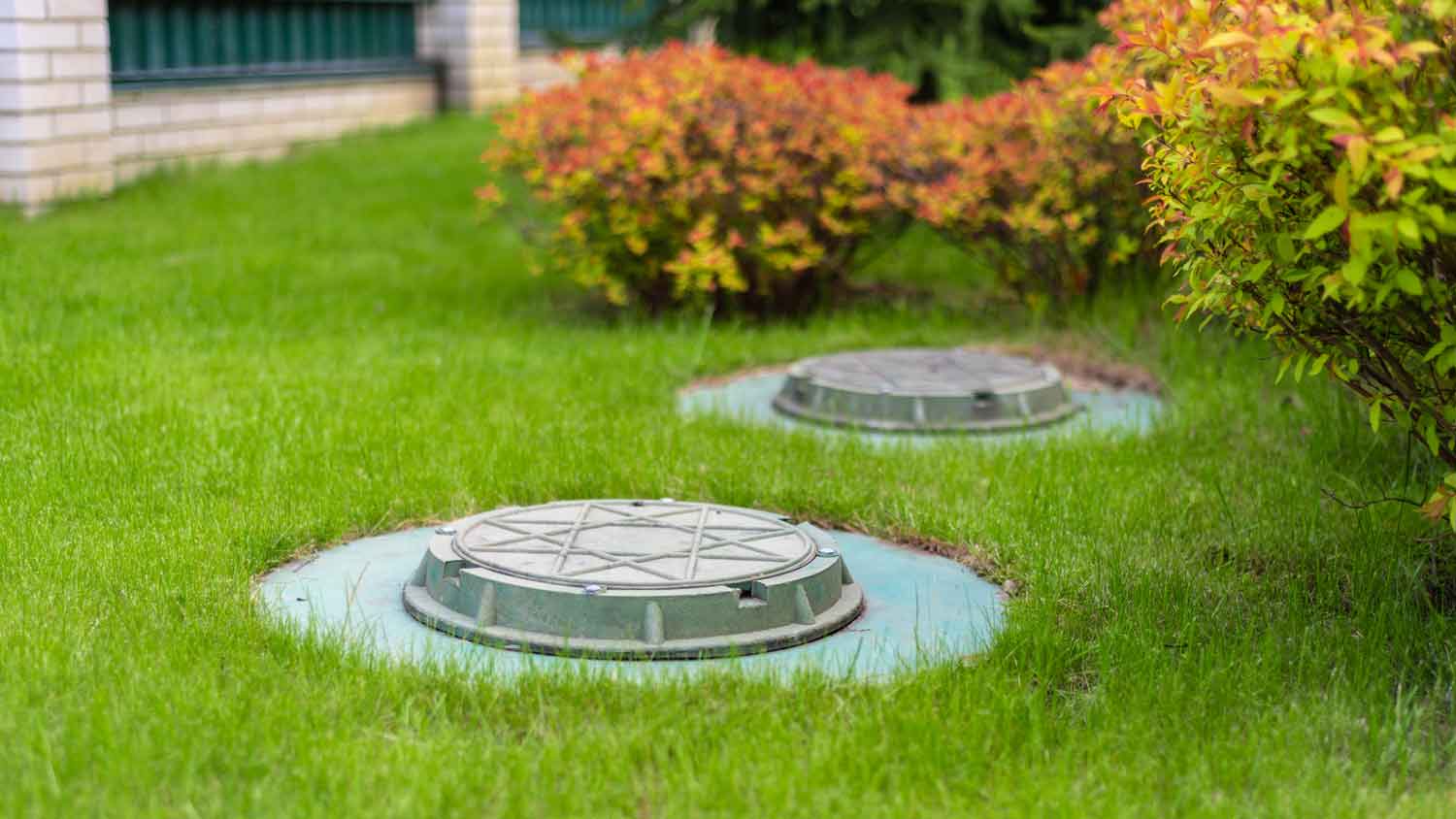
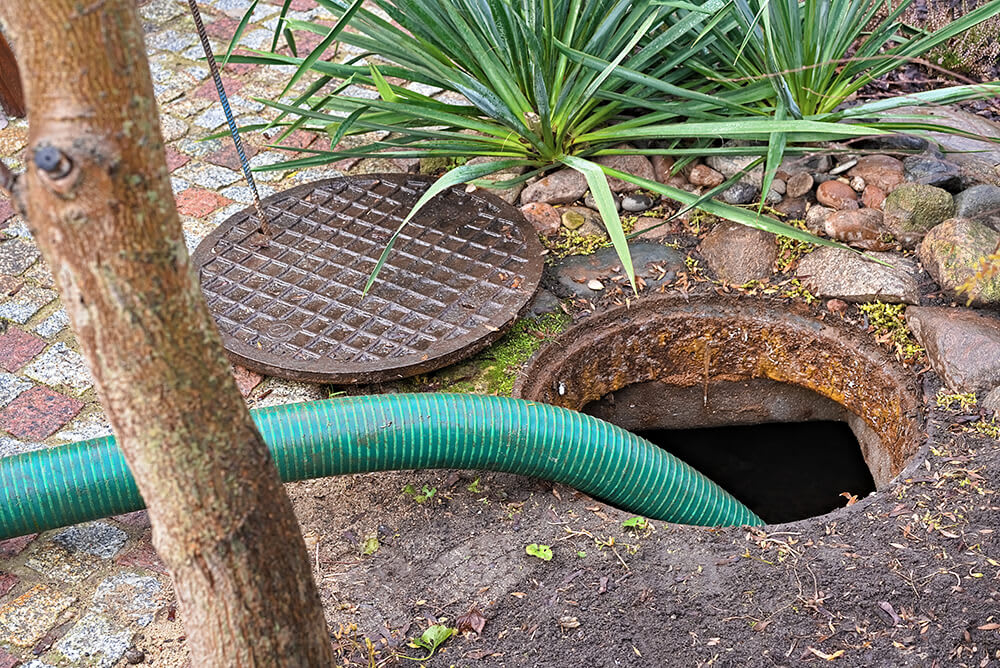
Yes. A metal detector is one of the quickest and easiest ways to find your septic tank. However, metal detectors can be too expensive (costing upward of $300 in some cases), and not everyone has a metal detector just lying around. If that’s the case for you, you can also take a long metal rod and poke it into the ground at regular intervals until you hit something—likely your septic tank lid.
Yes, a septic tank riser can replace a concrete septic tank lid. Risers are designed to replace various types of septic tank covers, including concrete, metal, and fiberglass, to provide easier access for pumping and repairs. While a plastic riser makes future access more convenient, the initial replacement can be difficult because concrete lids are very heavy, so it is a job best left to professionals. Once installed, you will need to be cautious around the riser during yard work, such as mowing, to avoid causing damage.
The Pine Knot, KY homeowners’ guide to septic tank services
From average costs to expert advice, get all the answers you need to get your job done.
Caring for your septic system is crucial to ensuring its long life. But how much does it cost to pump a septic tank? We explore the different cost factors.
It’s crucial to install a septic tank with the right volume to avoid wastewater backups. This guide will help you calculate the right septic tank volume.
Septic tank sizes vary depending on the size of your home, how many people live there, how much water you use, and more. Read on to learn how to determine the right size for you.