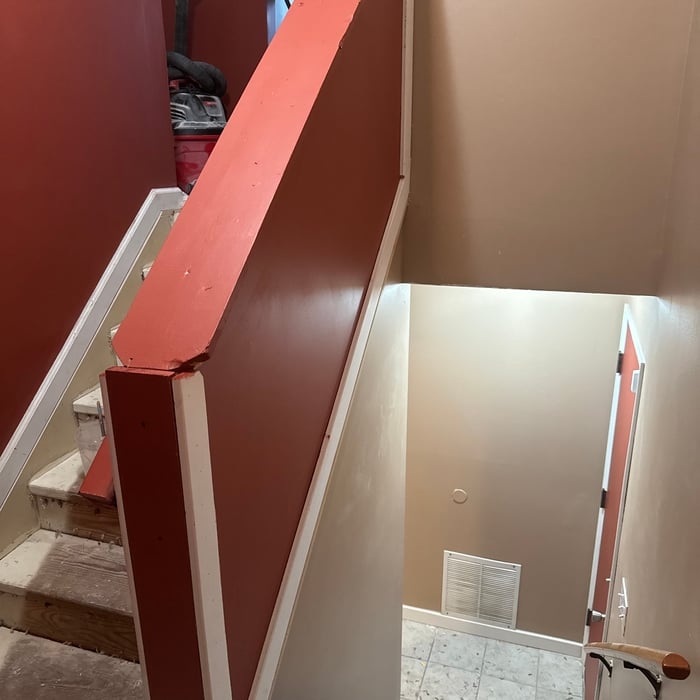

Top-rated drywall pros.

Get matched with top drywall pros in Hardin, KY

Enter your zip and get matched with up to 5 pros

Need a pro for your drywall service project in Hardin, KY?

Select your specific project to find the pro for you.

TRUSTED BY HARDIN, KY HOMEOWNERS

  • Average homeowner rating star icon4
    Average homeowner rating
  • Verified reviews icon19
    Verified drywall services reviews

Find Drywall pros in Hardin

Avatar for Taylor's Home Haven LLC
Taylor's Home Haven LLC
4.9(
9
)

Serving Hardin, KY and surrounding areas

Approved

In business since 2018

Free estimates

Emergency services offered

"The job was completed on schedule, with some long nights put in. My wife has hardly left the porch since they screened it in. Customer service was without compare. A more energetic team would be hard to come by."
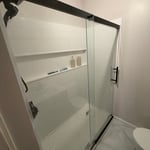
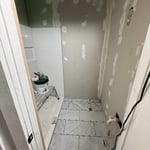
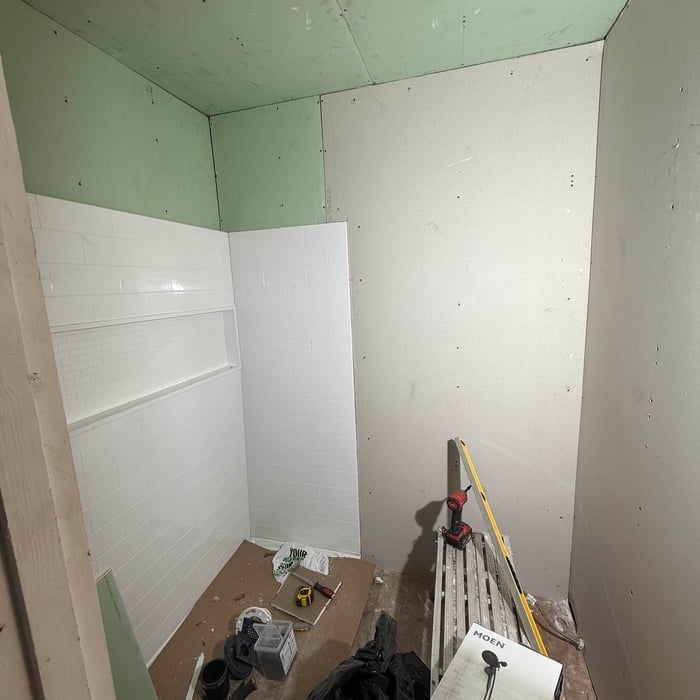
Bathroom remodel
Bathroom remodel
Bathroom remodel
33 neighbors recently requested a quote
Recommended by75%of homeowners

...
Showing 1-10 of 67
Drywall questions, answered by experts

While certain types of textured walls can seem dated (looking at you, popcorn), textured walls are a common sight in both older and more modern homes. The main reason textured walls may be here to stay is that they are an excellent way to hide minor imperfections on a wall and give it a finished appearance. Some homeowners think a coat of paint on drywall is a bit industrial-looking. However, that look works perfectly in modern home design

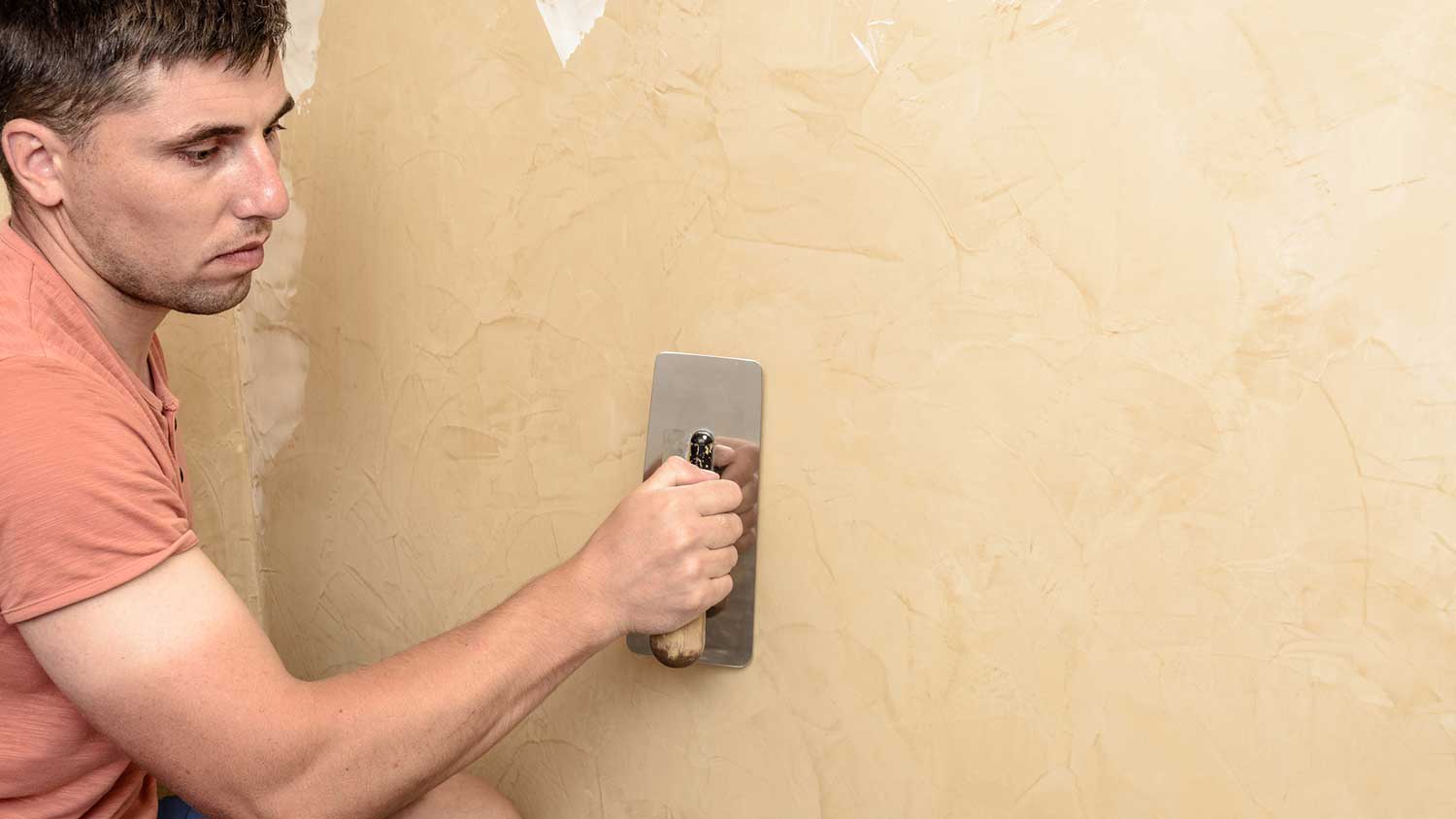
You can plaster over regular drywall, but it's essential to prepare the surface properly. Before plastering, the drywall should be clean, free of dust, and any loose or peeling paint should be removed. Applying a primer specifically designed for plastering can improve adhesion. Some professionals recommend applying a base coat of plaster or joint compound to create a better surface for the plaster to adhere to. Proper preparation ensures a smooth and durable plaster finish over regular drywall.

While a normal moisture level for drywall is between 5% and 12%, replacement is recommended if you get consistent readings above 17%. At this level, the drywall is likely too compromised by extensive moisture damage to be considered safe. You can replace either the entire sheet or just the affected section. If you are unsure after a visual inspection, it is best to have a contractor or water restoration provider use a professional moisture meter to get an accurate reading.

Although they have similar applications, spackle and joint compound are not the same. Their primary differences lie in their composition, consistency, and ideal use cases.

Spackle is composed of gypsum and binding agents, making it thicker than joint compound. It dries quickly and is easy to sand, which makes it ideal for small wall repair projects like filling nail holes or patching minor damage.

Joint compound, also known as drywall mud, consists of limestone and gypsum. It is primarily used for large-scale projects, such as taping and finishing the seams on newly installed drywall. It tends to shrink more than spackle and can be more difficult to spread.

While both products can be used to fill small depressions and cracks, spackle cannot replace joint compound for taping and mudding new drywall. Conversely, you can often use joint compound for small patching jobs typically done with spackle.

Vinegar and bleach are effective options for removing mold from drywall. Vinegar is a better choice if you have a smaller mold issue while bleach is best if you have a larger mold problem. If the area you're cleaning has limited ventilation, using vinegar would be a better option. In that case, you could mix vinegar with baking soda to remove more stubborn mold growth.

The Hardin, KY homeowners’ guide to drywall services

From average costs to expert advice, get all the answers you need to get your job done.