





Taran Herman
Lawn Care - Maintain and Mow a Lawn
Serving Gray, KY and surrounding areas
Approved
I have a truck and trailer
*The Angi rating for Mulch And Topsoil Service companies in Gray, KY is a rating based on verified reviews from our community of homeowners who have used these pros to meet their Mulch And Topsoil Service needs.
*The HomeAdvisor rating for Mulch And Topsoil Service companies in Gray, KY is a rating based on verified reviews from our community of homeowners who have used these pros to meet their Mulch And Topsoil Service needs.
Last update on August 17, 2026
Serving Gray, KY and surrounding areas
Approved
I have a truck and trailer
Serving Gray, KY and surrounding areas
Approved
In business since 2000
Free estimates
Customers say: Quick response
"Real satisfied with their work. Anytime I would call they would be there. They consistently outbid everyone. They are our first call."
Serving Gray, KY and surrounding areas
Approved
In business since 2002
Free estimates
Offers commercial services
"They were since the beginning on top of things, very prompt, arrived on time, and did a great job."

Serving Gray, KY and surrounding areas
Approved
Free estimates
Small jobs welcome
I’m the owner of Hoskins Digging! I’m looking for more jobs and more opportunities, I’ll do you right and price the jobs as fair as possible and I’ll show up!
Serving Gray, KY and surrounding areas
Approved
Free estimates
Small jobs welcome
I’m looking to make some extra money with my pickup truck part time
Serving Gray, KY and surrounding areas
Approved
Free estimates
Small jobs welcome
Offers commercial services
Locally owned and Operated business, offering many services, from hauling to hydroseeding, machine repair and much more! I would love to serve you as a part of our growing community!
Serving Gray, KY and surrounding areas
Approved
I am the owner/operator of precision mowing and landscaping. I have 25 years experience. I take pride in the service I provide to my customers. I am confident that my prices and work will speak for itself. Free estimates for any job. No job too big or too small. Commercial mowers with professional service at prices you cannot deny.
Serving Gray, KY and surrounding areas
Approved
Free estimates
Small jobs welcome
I have been in the home building and remodeling business for over 15 years and I have a vast knowledge about electrical and well pretty much everything around the house.
Serving Gray, KY and surrounding areas
Approved
My name is Trenton Canada from southeastern, ky looking to spread my range of customers and looking forward to taking care of any lawn care you need!

Serving Gray, KY and surrounding areas
In business since 2013
Emergency services offered
Credit card accepted
"Leondre and partner were prompt, professional and friendly. Took care moving my furniture. Wouldn’t hesitate to recommend them."


+152
From average costs to expert advice, get all the answers you need to get your job done.

The cost of topsoil varies based on the size of the area and the depth, as well as prep and labor. This article covers everything to factor into your budget.
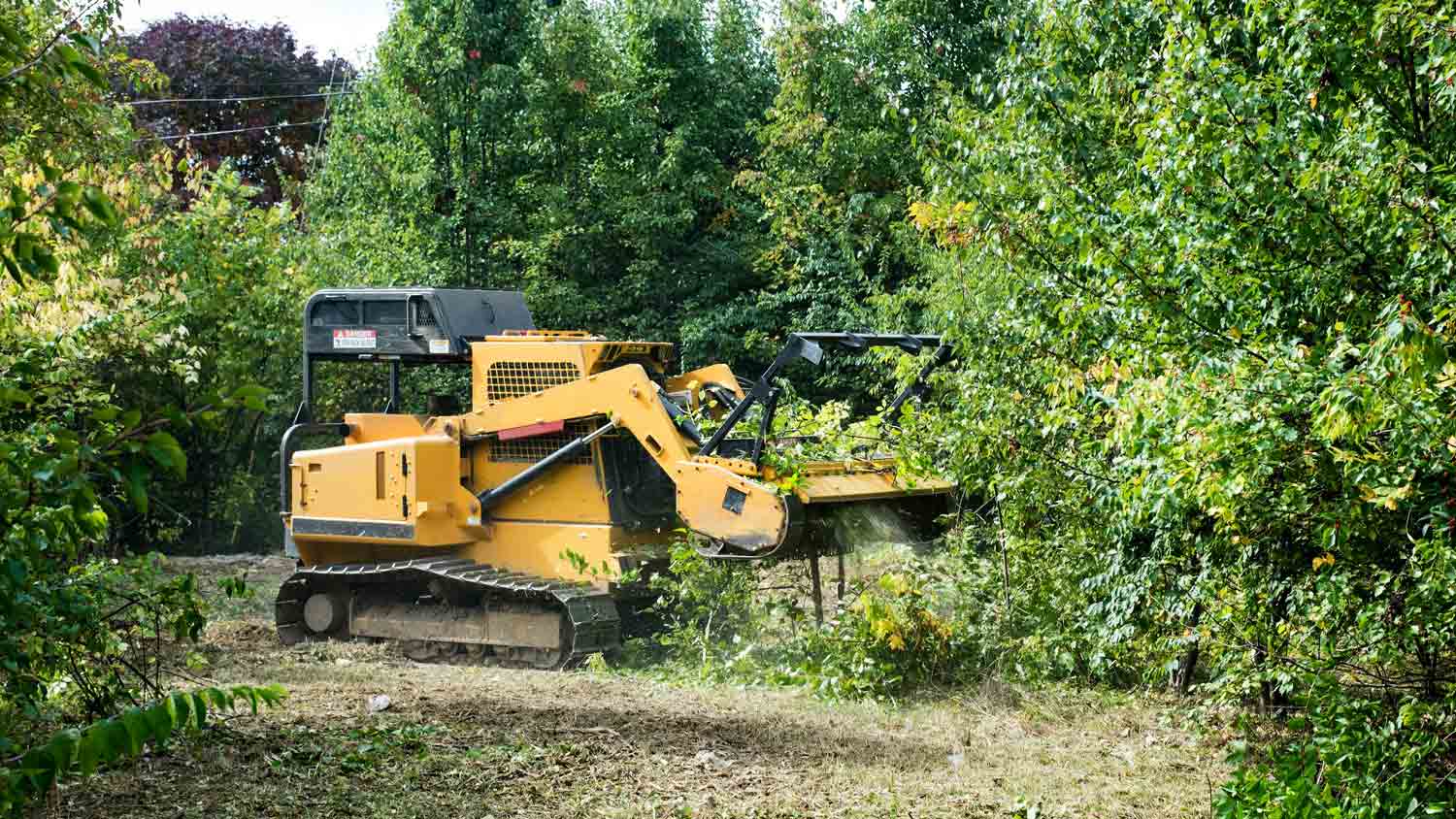
Discover the average forestry mulching cost, including per-acre and hourly rates, plus key factors that impact your total price. Get expert tips to save on your project.
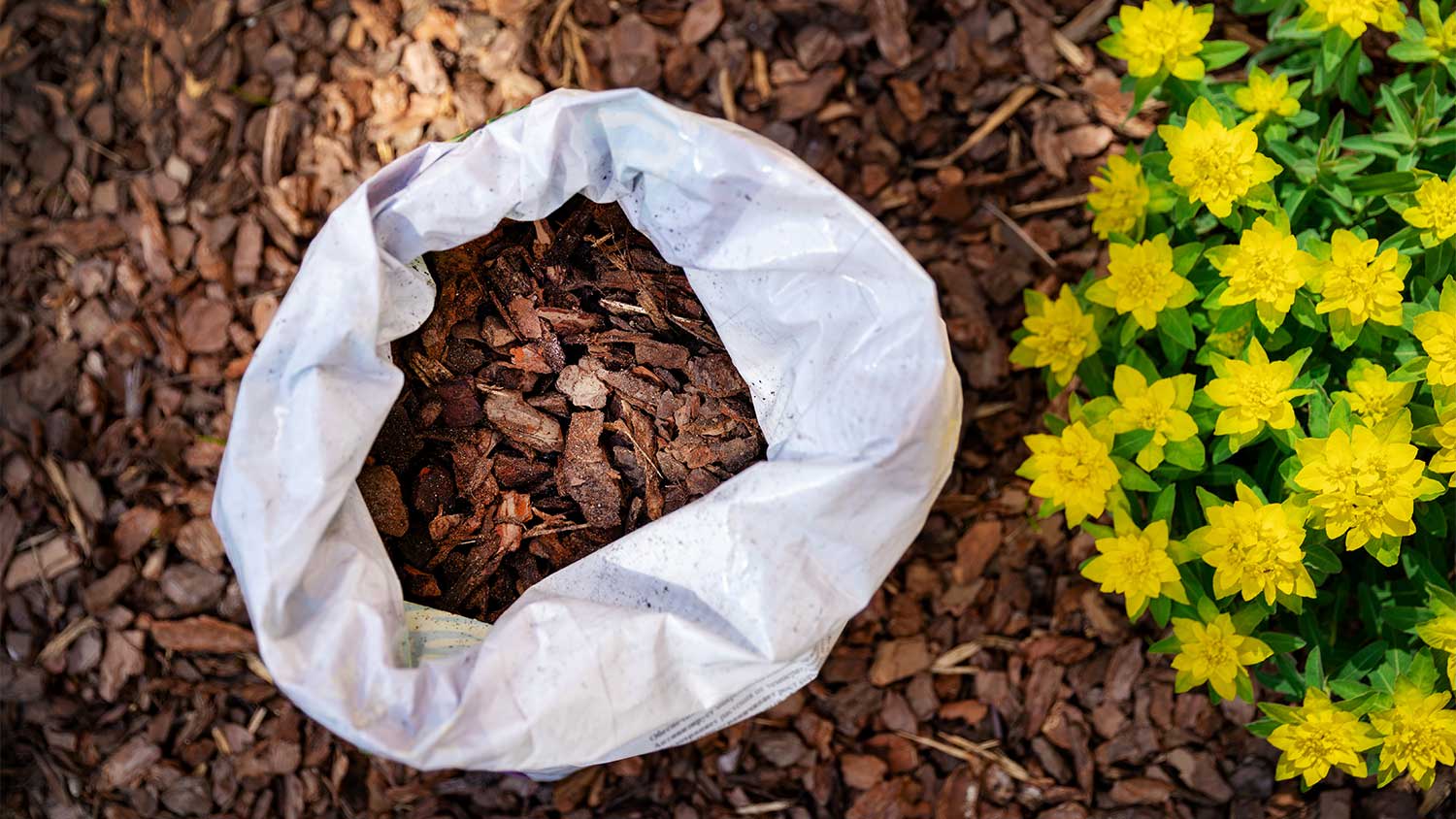
Find out the average mulch delivery and installation cost, plus key factors that impact your price. Learn how to budget, compare options, and save on your landscaping project.
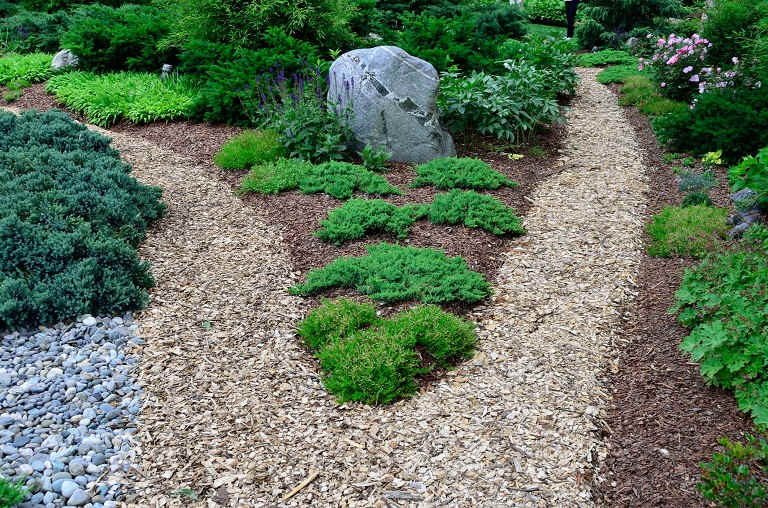
Different types of mulch have different uses in your landscaping. Learn which mulch types are best to use on your property.

Not sure whether to use black or brown mulch? Learn how each type affects your soil, plants, and garden style so you can pick the right fit.
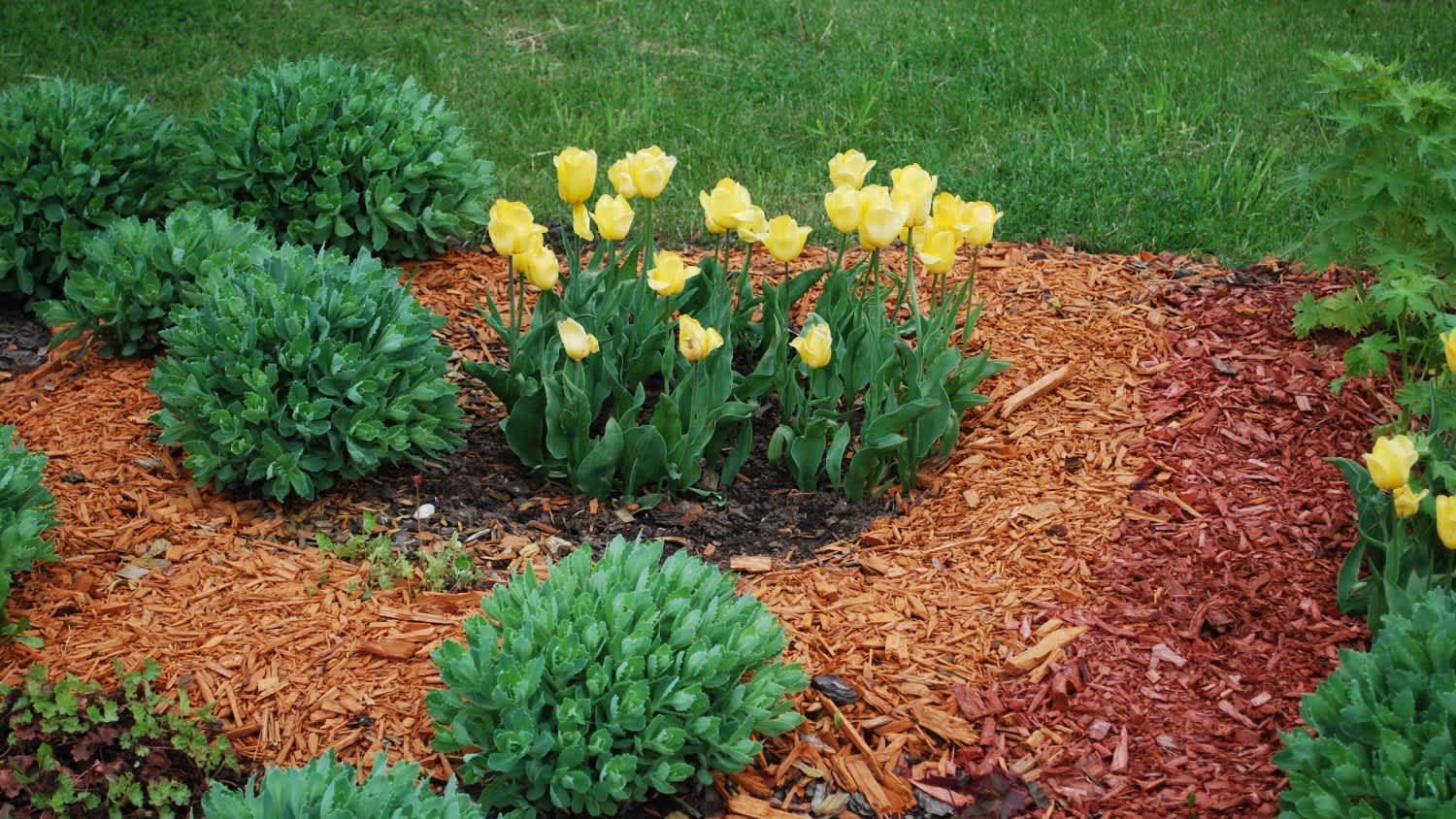
Organic mulch improves soil quality, holds in moisture, and helps plants thrive, but how does it work? Learn how mulch can improve your yard.