




Top-rated energy efficiency auditors.

Get matched with top energy efficiency auditors in Gray, KY

Enter your zip and get matched with up to 5 pros

Need a pro for your energy efficiency auditing project in Gray, KY?

Select your specific project to find the pro for you.

Find Energy efficiency auditors in Gray

Avatar for Renewable Engineered Systems
Renewable Engineered Systems
4.7(
12
)
Energy Audit - For BusinessHome Energy Audit

Serving Gray, KY and surrounding areas

In business since 1998

Free estimates

Emergency services offered

"Wonderful, it was a very quick and easy process. Brian talked us through it and in no time we had a 3KW system mounted on a frame in the garden and the invertor installed in the basement. Brian talked us through working with our power company to get the system checked and approved and we now get credits from the power company for power we provide to the grid. In addition we are set up to get Solar Renewable Energy Credits (SRECs) payments for providing clean energy. We also got a free Energy Audit which helped locate some problems areas we were able to fix. The system has basically cut our energy costs in half. I have hesitation in recommending them to anyone interested in solar energy."
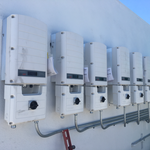
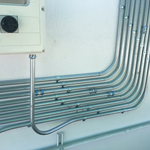
Additional Photos
Additional Photos
Additional Photos
Additional Photos
Additional Photos

+14

Recommended by100%of homeowners
Energy Efficiency Auditing questions, answered by experts

R-value measures an insulation material's thermal resistance, indicating its ability to resist heat transfer. A higher R-value signifies better insulation performance because the material is more effective at slowing heat flow. The R-value depends on the type, thickness, and density of the insulation material, such as fiberglass, foam, or cellulose. Each inch of insulation typically provides an R-value between 3 and 8. There is no single universal R-value; the optimal choice depends on your climate zone. Colder climates require a much higher R-value than warmer ones to maintain energy efficiency, keep the home warm in winter and cool in summer, and manage costs.

R-value is calculated by dividing the thickness of an insulation material by its thermal conductivity. The material's composition and density influence thermal conductivity. Materials with lower conductivity values provide better insulation. The higher the R-value, the better the material is at insulating, helping homeowners select insulation that meets the energy needs of their climate and home layout.

Yes, these services often increase home value by preventing moisture-related issues and enhancing the usable space in basements or crawlspaces.

A blower door test shouldn’t take more than an hour, and most can be completed in less than 30 minutes. Expect the test to take longer once you start searching for leaks with thermal imaging or want to include sealing such leaks in the time estimate. The test doesn’t take much time and can’t be rushed, but it will take longer in large homes or those with many air leaks.

After you receive your audit and report, review the findings and determine which of the prescribed changes you want to make to improve your home’s energy efficiency. Start by contacting the type of professionals recommended by the auditor who can help you remedy the issues discovered during the audit. Prioritize the projects by urgency, importance, and budget. Then, gather estimates from several professionals, remembering to verify any necessary licensing and experience information.

The Gray, KY homeowners’ guide to energy efficiency auditing services

From average costs to expert advice, get all the answers you need to get your job done.