





Top-rated energy efficiency auditors.

Best energy efficiency auditors near Corbin, KY

Enter your zip and get matched with up to 5 pros

Need a pro for your energy efficiency auditing project in Corbin, KY?

Select your specific project to find the pro for you.

Top-Rated Energy efficiency auditors in Corbin - Updated Nov 2026

Avatar for Renewable Engineered Systems
Renewable Engineered Systems
4.7(
12
)
Energy Audit - For BusinessHome Energy Audit

Serving Corbin, KY and surrounding areas

In business since 1998

Free estimates

Emergency services offered

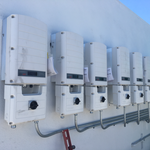
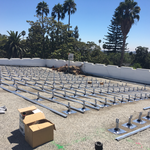
"Wonderful, it was a very quick and easy process. Brian talked us through it and in no time we had a 3KW system mounted on a frame in the garden and the invertor installed in the basement. Brian talked us through working with our power company to get the system checked and approved and we now get credits from the power company for power we provide to the grid. In addition we are set up to get Solar Renewable Energy Credits (SRECs) payments for providing clean energy. We also got a free Energy Audit which helped locate some problems areas we were able to fix. The system has basically cut our energy costs in half. I have hesitation in recommending them to anyone interested in solar energy."
Additional Photos
Additional Photos
Additional Photos
Additional Photos
Additional Photos

+14

Recommended by100%of homeowners
Energy Efficiency Auditing FAQs, answered by experts

A small sump pump running infrequently uses an average of 10 kilowatt-hours (kWh) of electricity per month. The average cost for electricity is $0.171 per kWh. The size and use frequency affect how much electricity it uses. Sump pumps average one-third to one horsepower (hp) motors. One hp is equal to 745.7 watts. Watts multiplied by the time your pump is running divided by 1,000 equals your average kWh. Multiply kWh by your average cost of electricity. In areas with high rain or a marsh basin, the average cost can be as high as $15-$25 a month.

Yes, including optimizing settings and suggesting upgrades if needed.

To determine the right size generator for your house, you should calculate the total wattage of the appliances and devices you want to power during an outage. List all essential items, note their start-up wattages, and add them together.

Here are some typical wattage requirements for common appliances:

  • Refrigerator: 600 watts

  • Large dehumidifier: 700 watts

  • Large window air conditioner: 1,400 watts

  • Water heater: 3,000 to 4,500 watts

  • Electric furnace: 5,000 to 25,000 watts

A 7,500-watt generator might be sufficient for essentials like a refrigerator, freezer, well pump, and lighting circuits. However, for high-demand items like a water heater or furnace, a whole-home generator is a better choice. A portable generator may be enough if you only need to power a few critical items.

While home square footage can offer a rough estimate, it is not always a reliable indicator. For reference, here are some typical generator sizes based on square footage:

  • 1,000 sq ft: 6–9 kW

  • 1,500 sq ft: 7–10 kW

  • 2,000 sq ft: 10–14 kW

  • 2,500 sq ft: 12–16 kW

  • 3,000 sq ft: 16–20 kW+

For the most accurate sizing, consult a professional who can calculate your home's peak and average power consumption and recommend the optimal generator.

Keep the unit full but not overloaded, ensure door seals are tight, set correct temperatures, and avoid frequent door openings. Position the appliance away from heat sources for optimal performance.

Costs depend on the property size, audit complexity, and whether additional testing (e.g., blower door) is included.

The Corbin, KY homeowners’ guide to energy efficiency auditing services

From average costs to expert advice, get all the answers you need to get your job done.