




Top-rated generator install pros.

Get matched with top generator install pros in Fulton, KY

Enter your zip and get matched with up to 5 pros

Need a pro for your generator install project in Fulton, KY?

Select your specific project to find the pro for you.

Find Generator install pros in Fulton

Down Home Electric
New to Angi
Portable Generator - Repair

Serving Fulton, KY and surrounding areas

Approved

Free estimates

Emergency services offered

Warranties offered

I have been in the electrical union for 14 years, doing everything from residential service calls to running multi million dollar commercial projects. I would love to use my experience and skills to fulfill any need you may have. Whether it is new construction, renovation, or a simple service call. I provide knowledge, craftsmanship, and professionalism to any project you may have.

Fitzgerald Electrical Services -
New to Angi
Generator - Install - For BusinessGenerator - Repair - For Business

Serving Fulton, KY and surrounding areas

In business since 2009

Free estimates

Emergency services offered

Fitzgerald Electrical Services is an obvious choice for all your electrical needs. We have the power to perform and can handle any job from computer networking to electrical wiring and panel upgrades for a remodel or addition. We are experts in the installation of in-ground pools and can also assist with repair work associated with your swimming pool and the accessories and equipment. Free Estimates within 30 min drive We proudly obtain a Cape Gerardo License #852, expires March/2014. Outdoor lighting, home theater systems, telephone jacks, surveillance systems, etc..."If There is Wire to It...We Do It".

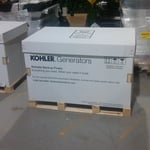
Kohler Emergency Generators and Transfer Switches
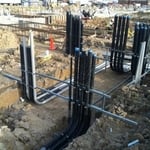
 Undergound Electrical Conduits/ Electrical Room
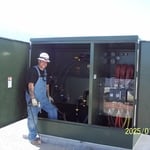
High Voltage Transformer
 Landscape Lighting Design and Installation
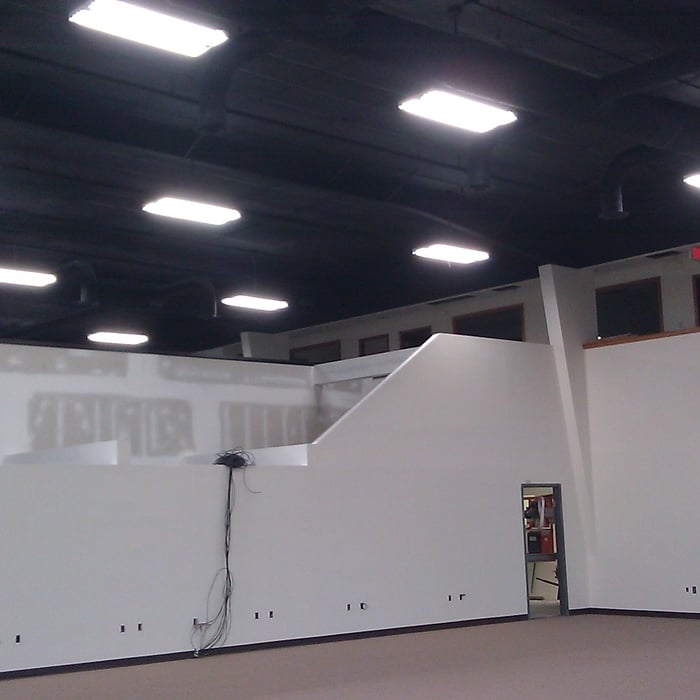
 Data Center Lighting

+15

Sides Contracting, LLC
New to Angi
Generator - Repair - For BusinessPortable Generator - InstallPortable Generator - Repair

Serving Fulton, KY and surrounding areas

Hello, I’m Dan, and myself and my crew are most capable of taking care of nearly every project you may have. With our combined experience in many fields, you’ll get superior service, quality workmanship, and fair, competitive pricing. We work when others won’t, providing standard rates on nights and weekends. \n From home appliance repair and installs, to whole home renovations, HVAC, plumbing and electrical, decks, siding and so much more, not only can we do it, we can do it beyond your expectations. For the rare instances we encounter that we aren’t 100% certain we can exceed your expectations, we can refer someone who we know will satisfy you. \n Free estimates, advice, and all work warrantied. \n Local, same day service most days, 24hr max arrival windows for repairs. \n Give us a chance to impress you, and you’ll be the person who can always tell your friends and family “I know a guy!”

Generator Install questions, answered by experts

Setting up utilities on a vacant property usually takes at least a few months, or between 6 weeks to 16 weeks. This process requires working with the local planning and zoning department, hiring a building contractor or engineer to design the utility layout, securing permits, laying the lines, and connecting the utilities.

To power a central air system during a power outage, the whole-house generator will need to be at least 5,000 watts, and this number will significantly increase for larger units. Check the specific wattage requirements of your AC unit to choose the right generator size. Consider consulting a generator installer to ensure your whole-house generator meets your electrical load needs.

To determine the right size generator for your house, you should calculate the total wattage of the appliances and devices you want to power during an outage. List all essential items, note their start-up wattages, and add them together.

Here are some typical wattage requirements for common appliances:

  • Refrigerator: 600 watts

  • Large dehumidifier: 700 watts

  • Large window air conditioner: 1,400 watts

  • Water heater: 3,000 to 4,500 watts

  • Electric furnace: 5,000 to 25,000 watts

A 7,500-watt generator might be sufficient for essentials like a refrigerator, freezer, well pump, and lighting circuits. However, for high-demand items like a water heater or furnace, a whole-home generator is a better choice. A portable generator may be enough if you only need to power a few critical items.

While home square footage can offer a rough estimate, it is not always a reliable indicator. For reference, here are some typical generator sizes based on square footage:

  • 1,000 sq ft: 6–9 kW

  • 1,500 sq ft: 7–10 kW

  • 2,000 sq ft: 10–14 kW

  • 2,500 sq ft: 12–16 kW

  • 3,000 sq ft: 16–20 kW+

For the most accurate sizing, consult a professional who can calculate your home's peak and average power consumption and recommend the optimal generator.

Generators are safe to use as long as they are installed and operated correctly according to the manufacturer's recommendations. The most critical safety tips are to never use a portable or fuel-powered generator inside an enclosed space due to the risk of lethal carbon monoxide poisoning; always operate it outdoors where fumes can dissipate away from your home. Additionally, never attempt to connect a generator to your home’s electrical panel yourself—hire a professional to ensure the setup meets safety standards. Finally, avoid overloading the generator by not connecting more appliances than it is rated for, as this can damage your equipment or cause a fire.

If you’re wondering whether gas generators produce carbon monoxide, know that natural gas generators do not produce carbon monoxide if they are functioning properly, as natural gas burns cleanly. However, if the generator malfunctions and the gas does not burn completely, there is potential for carbon dioxide to be produced. To prevent malfunctions, it's crucial to perform regular maintenance, including running the generator weekly and scheduling professional inspections every 6 to 12 months. Also, be sure to test your carbon monoxide detectors regularly to ensure they function in the rare case of the generator producing carbon monoxide.

The Fulton, KY homeowners’ guide to generator installs

From average costs to expert advice, get all the answers you need to get your job done.