DG landscaping is dedicated to providing our customers with the best quality and craftsmanship. We are here to build relationships with our customers and communities and to provide our employees with a great place to work. We look forward to working with you!
Spike Masonry has the experience and knowledge necessary to make sure that your project is completed on time with quality service and workmanship. Your satisfaction is important to us. Let us show you the difference true professionalism can mean to you. We are a family owned business and we want everything to be done 110%. It�s all about the customer and what YOU want, plain and simple. Positive attitudes, responsible, reliable, fast and perfect! If you want professional work, positive attitudes, strive for perfection, clean work places, fast work and caring contractors, then you want Spike Masonry to do your work! Thank you for considering Spike Masonry and we look forward to impressing you!
Welcome to AJ Masonry! We take pride in the quality of work and customer satisfaction that we give each and every customer! We are known to pay exquisite attention to detail while making customer satisfaction our top priority. Call us today to learn more about how we can help you!
\n
In most cases, you don’t need a permit to repave your driveway, although some exceptions exist. If you’re widening your driveway and plan on widening the apron as well, you’ll usually need a permit from the Department of Transportation in your area. This permit costs between $50 and $300 in most cases. Most municipalities will also require a certified and insured contractor do the work relating to the apron and curb cut. You can contact your building department or ask your paving company if you need a permit. Your driveway professional will usually pull the permit for you.
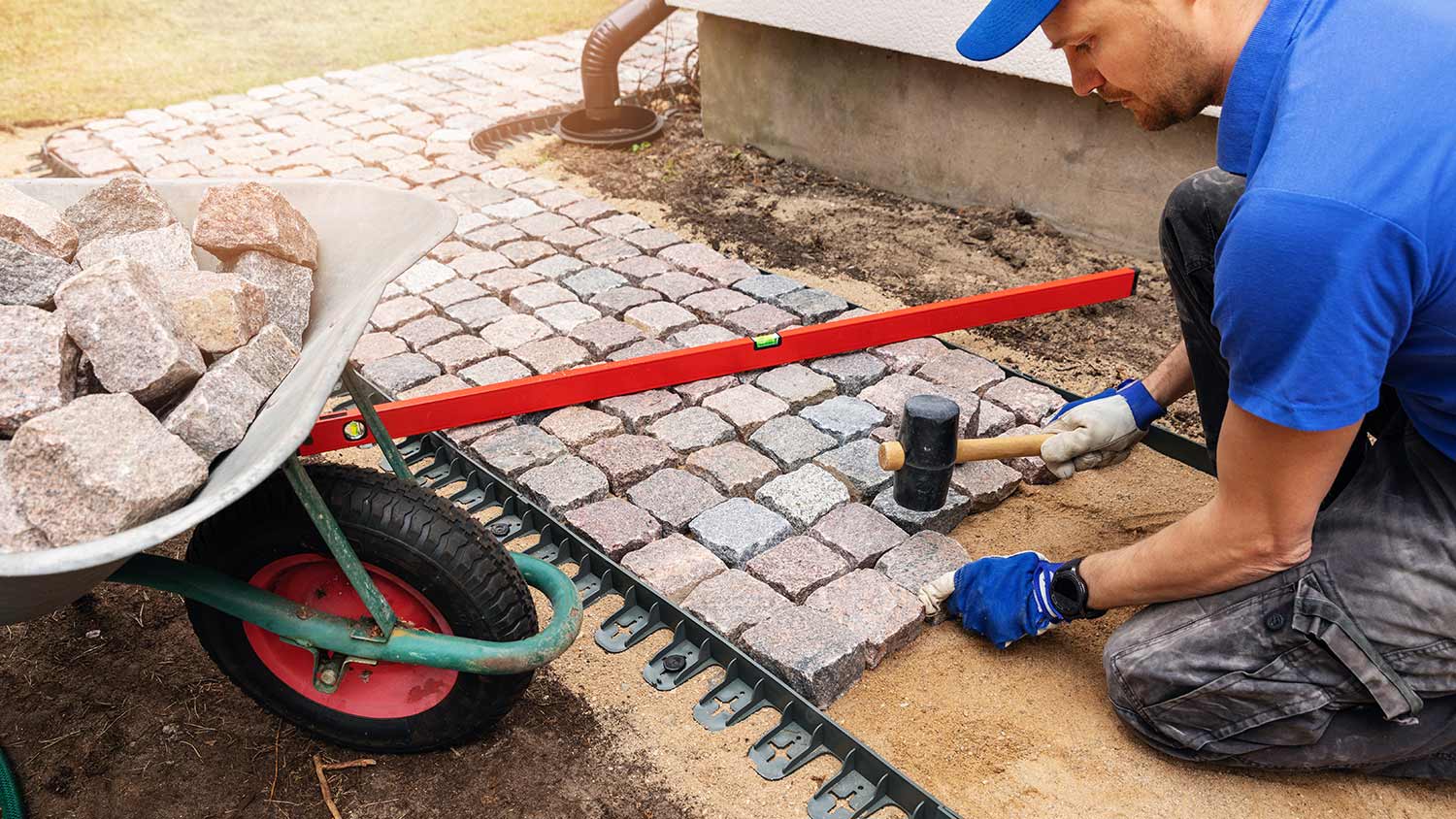
You’ll first need to install a base underneath your pavers for extra stability and drainage. Otherwise, the pavers can sink into the ground, and you’ll have to reinstall them. Use a base gravel layer of 4 to 6 inches for walkways and 10 to 12 inches for driveways. Compact your gravel layer every 2 to 4 inches so it’s nice and solid. After you install your gravel base, apply a 1-inch layer of sand on top.
A driveway's lifespan varies by material. Asphalt driveways typically last 15 to 30 years, while concrete driveways last longer, between 20 and 50 years. The longevity of any driveway is affected by factors like extreme temperatures, heavy traffic, and the quality of maintenance. Regular upkeep, such as filling cracks, resealing the surface, and ensuring proper drainage, can help extend its life. For gravel driveways, regrading to fill in uneven areas every year or two is recommended.
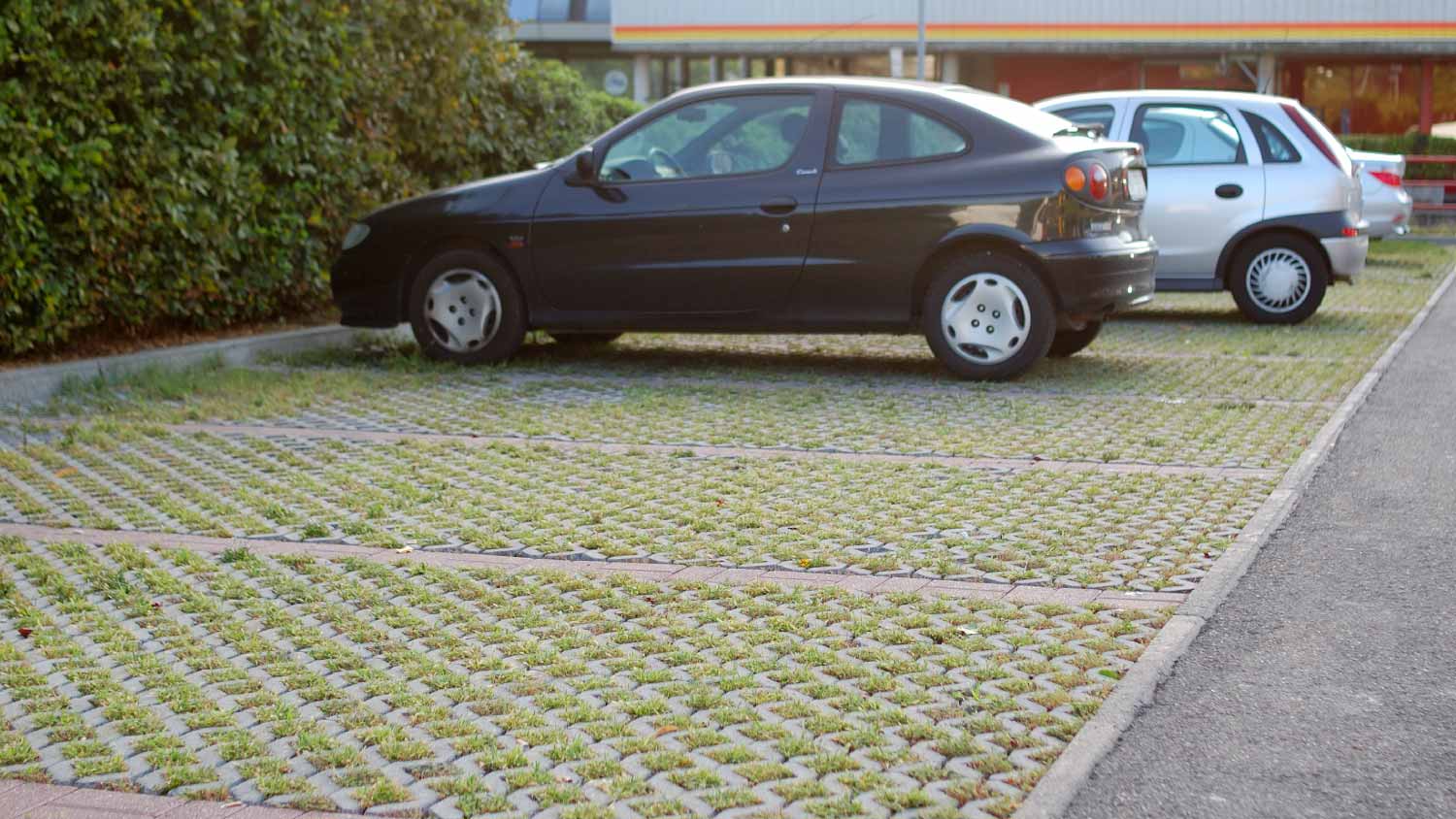
Professional installers often include a deep layer of crushed gravel under permeable pavers to allow more runoff to soak through into the soil below. Many installations will include multiple layers of gravel, with coarser aggregate at the base and finer aggregate that sits on top of that bottom layer. Above the gravel, you’ll often find coarse sand that helps reduce paver shifting over time. Some permeable paver designs include a water collection system set into the gravel layer to route runoff to a safe area for disposal.
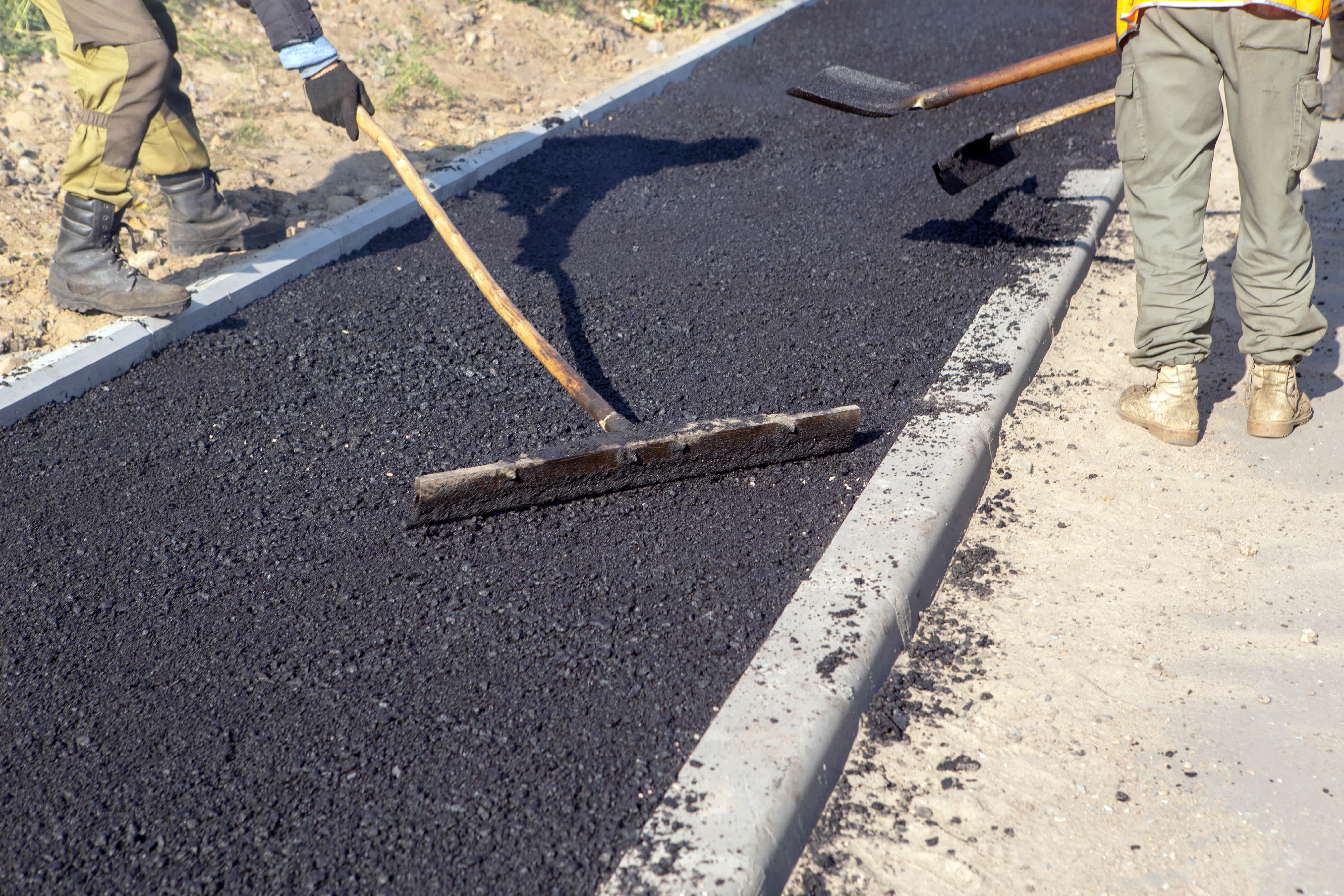
While blacktop is a type of asphalt, the terms should not be used interchangeably, as not all asphalt qualifies as blacktop. The primary differences are in their composition, production process, and ideal applications. Blacktop contains more stone than other types of asphalt and is heated to a higher temperature during production—300°F or more—while hot-mix asphalt is heated to between 275°F and 300°F. The ratio of bitumen (a tar-like crude oil) is a key differentiator, though sources vary: some state blacktop has less bitumen, making it less durable, while others claim it has a higher ratio. Due to these differences, asphalt is generally more durable and better for high-traffic areas like highways and streets, while blacktop is more suitable for playgrounds and residential driveways. For a driveway project, it is best to consult a professional to determine the most appropriate material.
The Plainville, KS homeowners’ guide to paving services
From average costs to expert advice, get all the answers you need to get your job done.
The cost of a tar and chip driveway falls between gravel and asphalt. Is this unique process the happy medium you've been looking for? Let's take a look.
Get proactive with marketing for your paving contractor business. Use these paving marketing ideas (ranked by budget and experience level) to grow your business, get more leads, and earn more money.