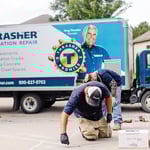
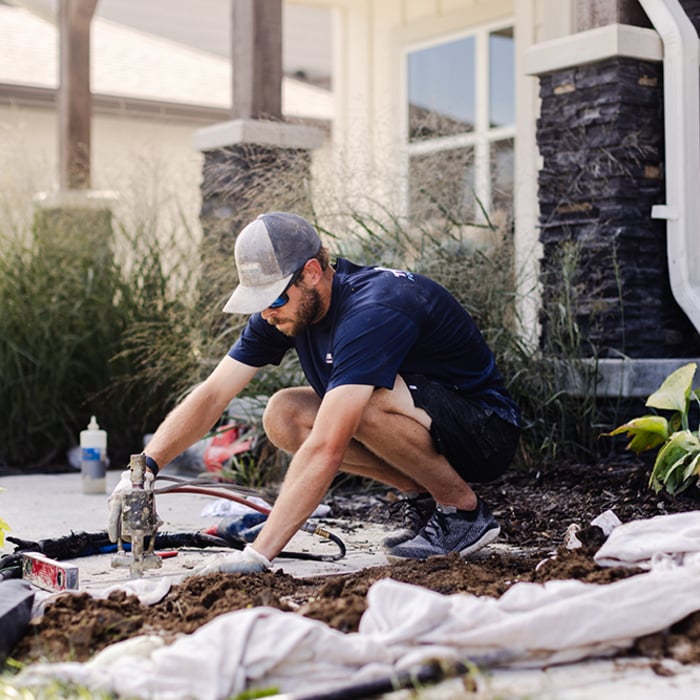
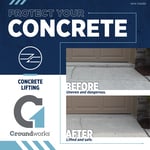
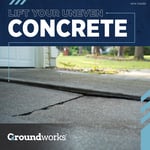
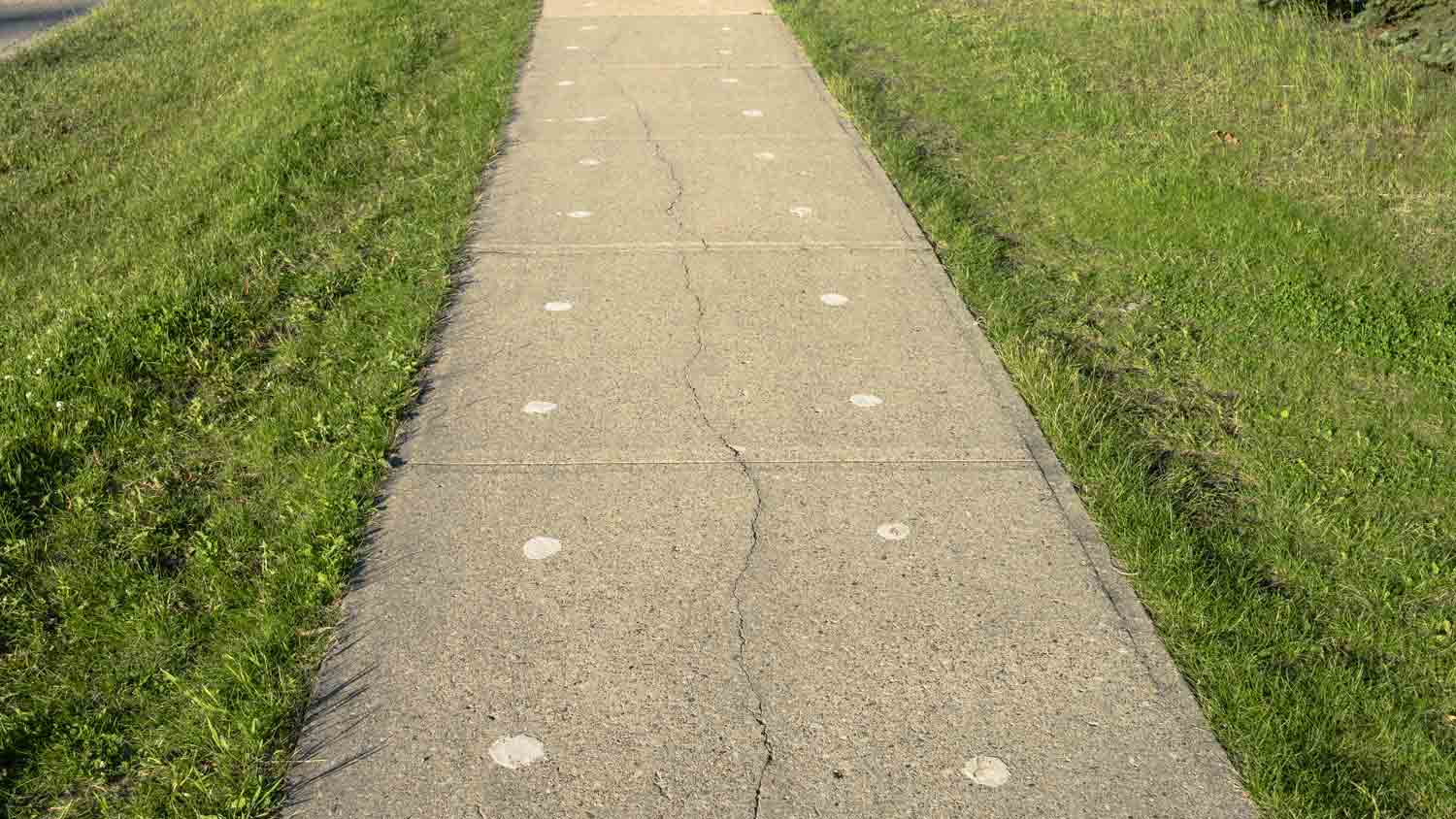
"Big shout out to Dil and Cruise for doing a splendid job . They were very courteous, patient enough to listen to my concerns and very friendly. The Job was to lift the concrete and seal the joint and cracks . Time will tell how well the seal will hold especially with colorodo weather but so far happy the result. Thank you Trasher."
"The team of Kenny, Daniel, Colt. Et Al installed 4 helical piers at the outside foundation corner and two supplemental crawlspace steel beams to stabilize the house. The work was done on time and with minimal disruption to our lives. I was quite impressed with the team's professionalism and friendliness."
Here at Martin Concrete, we sustain our company on reliability, great communication, integrity, and quality work. We strongly believe in giving our absolute best in all of our projects. We are experts in our trade and will always keep you educated on your particular task or project. Your satisfaction is our number one priority!
San Dynasty Mgt. and Construction is a well established company in Garden City,
\nwhich serves the surrounding communities too. We offer the best in
\ncustomer service as well as professionalism. We pride ourselves on
\nintegrity so our work speaks for itself. Call us for your next job.
\n
Concrete Mudjacking questions, answered by experts
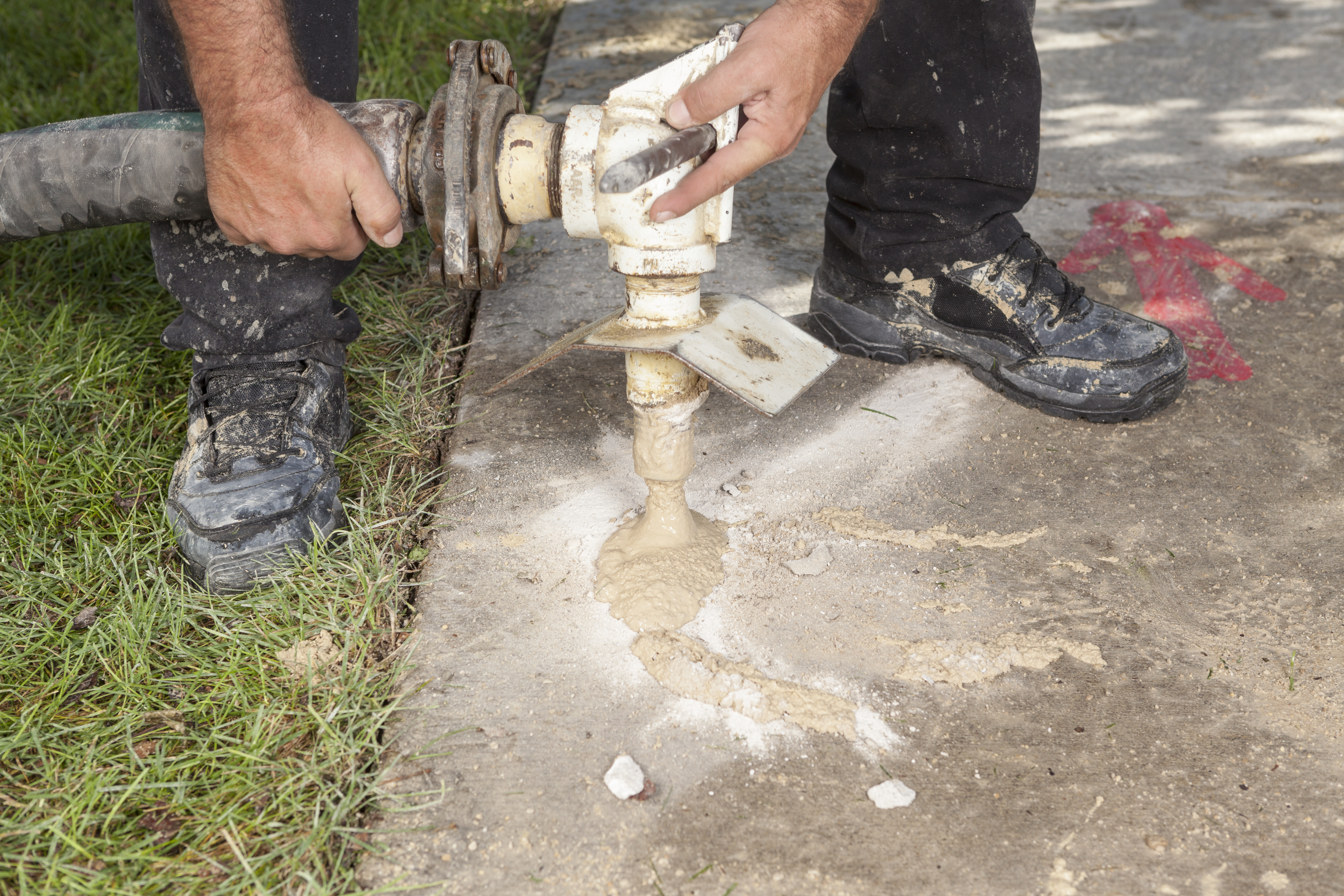
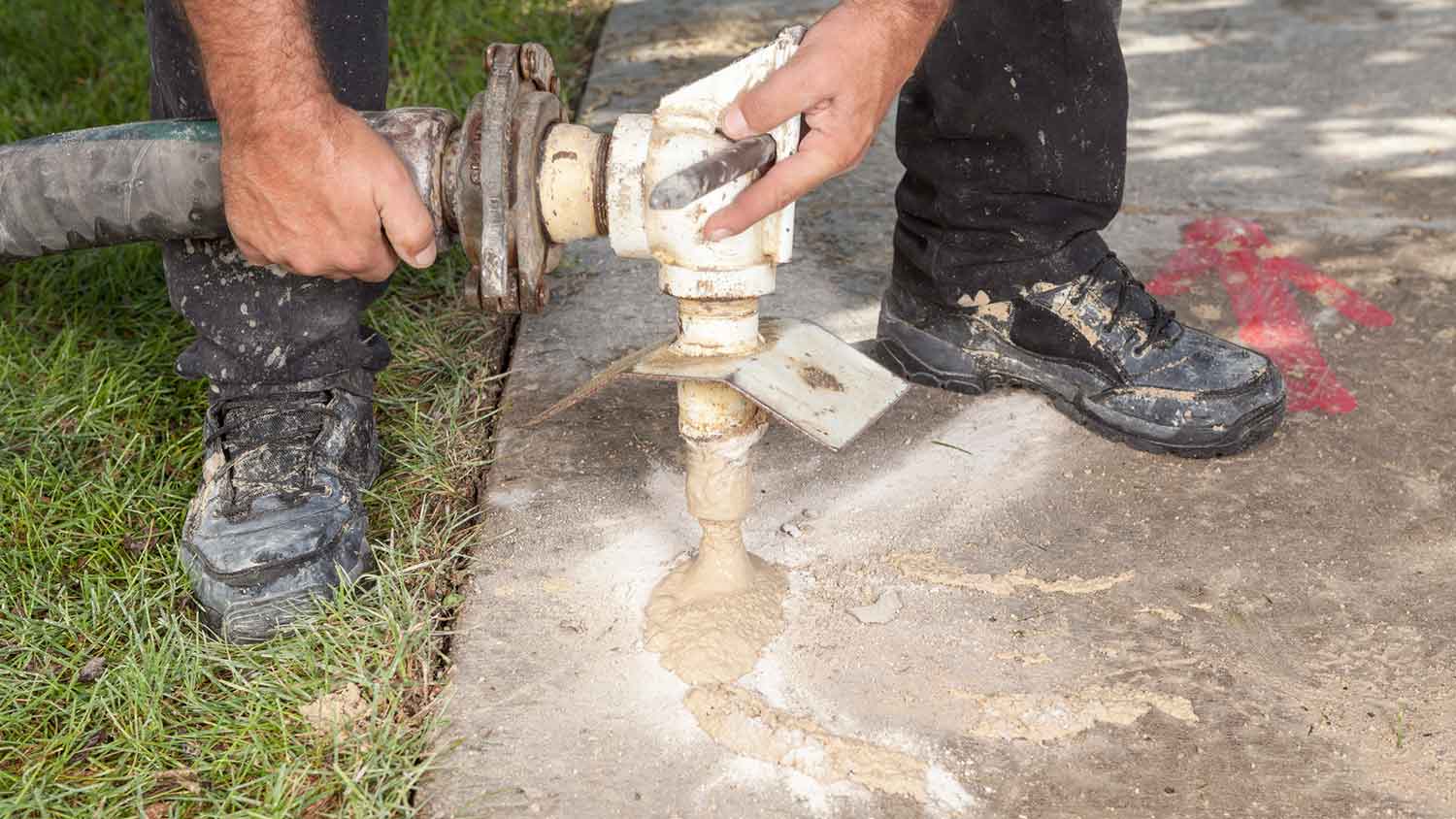
The method involves lifting settled concrete using pressurized cement slurry via drilled holes. This solves uneven surfaces and prevents further settling.
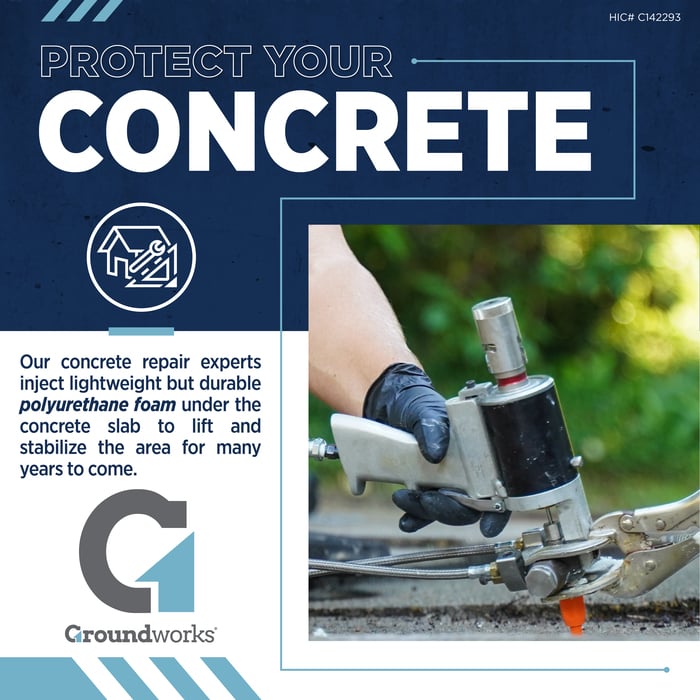
Polyjacking and mudjacking can both be effective solutions for sinking concrete, but they have key differences. Polyjacking, which uses expanding polyurethane foam, is often considered a better option because the foam is significantly lighter than the cementitious material used for mudjacking. This reduced weight puts less pressure on the underlying soil and lowers the risk of future sinking. Polyjacking is suitable for any sinking concrete slab, while mudjacking is typically only recommended for non-structural concrete, such as sidewalks, patios, pool decks, and driveways. The primary drawback of polyjacking is its cost, which can be up to four times higher than mudjacking—as much as $25 per square foot compared to a maximum of about $6 per square foot for mudjacking.
Charges correlate with surface size, settlement depth, and access, often yielding significant savings over concrete replacement.
It restores concrete, prevents replacement cost disruptions, reduces trip hazards, and provides stability at a lower cost.
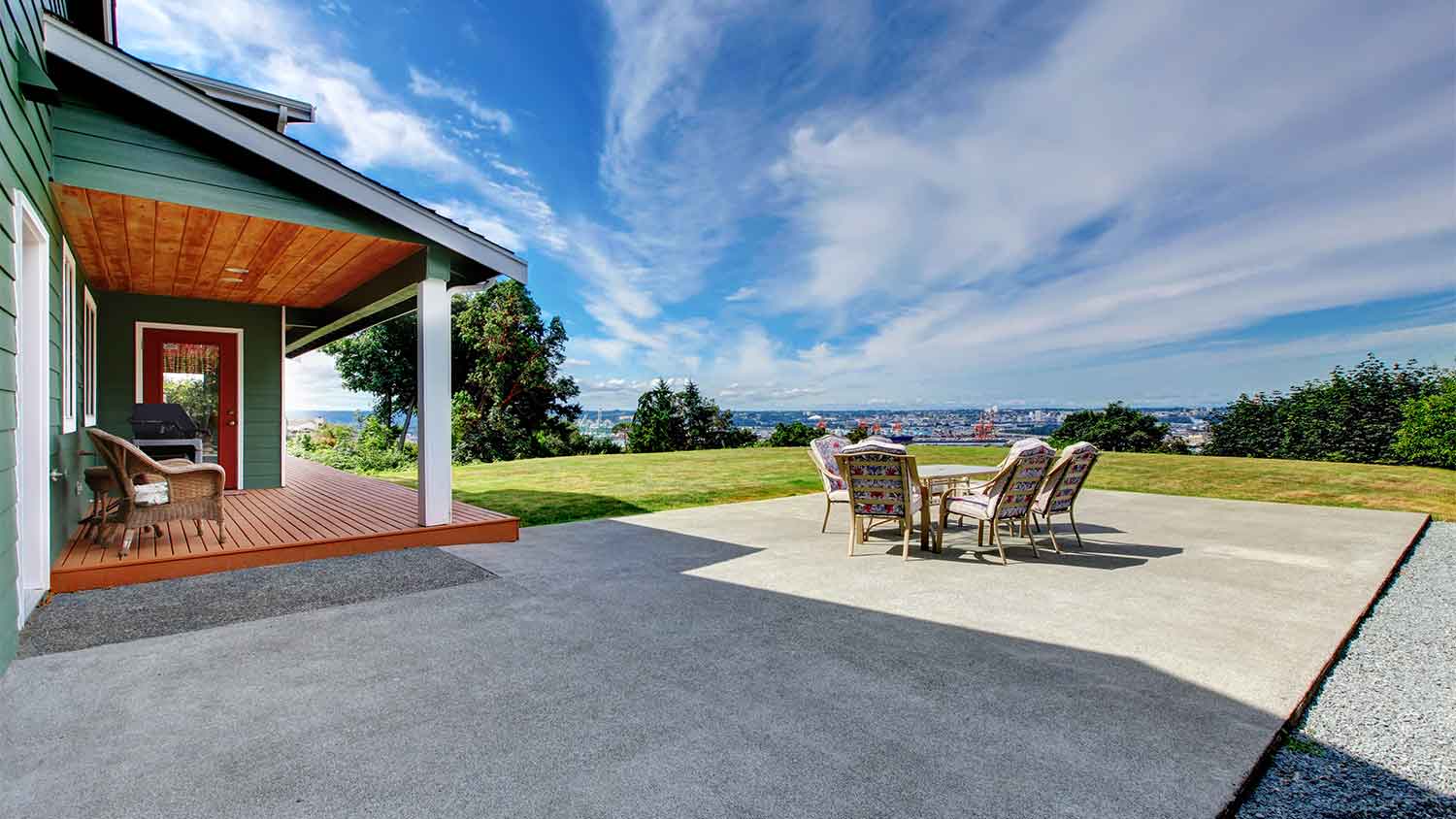
Pros often use mudjacking or polyurethane foam injection to level a sunken concrete patio. Both methods lift the slab by filling voids beneath it. After properly compacting the soil beneath it to prevent future settling, the concrete may need to be removed and re-poured for severe sinking.
The Coldwater, KS homeowners’ guide to concrete mudjacking services
From average costs to expert advice, get all the answers you need to get your job done.
DIY mudjacking is an advanced task, but learning how to raise a concrete slab is great to know for many scenarios. Let's take a look at how to DIY mudjack.
Sunken concrete can be a structural issue, but a professional can easily repair it. Ask these concrete injection leveling and mudjacking questions before you hire.