


Jorge's Flooring
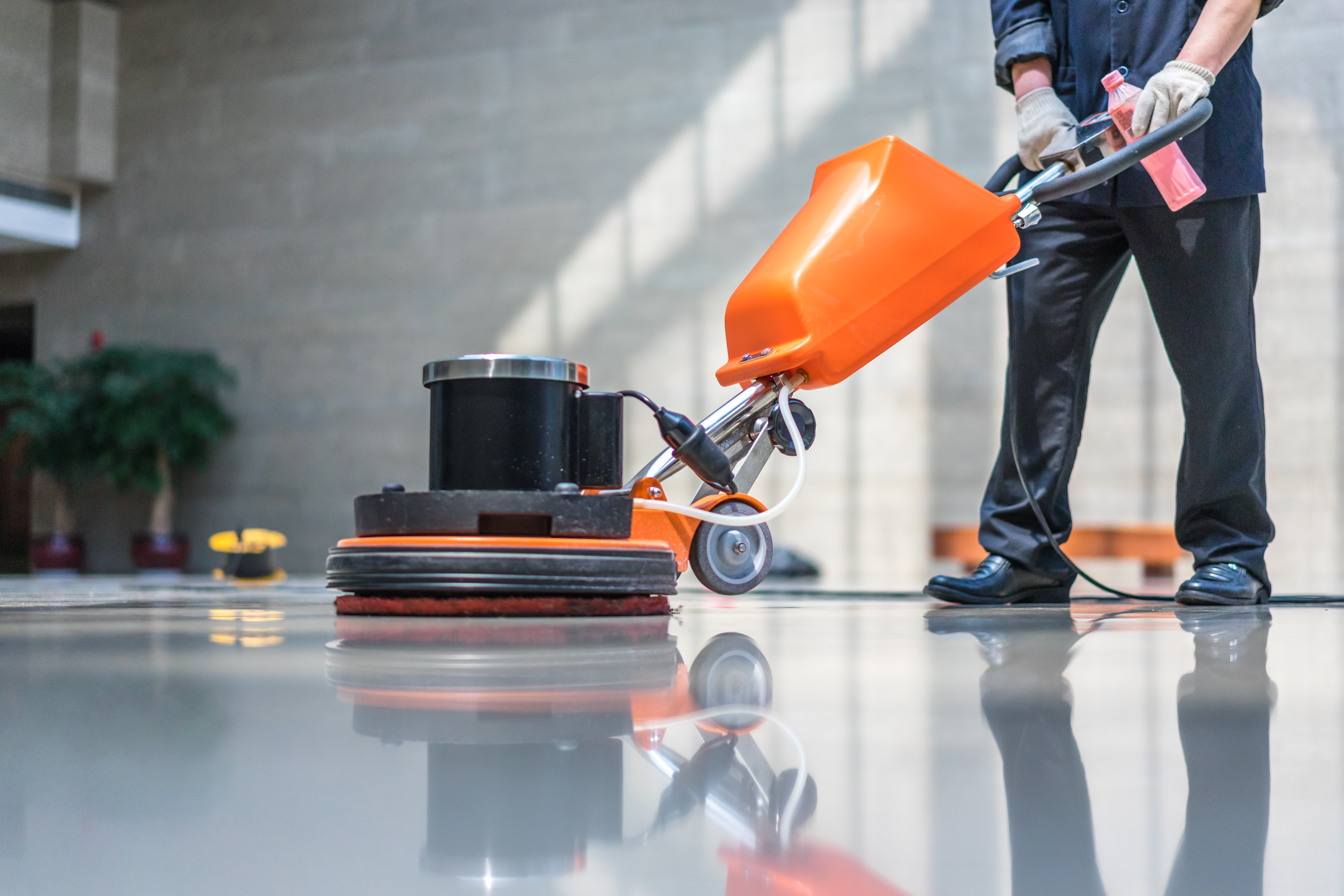
Clean & Polish Flooring - For Business
Serving Johnson, KS and surrounding areas
In business since 2005
Free estimates
Credit card accepted
"Pretty good guy, does great work"
Response time7 hrs
Recommended by100%of homeowners
*The Angi rating for Floor Polishing companies in Johnson, KS is a rating based on verified reviews from our community of homeowners who have used these pros to meet their Floor Polishing needs.
*The HomeAdvisor rating for Floor Polishing companies in Johnson, KS is a rating based on verified reviews from our community of homeowners who have used these pros to meet their Floor Polishing needs.
Last update on July 28, 2026
Serving Johnson, KS and surrounding areas
In business since 2005
Free estimates
Credit card accepted
"Pretty good guy, does great work"
Serving Johnson, KS and surrounding areas
In business since 2018
Free estimates
Credit card accepted
We have the experience and we are committed to providing quality workmanship and superior customer service on all our applications. We at seth hardin strive to maintain our reputation as a high quality, very service oriented company with our main focus being customer satisfaction.
From average costs to expert advice, get all the answers you need to get your job done.
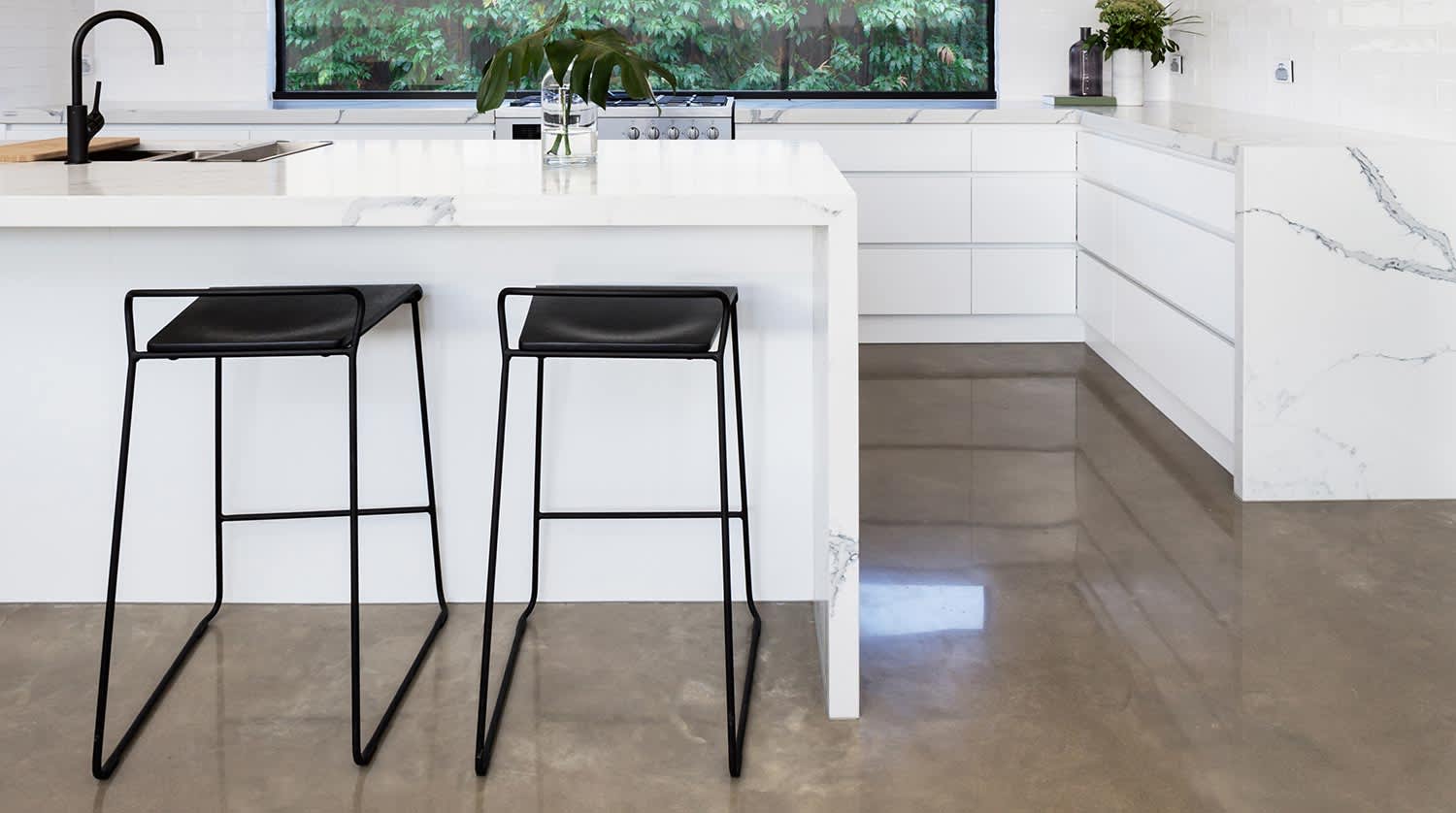
Discover the cost to polish concrete floors, including price ranges, key cost factors, and tips to help you budget for your next flooring project.

Polished concrete floor costs depend on the size of the area you’re targeting and the style of concrete floor. Our guide breaks down all the cost factors.
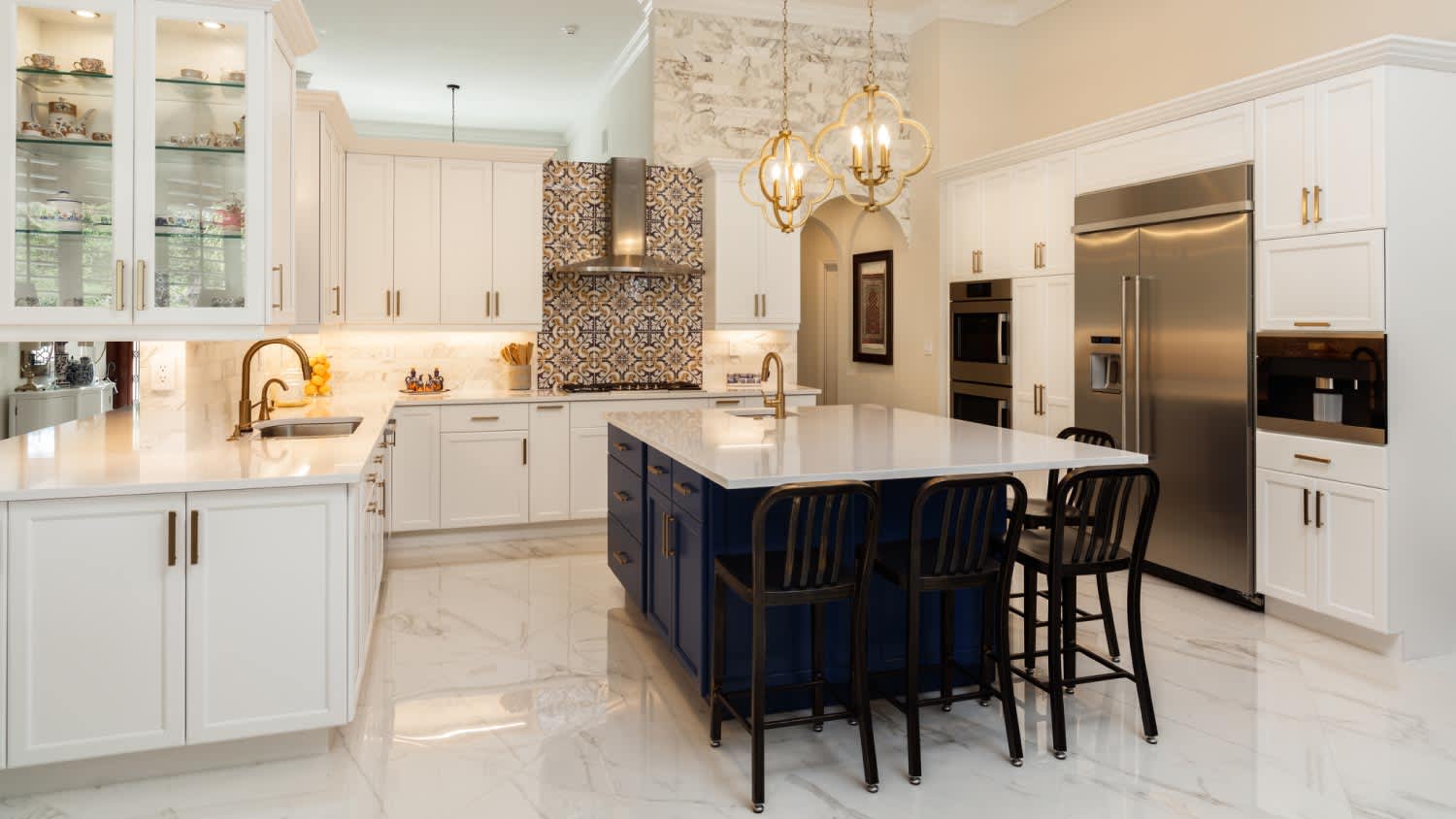
Dull marble floors got you down? This simple guide on how to polish marble floors can revive your floors to a flawless shine.
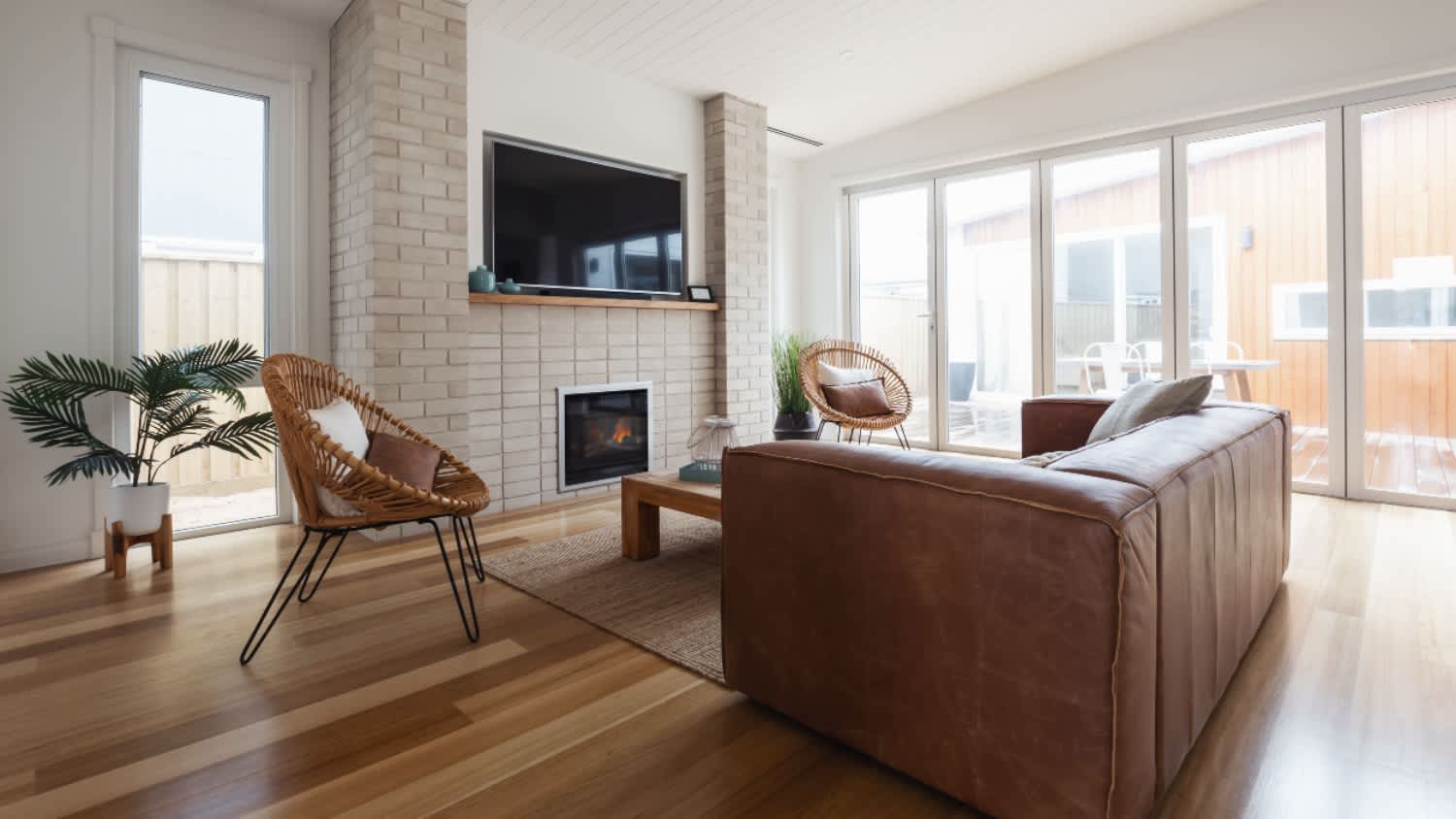
Knowing how to make wood floors look new again can save you a lot of money, and keep your home looking fresh. Here’s everything you must know.

When it comes to how to polish concrete floors, there’s a lot to know for the would-be DIYer, from pad grit to managing a concrete grinder.

With so many types of polished concrete floors to choose from, you should first learn about the classes of grinding, levels of polishing, and color options.