We are a small family built company. From humble beginnings in Lamar Colorado, we strive for fair prices with high quality results. Over the course of 13 years, our projects have run from the Rockie Mountains to the Ozarks.
I’m a father here in Tulsa. Usually working in film, but my dad is also getting older. So, I wanted to start thes home improvement services in Tulsa so my dad would stick around and feel comfortable with money in his pocket. Also to just give my dad things to do up here in the big city. Right now he will drive 2 hours back to his hometown to work maybe 2-3 days out of each week. He doesn’t get around like he used to. Just want him safe and happy .
25+ years of construction experience in Residential and commercial construction. Experience includes hands-on work and managing projects. No project too big or too small. Experience in putting on metal roofs, concrete, steel buildings, commercial building maintenance, handyman work, small electrical and plumbing projects, drywall repairs, painting, trim, installing play ground equipment, etc. Quality and attention to details of your project are of upmost importance. Will work in greater Tulsa area.
Hi, my name is Jesus, and I am dedicated to providing dependable and professional service. I take pride in helping customers with their home projects, whether it’s assembly, repairs, moving, yard work, or general handyman tasks. I am hardworking, punctual, and detail-oriented, and I always strive to exceed expectations. My goal is to make every customer feel confident that the job will be done right the first time.
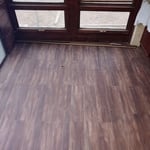
A 20 year Retired military Veteran owned company (named after my children) we specialize in total bathroom and kitchen remodeling, we offer flooring to include tile, carpet, epoxy, hardwood, laminate etc. \n You dream it we build it. \nOur moto “Customer first Mission driven” \n Licensed and Insured \n
"The floor installation will process was awesome! The job that I expected to take a little less than a week only took three days. Austin and Dustin were very friendly, and I would love to have them work on more projects!"
"Gannon helped me unload a double stack washer from the back of my truck and get it up to my second story apartment and did it all with a great attitude. Absolutely incredible!"
"Damon did an excellent job with some miscellaneous home repair and install installation needs. We had this included installing two new ceiling, lights and repairing weatherstripping on our front door. Damon was professional, timely, and also very kind in his demeanor as he did the work. I plan on hiring him again for future needs at our house."
"Leonard also ceramic tiled my kitchen floor, installed kitchen counter top,sink and plumbing I highly recommend Leonard . He cares about each step of the project so the end result is amazing and just what I wanted. Very professional and personable."
Fire Pit Installation questions, answered by experts
No material is genuinely fireproof, so there’s no genuinely fireproof safe. Any material would break down if exposed to a hot enough temperature for long enough. That said, safes can withstand certain house fires. Manufacturers use the term “fireproof” synonymously with “fire resistant.”
You can’t gauge the lifetime of a fire door like you could, say, an engine. Fire doors should be checked at least once every six months to ensure there are no signs of degradation like leaks, holes, water damage, termite damage, or anything else that might compromise the functionality of the door’s fire resistance. Check your smoke detectors while you’re at it.
It’s technically possible in some areas to install your own fire suppression system, but it’s usually not a good idea. Your system must conform to the fire code in your area and will need to pass a rigorous inspection before being activated and deemed safe. Installing a fire suppression system is a complicated job, and making mistakes as a DIYer is likely. Those mistakes can cause you to fail your inspection, which means you’ll have to spend more time fixing the issues or money to have a certified plumber do the work for you. It’s best to hire a professional.
Although you can put a smoke detector on a shelf, the NFPA recommends mounting one on the ceiling or a wall (within 12 inches of the ceiling). If you place your smoke alarm on a shelf, ensure it’s away from drafty, damp, or dusty areas and not near cooking appliances, heat sources, or fluorescent lights.
A fire pit installation costs $850 on average but can vary by size, fuel type, materials, and more. See how much you need to budget for a new fire pit.
Discover fire door cost data, including installation, materials, and tips to save. Learn what impacts fire door pricing and how to budget for your project.
Discover home fire sprinkler system costs, including installation, maintenance, and key cost factors. Learn how to budget and save on your home fire protection.
A fire pit adds attractive entertainment space to your backyard. Learn about standard fire pit dimensions and what factors contribute to fire pit size.