



Top-rated bird control service pros.

Get matched with top bird control service pros in Whiting, IN

Enter your zip and get matched with up to 5 pros

Need a pro for your bird control service project in Whiting, IN?

Select your specific project to find the pro for you.

TRUSTED BY WHITING, IN HOMEOWNERS

  • Average homeowner rating star icon4.5
    Average homeowner rating
  • Verified reviews icon268
    Verified bird control services reviews

Find Bird control service pros in Whiting

Avatar for Groen's Wildlife Services
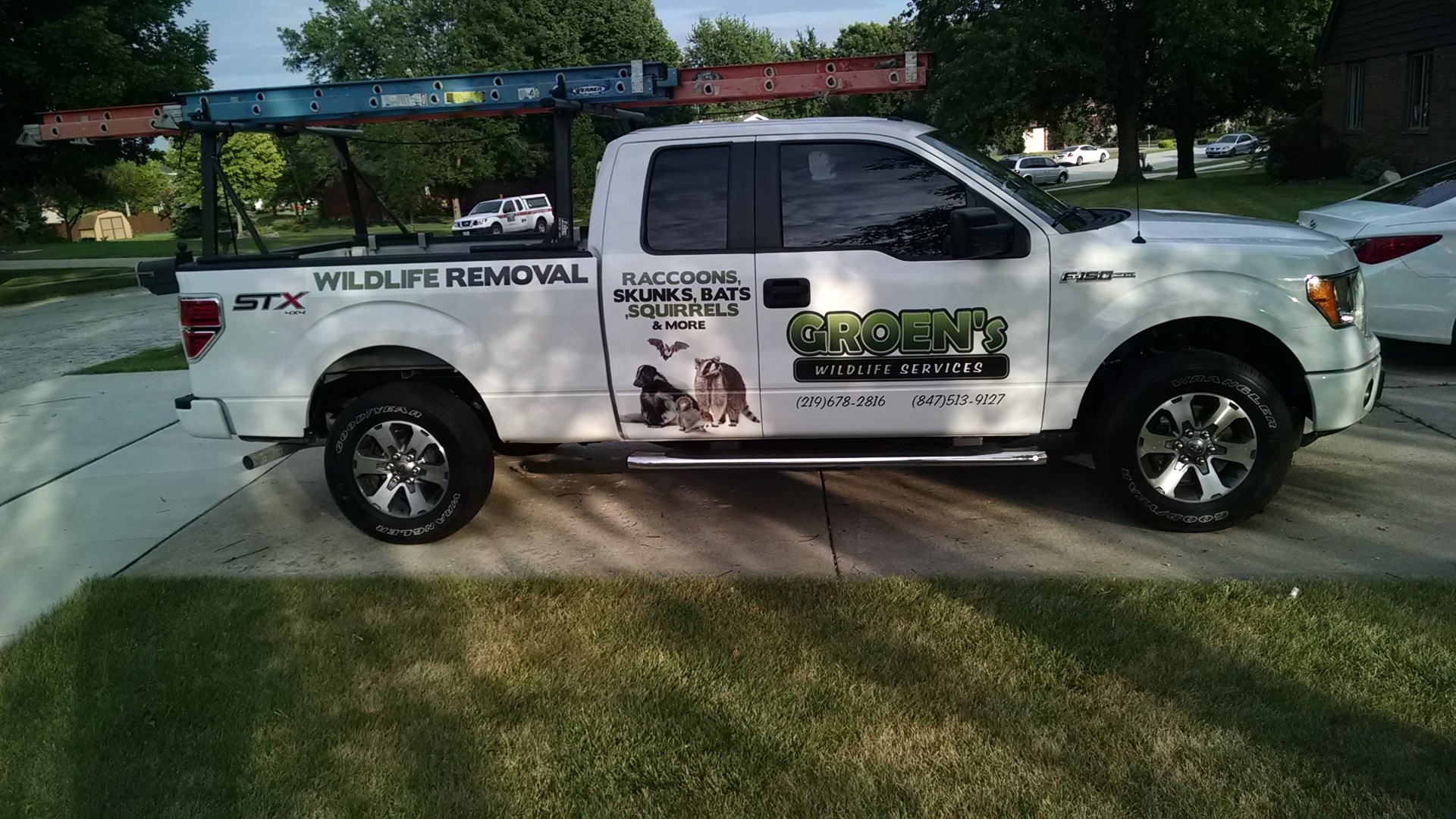
Groen's Wildlife Services
4.6(
15
)
Pest Control - Birds and BatsPest Control - Birds and Bats - For Business

Serving Whiting, IN and surrounding areas

In business since 2004

Emergency services offered

Credit card accepted

"I can?t say enough good about Josh. He knew what he was doing and was very professional. He got the raccoon out. He?s coming back to remove all of the insulation from my attic and sanitize the area. Josh was wonderful. He?s really great to work with."
Groen's Wildlife Services
Recommended by100%of homeowners
Avatar for Anderson Pest Solutions
Anderson Pest Solutions
4.0(
49
)
Pest Control - Birds and Bats

Serving Whiting, IN and surrounding areas

In business since 1913

Free estimates

Credit card accepted

"I used them for mosquito control Weather has a major impact on scheduling, so it was hard to set firm dates for service. Always showed up once they were scheduled. Treatments provided significant, but not total relief from mosquito problem. Price was good compared to other services. Techs were always pleasant and professional."
Recommended by89%of homeowners
Bird Control questions, answered by experts

DIY animal removal is rarely a good idea and is not advised for many reasons. First, these types of animals can carry diseases and, therefore, pose a health risk to you, your family, and your pets if mishandled. Second, depending on your city or municipality, it may be illegal to remove or handle wildlife yourself. 

Sealing your home against these animals yourself is also a bad idea. Trapping an animal under your house will cause odor and insect problems when it passes away. 

It can be difficult to know what type of animal is in your attic until you see it. But several clues can help you narrow down the suspects:

  • Sounds: Smaller animals like rats and mice make scurrying and tapping/gnawing sounds. Larger animals like raccoons and opossums make louder clambering noises. Also, note when animals are noisy: Squirrels are active during the day, while rats are busiest at night.

  • Droppings: Rats and mice leave small, rice-shaped droppings (the rat’s version is significantly larger). Bigger droppings belong to larger critters like raccoons. As long as you’re not squeamish, an image search can help you identify what you’re seeing in your attic.

When in doubt, take photos of damage or other evidence and show them to an experienced pest control pro.

If a wild animal enters your yard, prioritize safety for yourself and the animal. Remember to avoid direct contact and always keep a safe distance. Contact local authorities or a wildlife rehabilitation center if the animal is hurt or in distress. Both sources should be able to guide you on how to proceed and send help if needed. Please wait for the animal to leave naturally for non-threatening situations, as many will. To deter future visits, implement measures like securing trash cans, sealing entry points, and removing potential food sources.

Numerous predators kill hornets, including frogs, birds, lizards, bats, spiders, and hedgehogs. Some larger predators, including rats, skunks, and racoons, will occasionally attack a hornet nest in order to eat the larvae inside. These natural predators typically don’t eat enough hornets to make them an effective form of hornet control. 

When woodpeckers start banging on your walls or roof, they are probably looking for insects to eat, storing nuts for winter, drilling a hole to make a nest, or communicating with other birds to establish territory or find a mate.

The size of the hole can help determine the reason for the pecking. Small irregular holes are a result of insect hunts. Acorn holes are more consistently sized and often fitted with a nut in the middle. Nest holes are large and have rounded edges. If the bird is pecking to mark its territory or attract a mate, it may leave dents rather than holes, and the noise will stop when the mating season starts in spring.

The Whiting, IN homeowners’ guide to bird control services

From average costs to expert advice, get all the answers you need to get your job done.