

Top-rated radon detection and reduction specialists.

Best radon detection and reduction specialists near Westville, IN

Enter your zip and get matched with up to 5 pros

Need a pro for your radon detection and reduction project in Westville, IN?

Select your specific project to find the pro for you.

Top-Rated Radon detection and reduction specialists in Westville - Updated Nov 2026

Swat Group, Inc.
4.4(
152
)
Radon Gas - Abatement

Serving Westville, IN and surrounding areas

In business since 1988

Free estimates

Credit card accepted

"Hired for the convienience of their timely ability to install a radon system. The vent on the outside of the house is a large diameter, circular chimney that is very unsightly. Prices were a bit higher than other companies, but their ability to install quickly took precedence. In SWATs defense, I did not inform the company of my displeasure as the system was being installed as a condition of sale."
Response time1 day
Recommended by94%of homeowners

Avatar for Chicago Crawlspace & Basement Pro's Corp
Chicago Crawlspace & Basement Pro's Corp
5.0(
7
)
Radon Gas - AbatementRadon Gas - Testing

Serving Westville, IN and surrounding areas

In business since 2010

Free estimates

Emergency services offered

"We chose Chicago Crawlspace because Andy was punctual, professional, well versed and provided us with a detailed quote of the services being provided. We apppreciated that the pricing given to us was broken down and each specific task was assigned a cost - as opposed to a company just giving a lump sum quote. We even knew the brand and cost of the sump pump being installed.

The crew was on time and finished on schedule. All existing debris in the crawlspace was bagged and removed from the crawlspace by the crew before they began laying the liner. One challenge we had involved our water softening system which is located in our crawlspace. Andy was very willing to work with us and did not require us to have the equipment removed before doing the work. He provided a plumber to disconnect and then reconnect the system. The softener and the salt holding tank are located beneath the opening to the crawlspace to allow for easy access. Pouring the concrete floor would result in losing a few inches of height clearance and make refilling the salt tank very inconvenient if we moved it farther away from the opening. We discussed it with Andy and he said that he would have his men dig down a few inches - at no additional charge - under the tank so that we would still be able to refill the tank fairly easily and keep it near the opening.

Overall we are very saisfied with Chicago Crawlspace and the job they did. We would definitely use them again and have no problem recommending them to others."
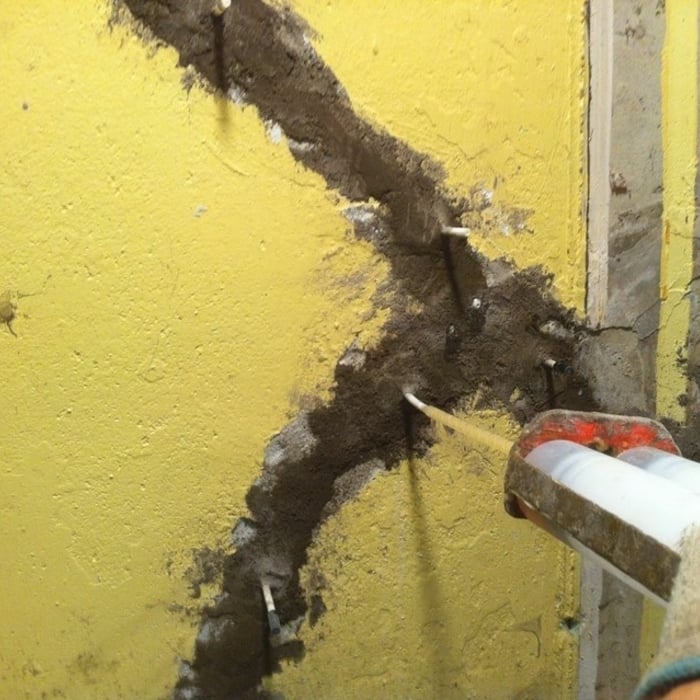
Before
After
Recommended by100%of homeowners
Radon Detection and Reduction FAQs, answered by experts

The average radon mitigation system uses about 876 kWh of electricity per year, although the exact amount of electricity used will vary depending on the size of the radon fan. Once the system is installed, the annual increase to your energy bill could range from $30 to $300 per year, again depending on the size of the fan.

Radon is the number one non-smoking cause of lung cancer in the United States, but it can cause some other concerning side effects in the meantime. If you have a raspy voice, chest pains, trouble breathing, difficulty swallowing, or any of the above, don’t hesitate to perform radon testing and install a mitigation system as soon as possible.

No level of radon is technically safe, but since it is present everywhere, complete avoidance is impossible. The average radon level in homes across the United States is 1.3 picocuries per liter (pCi/L). The Environmental Protection Agency (EPA) recommends taking preventative measures if your home's radon levels are between 2 and 4 pCi/L or higher.

Keeping radon from getting into your home is much better than having to get rid of it once it's already indoors. While there may not be a way to fully prevent radon from getting into your home, there are things you can do to reduce the gas's ability to enter. 

Sealing foundation cracks and openings can help keep the gas from seeping inside. Improving air flow, such as by opening windows, can also be helpful. If you're building your home from scratch, talk to your contractor about using radon-resistant construction to keep the gas out.

Installing a mitigation system reduces radon levels, which can cause lung cancer, providing peace of mind and long-term health benefits. It can also increase your home’s value, as many buyers prefer properties with radon safety measures in place. The investment is relatively low compared to the potential health risks associated with prolonged radon exposure.

The Westville, IN homeowners’ guide to radon detection and reduction services

From average costs to expert advice, get all the answers you need to get your job done.