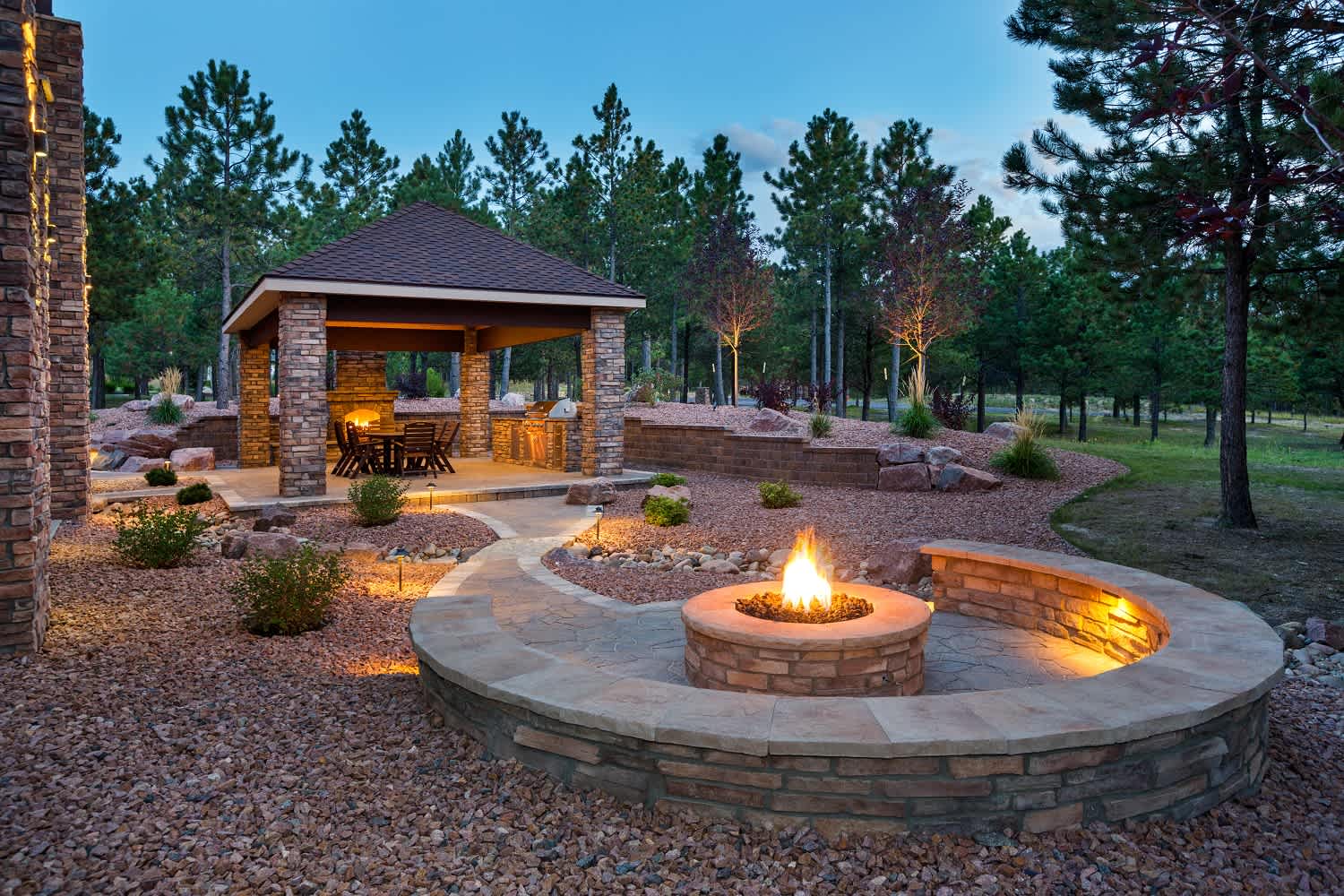




Top-rated fire pit installation pros.

Get matched with top fire pit installation pros in Lynn, IN

Enter your zip and get matched with up to 5 pros

Need a pro for your fire pit installation project in Lynn, IN?

Select your specific project to find the pro for you.

Find Fire pit installation pros in Lynn

No results for Fire pit installation pro in

Try adjusting your search criteria.
Fire Pit Installation questions, answered by experts

Scheduled cleanings and mindful operation habits prevent blockage growth, contributing to efficient smoke release and space heating enjoyment.

Yes, you should seal and cap an unused chimney to protect it from damage. Sealing the structure helps prevent moisture damage, which can lead to issues like cracks, spalling, efflorescence, and damaged mortar joints. Capping the chimney is also crucial to prevent blockages, damage from invasive critters, and downdrafts, while still allowing for proper air ventilation to manage moisture. For the best results, consult a chimney professional to select the right type of chimney or flue cap for your home. It's also wise to continue with annual chimney inspections to maintain the structure's integrity.

You should never block both the top and bottom of your chimney. Proper airflow is essential because the temperature inside the chimney will still fluctuate as your house warms and cools. Moisture can build up without ventilation, leading to dampness in your walls over time. Blocking the top prevents debris and animals from entering, but the chimney still needs air circulation to avoid condensation issues. Allowing the chimney to breathe maintains the health of your home and prevents long-term damage.

Wood-burning fireplaces typically make homeowners insurance more expensive, simply because they increase the risk for a fire in your home. Gas and electric inserts are less likely to bring up your insurance rates, but you should always speak with your agent to understand how installing any type of fireplace will affect your premiums.

Yes. Not only do gas stoves present the risk of a gas leak, but cooking with gas produces twice as much harmful particulate matter. According to Columbia University’s Climate School, gas stoves can also release formaldehyde, a known human carcinogen, and carbon monoxide, which can be toxic in high concentrations.

The Lynn, IN homeowners’ guide to fire pit installation services

From average costs to expert advice, get all the answers you need to get your job done.