

Top-rated arborists.

Get matched with top arborists in Linton, IN

Enter your zip and get matched with up to 5 pros

Need a pro for your arboricultural service project in Linton, IN?

Select your specific project to find the pro for you.

TRUSTED BY LINTON, IN HOMEOWNERS

  • Average homeowner rating star icon4.8
    Average homeowner rating
  • Verified reviews icon17
    Verified arboricultural services reviews

Find Arborists in Linton

Avatar for Hancock's Tree Trimming
Hancock's Tree Trimming
New to Angi

Serving Linton, IN and surrounding areas

Approved

In business since 2016

Free estimates

Offers commercial services

We pride our company on reliability, great communication, integrity and quality work. We are experts in our amazing tree trimming work and will do our best to keep you as educated as we can on your particular task or project. We look forward to working with you.

Avatar for Brother in Law Tree Service
Brother in Law Tree Service
5.0(
20
)

Serving Linton, IN and surrounding areas

In business since 1990

Free estimates

Emergency services offered

"It went great! Trimmed some large trees that had potential to fall on electrical wiring near my home. The trimmings he did will also help save a crab apple tree. He even gave me a little bit a rope for my dog! I would highly recommend them to others."
Additional Photos
Additional Photos
Additional Photos
Additional Photos
Additional Photos

+30

Recommended by100%of homeowners
...
Showing 1-10 of 60
Arborists questions, answered by experts

Cutting down a tree next to power lines is never a DIY job, and it’s a good idea to contact your utility company first. In most cases, the utility company will need to take care of any tree problems within 10 to 15 feet of power lines. If you want to remove the tree for aesthetic reasons, hire a pro to do the job. Trying to cut trees near power lines yourself can create many safety hazards, and you could be liable if you inadvertently cause damage to electrical equipment.

Costs depend on tree height, trunk diameter, removal complexity, and required equipment.

You can use herbicides to prevent roots from growing without killing the tree itself, however they must be used with caution. Systemic herbicides are absorbed by the root and can kill off problematic roots. However, herbicides can sometimes negatively impact nearby plants, so the solution is best used sparingly.

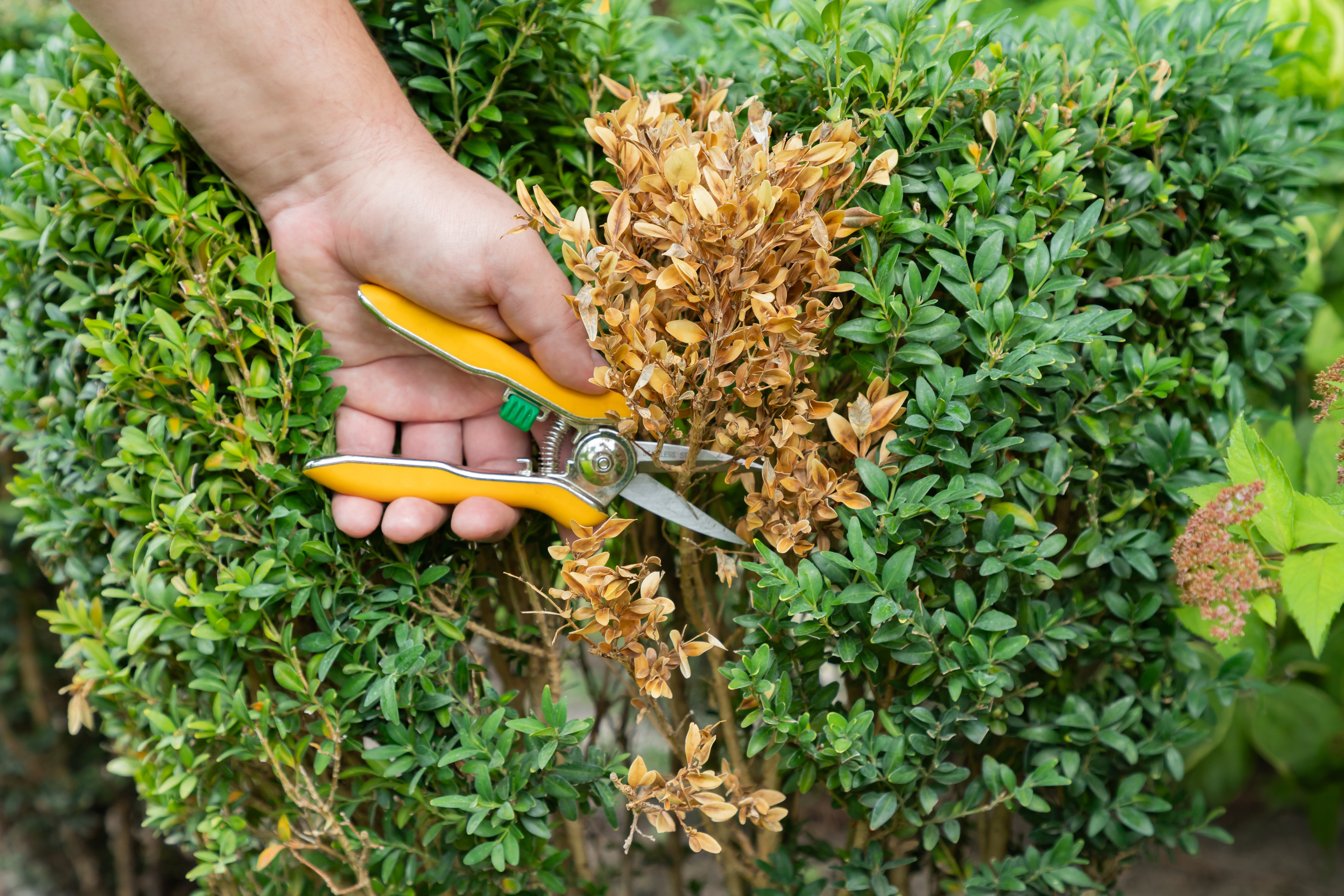
A dead tree should always be cut down, because it could fall and cause injuries or damage, and it can also attract insects like carpenter ants. A tree that’s diseased beyond repair should also be cut down, but it’s not always easy for a homeowner to tell. Signs of disease include dying branches, a hollow trunk, leaning, and discolored or missing leaves, but your best bet is to hire a local arborist who can evaluate the tree and tell you if it can be saved or should be cut down.

Dying trees and even dead trees can spread diseases to other living trees. There are many different types of tree diseases, so it’s essential to address the issue as soon as possible to prevent the disease from spreading to other healthy trees. If the tree cannot be saved and is infected, you need to have it removed to protect the other trees on your property.

The Linton, IN homeowners’ guide to arboricultural services

From average costs to expert advice, get all the answers you need to get your job done.