





Top-rated generator install pros.

Get matched with top generator install pros in Lagrange, IN

Enter your zip and get matched with up to 5 pros

Need a pro for your generator install project in Lagrange, IN?

Select your specific project to find the pro for you.

Find Generator install pros in Lagrange

Avatar for All Wire Electric
All Wire Electric
New to Angi
Fixed Generator - InstallFixed Generator - RepairGenerator - Install - For Business+2 more

Serving Lagrange, IN and surrounding areas

In business since 2018

Free estimates

Offers commercial services

We are a locally owned and operated company that values honesty and integrity and treats your home as if it were our own. We offer a variety of electrical services. You will find us to be competitively priced with close attention to the details of each and every project that we are involved with. We look forward to building lasting relationships and guarantee your satisfaction!

The light up!
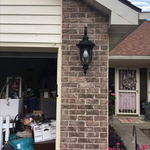
Proper placement
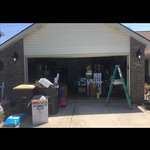
Garage door lighting
Kitchen
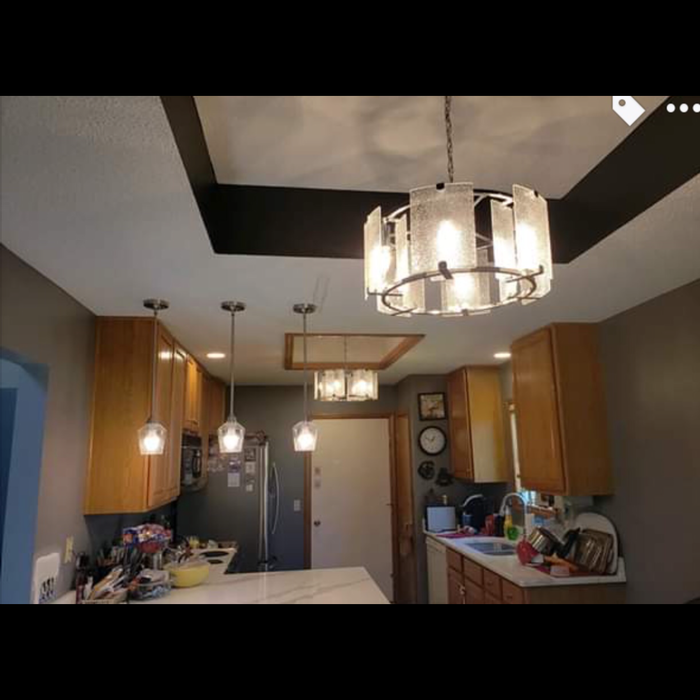
Kitchen

+31

Response time40 mins
Response rate85%
Advanced Backup Systems, LLC
New to Angi
Fixed Generator - InstallFixed Generator - Repair

Serving Lagrange, IN and surrounding areas

In business since 2010

Credit card accepted

We are a locally owned and operated company. We value honesty and integrity in all aspects of our business. We offer a variety of home improvement services that are customized to each individual project. We pride ourselves on the quality of our work, as well as our commitment to outstanding results. We look forward to building lasting relationships with our clients and guarantee your satisfaction!

Showing 1-10 of 12
Generator Install questions, answered by experts

The average cost to install a home generator is $5,200, but total costs can range from $500 to $18,000 or more. The final price depends on several factors, including the generator's size, type, brand, fuel source, and the cost of labor and assembly. The generator's size is the most significant cost factor, as units that can power larger homes with higher energy demands cost more.

Cost breakdowns by generator type are typically as follows:

  • Portable or Emergency Backup Generators (1kW–7.5kW): $500–$2,000

  • Partial-Home Generators (9kW–20kW): $2,000–$6,500

  • Whole-House Generators (22kW–48kW): $5,000–$18,000

To ensure you get the right size unit for your needs without overpaying, consider hiring an electrician to calculate the electrical load of your essential appliances. It is also recommended to get at least three quotes from qualified installers to find the best fit for your budget.

While standby generators provide essential backup power, they can fail when you need them most due to lack of maintenance, fuel supply issues, dead batteries, electrical problems, or improper installation. To avoid costly failures, professional installation and regular maintenance are crucial. Licensed technicians ensure safety, uphold warranty requirements, comply with regulations, and provide expert servicing.

The amount of time a standby generator can run continuously is around 3,000 hours on average. However, standby generators can generally run indefinitely as long as they have a continuous fuel supply. Generators hooked up to a home’s natural gas supply are the best option for extended usage, as these won’t rely on a finite fuel supply based on how much you have in storage. Generators running on liquid propane or diesel won’t last as long, as these require fuel storage and regular refueling to stay running.

Generally, you’ll want to keep between 60 and 70 feet between the generator and the transfer switch. There are a few reasons for this, including:

  • The distance reduces the noise coming from the generator into your home.

  • It increases efficiency because you won’t have a voltage drop from this short of a distance.

  • Prevents carbon monoxide poisoning: keep at least 15 feet between your generator and an open window. 

Here’s what you can run with different wattages and types of generators:

Portable generator:

  • 2,000 watts can handle a large appliance like a freezer or refrigerator, plus a few smaller items like phones or computer chargers. 

  • 4,000 watts will keep two large appliances operating and a few smaller devices.

  • 8,000 watts should power most essential appliances and other devices, including a sump pump, well pump, or your dishwasher.

Partial to whole-house generator:

  • 20,000 watts and above will make it seem like your home’s power is still on.

The Lagrange, IN homeowners’ guide to generator installs

From average costs to expert advice, get all the answers you need to get your job done.