You cannot put anything you want into a rented dumpster, as there are significant restrictions on certain items.
Generally allowed items include:
Household Junk: Furniture, old linens, carpets, toys, small appliances, and excess trash.
Construction & Yard Debris: Wood, yard debris, roofing materials, old finishes, and other construction waste.
Commonly prohibited items include:
Hazardous Materials: Toxic waste, medical waste, dangerous chemicals, items with lead paint, and asbestos.
Flammables: Gasoline, oil, and fuel.
Specific Banned Items: Paint cans, electronics, batteries, tires, refrigerators, and hot water tanks.
Because rules can vary, you should always check with your specific dumpster rental company for their guidelines if you are unsure about an item.
The growth of tall fescue grass often causes clumps of grass in your lawn. Avoid pulling up the clumps, as it won’t effectively remove them. Instead, dig out clumps and their roots when you notice them early in the growing season. Herbicides can also treat grass clumps, but they can also affect other plants you might not want to kill, so use them sparingly and always follow manufacturer instructions.
If you don’t have too many fallen leaves, one option is to leave them in place. They’ll eventually decompose, adding vital nutrients to the soil. But if you have a thick layer of leaves smothering your lawn, you’ll want to either mulch them or bag them up for removal. If you choose to collect and bag your leaves, check with your local municipality on any specific guidelines to dispose of them. Many cities offer curbside pickup if the leaves are disposed of in yard waste bags or containers.
Although palm trees are self-pruning and will eventually remove their own brown leaves with new growth, there are a couple of instances when you might still want to go ahead and do the work yourself. For example, remove brown palm leaves if you live in an area with a greater risk of wildfires or if the leaves obstruct your pathway. But as long as the leaves pose no safety hazards, you don’t have to worry about pruning them.
The most common alternative is burning the stump first, then dealing with the cinders and ashes. As you can imagine, this option creates fire hazards, especially since roots can burn underground, hidden, for long afterward. That’s why many states and cities have outlawed the use of stump burning entirely. We do not recommend this option as a viable alternative unless you get a permit from the local fire department and practice all safe burning procedures.
Others prefer a more long-term DIY approach of degrading the stump with home mixtures like Epsom salt and vinegar injected directly into it. This may help the stump decay faster, allowing homeowners to dig it out themselves, but it’s still a lengthy process. It usually takes months for a stump to start falling apart with such treatments, and in the meantime, it can be vulnerable to rot, insects, and other problems.
The Lagrange, IN homeowners’ guide to brush chipping services
From average costs to expert advice, get all the answers you need to get your job done.
The cost of a tar and chip driveway falls between gravel and asphalt. Is this unique process the happy medium you've been looking for? Let's take a look.
Does your toilet water rise and then slowly drain? Find out common reasons why this is happening and how to fix them to get your toilet up and running again.
Revitalize your stainless steel with a fresh coat and color of paint. Find out how to paint stainless steel and create a new look for your appliances or countertops.
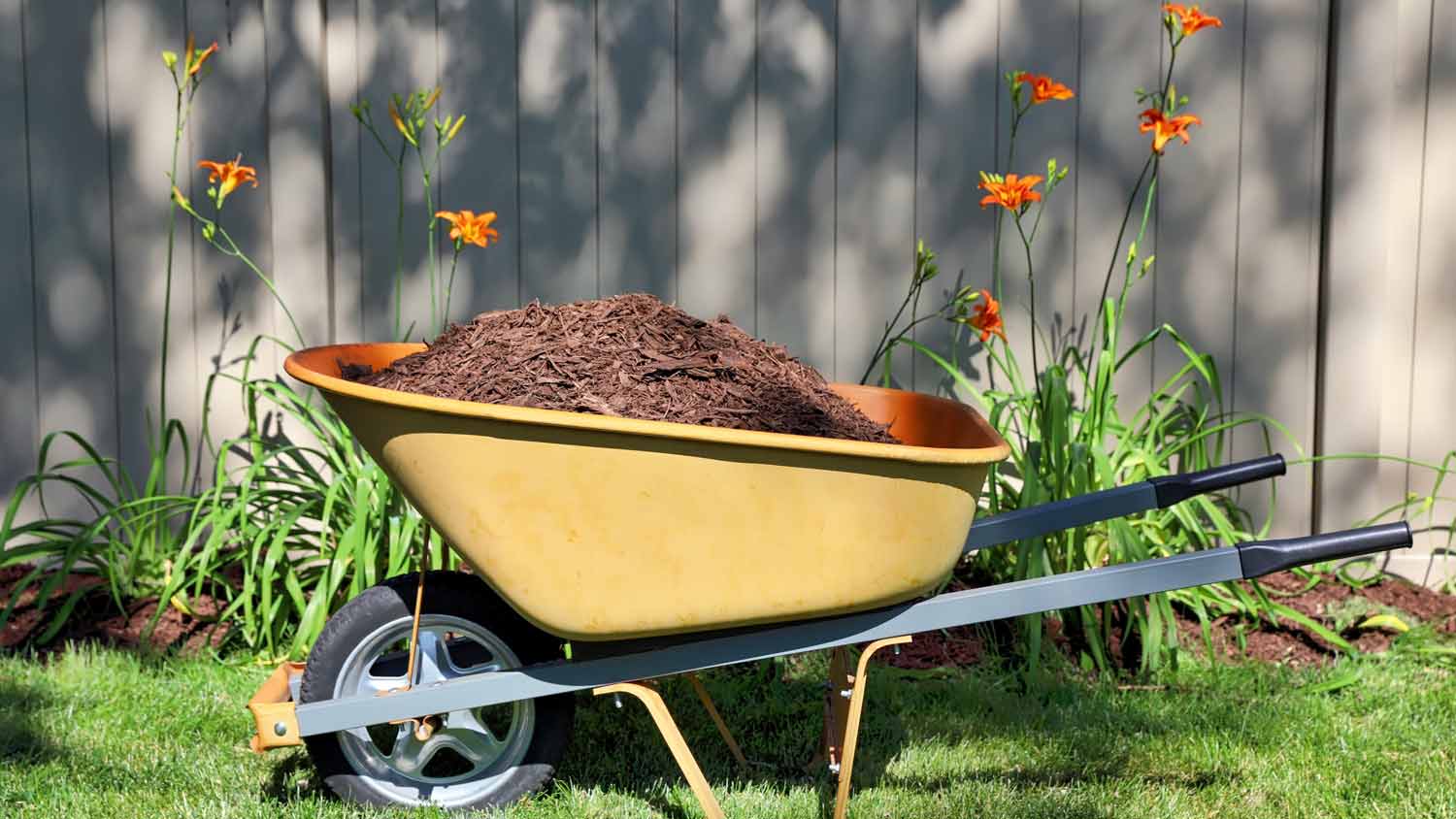
What’s the debate between wood chips vs. mulch? Wood chips are pieces or shredded wood from the interior of a tree trunk, while mulch can be made from a variety of materials.

 4.5
4.5  76
76