




Top-rated radon detection and reduction specialists.

Get matched with top radon detection and reduction specialists in Jasonville, IN

Enter your zip and get matched with up to 5 pros

Need a pro for your radon detection and reduction project in Jasonville, IN?

Select your specific project to find the pro for you.

Find Radon detection and reduction specialists in Jasonville

Avatar for The Hull Team, Inc,
The Hull Team, Inc,
5.0(
4
)
Radon Gas - Testing

Serving Jasonville, IN and surrounding areas

Approved

In business since 2022

Free estimates

Credit card accepted

Welcome to Pillar To Post™. As part of your community, we are pleased to provide our local customers, real estate professionals, home buyers and home sellers with a home inspection service that brings to the buying or selling of a home unmatched quality, precision, integrity, and professionalism.\n\nWe call what we do The Moment of Truth. It is the moment when the emotion of buying and selling a home meets the reality of the issues of that home. Our work is to communicate effectively, knowledgeably, efficiently, and openly about the condition of a home. We understand that our customers trust us to inform and educate them about what we see and what we find, and this is a trust we hold in the highest regard.

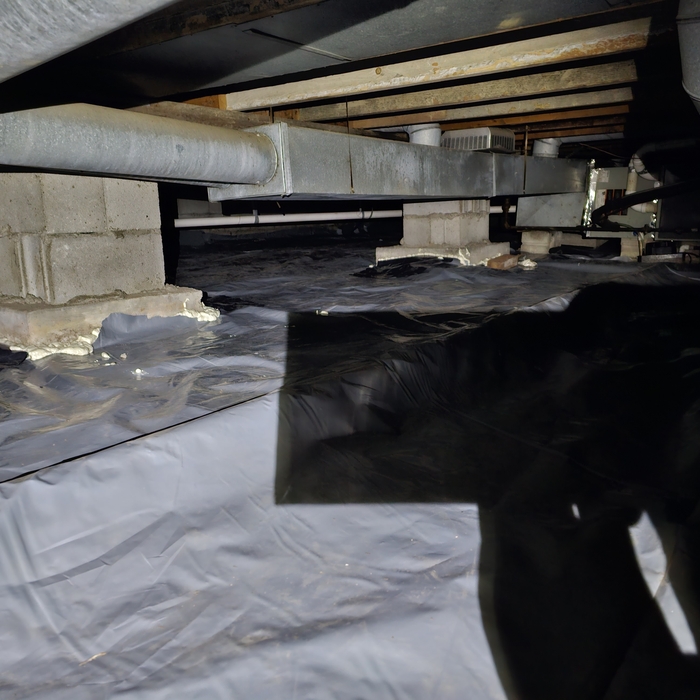
Craawlspace
Crawlspace
Roof
Response time5 hrs
Response rate89%
10 neighbors recently requested a quote
Radon Detection and Reduction questions, answered by experts

The average radon mitigation system uses about 876 kWh of electricity per year, although the exact amount of electricity used will vary depending on the size of the radon fan. Once the system is installed, the annual increase to your energy bill could range from $30 to $300 per year, again depending on the size of the fan.

Radon is present almost everywhere but, like sunlight, the concentration levels and how often you are exposed to it have a large part to play in just how dangerous it is. There are levels of radon that are acceptable inside a house, but above a certain limit, radon becomes a serious radioactive hazard that is a known cause of lung cancer. In fact, radon exposure is the number two leading cause of lung cancer (after smoking).

No level of radon is technically safe, but since it is naturally present everywhere, it is impossible to avoid entirely. The average radon level in homes across the United States is 1.3 picocuries per liter (pCi/L). The Environmental Protection Agency (EPA) recommends taking action to reduce radon levels if your home's test results are between 2 and 4 pCi/L or higher.

Radon enters your home when warm air begins to rise and exits through the roof, creating a vacuum that pulls cooler air from under the foundation. Part of that air is radon, which is an invisible, odorless gas that develops naturally when radioactive particles are deep within the ground. Those particles usually come from decaying matter in soil and rocks.

Your radon fan needs to operate 24/7 to be effective. The only time the fan isn't operating is during its replacement. Radon levels in the home can increase within hours if the fan stops working or something obstructs the stack vent. Fortunately, radon systems require no downtime maintenance between fan changes.

The Jasonville, IN homeowners’ guide to radon detection and reduction services

From average costs to expert advice, get all the answers you need to get your job done.