







Top-rated radon detection and reduction specialists.

Get matched with top radon detection and reduction specialists in Hamilton, IN

Enter your zip and get matched with up to 5 pros

Need a pro for your radon detection and reduction project in Hamilton, IN?

Select your specific project to find the pro for you.

Find Radon detection and reduction specialists in Hamilton

Avatar for Air Xray
Air Xray
3.3(
111
)
Radon Gas - AbatementRadon Gas - Testing

Serving Hamilton, IN and surrounding areas

Approved

In business since 2019

Free estimates

Warranties offered

"Get quote from air xray before getting your system installed. This company has unique way to install system without making hole in your wall. A little expensive but very professional and experienced in this area."
CO2
CO
Solutions
Radon
Sick Building Syndrome

+6

Response time1 day
Response rate96%
96 neighbors recently requested a quote

Radon Detection and Reduction questions, answered by experts

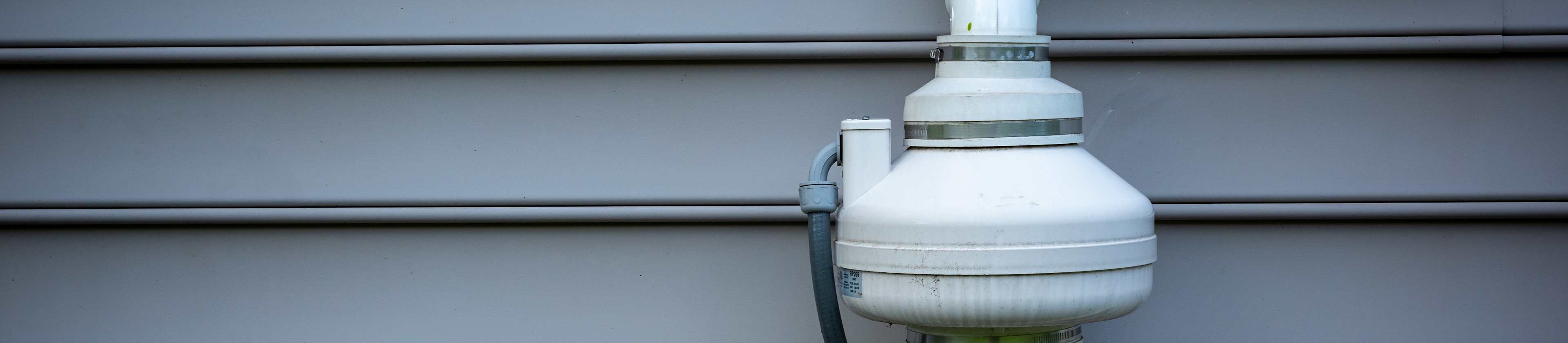
Many radon fans carry a five-year manufacturer's warranty. That said, your radon fan should last between five and ten years. Regular inspections will ensure the fan is operating properly. Unusual or exceptional noise coming from the fan or indications on your manometer or system monitor can immediately tell you that something is amiss.

No, air purifiers are not an effective way to reduce or remove radon. Radon is a radioactive, inert gas that cannot be filtered by standard air purifiers, which are designed to capture particulates like dust and mold. While an air purifier can improve indoor air quality by removing other pollutants, it should not be relied upon for radon. The only effective solution for high radon levels is a dedicated radon mitigation system.

Installation typically takes 1-2 days, depending on the system and property layout.

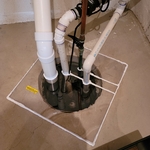
If your home has a sump pit, you can integrate it with a radon mitigation system. You can accomplish this by sealing the pump cover with an airtight lid that accommodates radon vent pipes and sump pump hoses. This allows the vent pipe to redirect the radon gas outside of your home.

Radon enters your home when warm air begins to rise and exits through the roof, creating a vacuum that pulls cooler air from under the foundation. Part of that air is radon, which is an invisible, odorless gas that develops naturally when radioactive particles are deep within the ground. Those particles usually come from decaying matter in soil and rocks.

The Hamilton, IN homeowners’ guide to radon detection and reduction services

From average costs to expert advice, get all the answers you need to get your job done.