



Top-rated arborists.

Best arborists near Greenville, IN

Enter your zip and get matched with up to 5 pros

Need a pro for your arboricultural service project in Greenville, IN?

Select your specific project to find the pro for you.

TRUSTED BY GREENVILLE, IN HOMEOWNERS

  • Average homeowner rating star icon4.4
    Average homeowner rating
  • Verified reviews icon159
    Verified arboricultural services reviews

Top-Rated Arborists in Greenville - Updated Nov 2026

Avatar for Preservation Projects LLC
Preservation Projects LLC
5.0(
32
)
Tree RemovalTree TrimmingTree Removal - For Business+1 more

Serving Greenville, IN and surrounding areas

Approved

In business since 2023

Free estimates

Emergency services offered

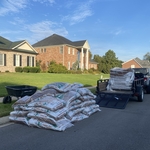
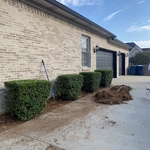
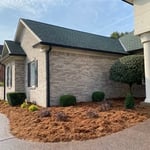
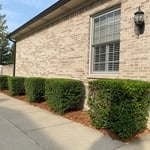
"Top notch customer service! They?ve been cutting our lawn all summer and do a fantastic job. I?m planning to have some tree work done and will certainly have Preservation Projects out to do it for us."
After #2
After #1
Before #1
Before #2
Before #1

+32

Response time30 mins
Response rate100%
4 neighbors recently requested a quote

Avatar for Sunset Mountain Tree Service
Sunset Mountain Tree Service
5.0(
6
)
Tree RemovalTree Stump - RemoveTree Trimming+3 more

Serving Greenville, IN and surrounding areas

Approved

In business since 2005

Free estimates

Credit card accepted

"As Sunset Mountain Tree Service done in the past when I have needed shrub, tree trimming, tree and stump removal plus a variety of other property jobs they have done an amazingly great job. I would wholeheartedly recommend them to anyone. Jared and his team have become great friends!!!"
My jobs
Our Work
Our Work
Our Work
Our Work

+2

Response time2 days
Response rate92%
7 neighbors recently requested a quote

...
Showing 1-10 of 108
Arborists FAQs, answered by experts

Yes, it’s okay to trim low branches on a tree, also known as limbing up or raising the crown. Essentially, you’ll trim the lower third of the tree (trunk) and leave the upper two-thirds of the tree (crown). Arborists recommend trimming 20% of a tree’s leaves per season for two to three seasons. Trimming low branches allows light to flow through the tree, increasing circulation and making the tree stronger and healthier.

Dutch elm disease can’t harm humans. In fact, according to Cal Fire, bark beetles aren’t even typically dangerous to trees unless that tree is already weakened. The problem comes when Dutch elm disease kills a tree. That tree is more at risk of falling and catching fire, which can pose a serious threat.

The depth of tree roots depends on the species. Trees like oaks and maples can have root systems that grow down 20 feet or more. However, trees that grow in shallow soils will have roots that go only a few feet down. Research how your tree species grows in your climate area to estimate root depth.
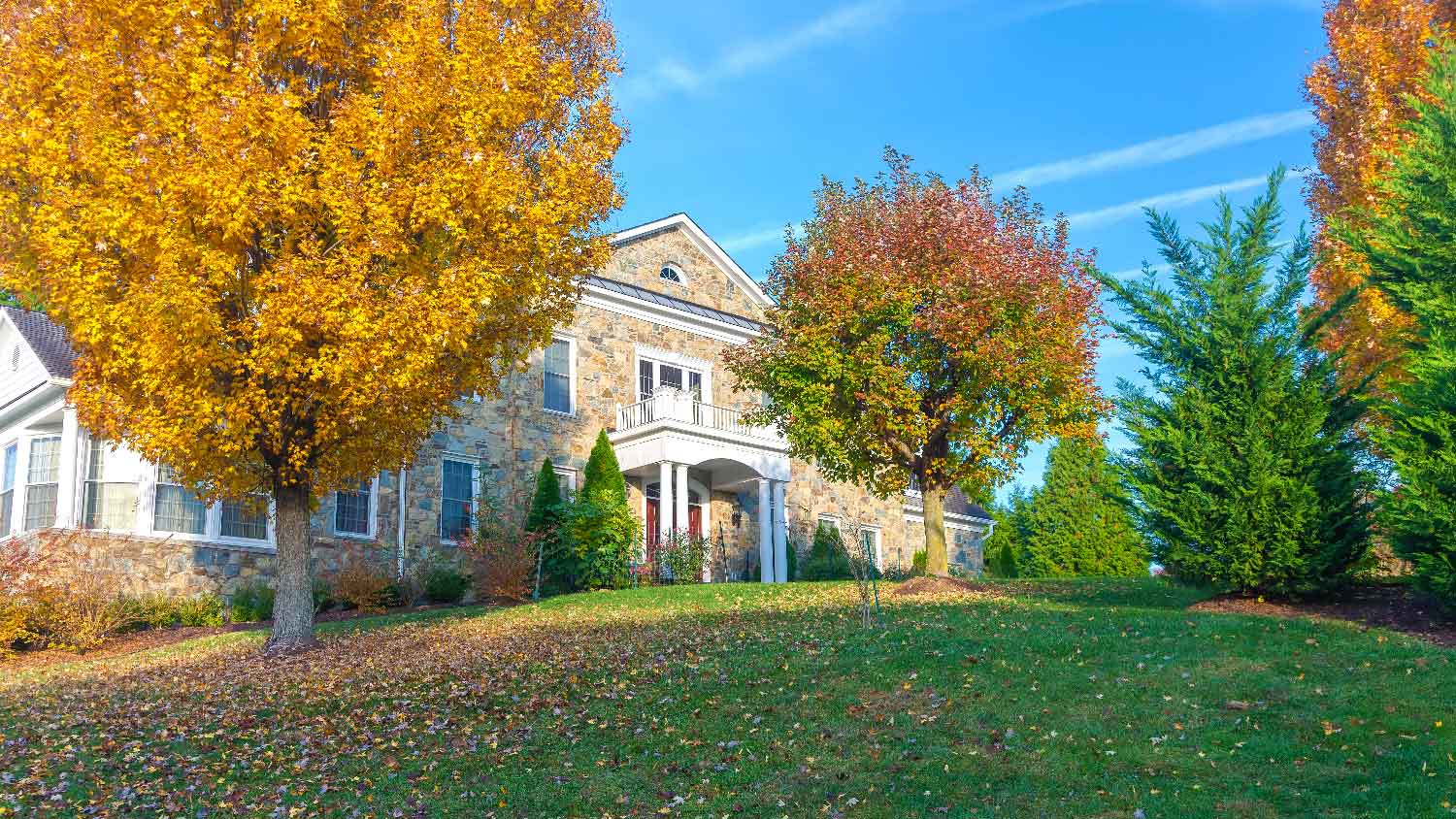
The best way is to start controlling tree height long before it grows too large, via careful pruning through the years. But that’s not always possible. If a tree has become too high or too large, use selective pruning to remove the most troublesome branches, one by one, without topping the tree. Gently shaping a tree like this can, over time, correct problems. You can also find growth inhibitors to spray on a tree to stop it from growing too rapidly, but use these sparingly if at all.

Only trim palm trees as needed, which is usually about once per year. However, don't stick to that schedule if the palm tree doesn't need it. Avoid trimming palm trees when possible. It’s best to trim palm trees only when you notice a buildup of dead fronds. That said, leave the brown fronds during the dormant season because this organic matter helps protect the tree from the cooler weather.

The Greenville, IN homeowners’ guide to arboricultural services

From average costs to expert advice, get all the answers you need to get your job done.