







Liedel Power Cleaning & Painting
Exterior Home or Structure - Paint or Stain: MediumExterior Home or Structure - Paint or StainExterior Home or Structure - Paint or Stain: Large
Serving Granger, IN and surrounding areas
Approved
In business since 1988
Free estimates
Emergency services offered
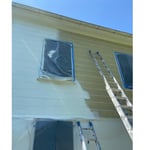
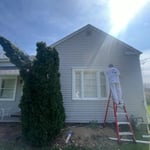
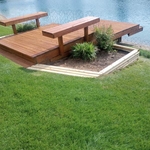
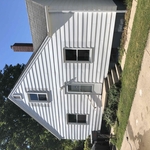
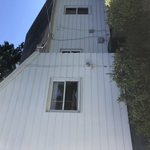
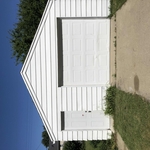
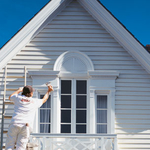
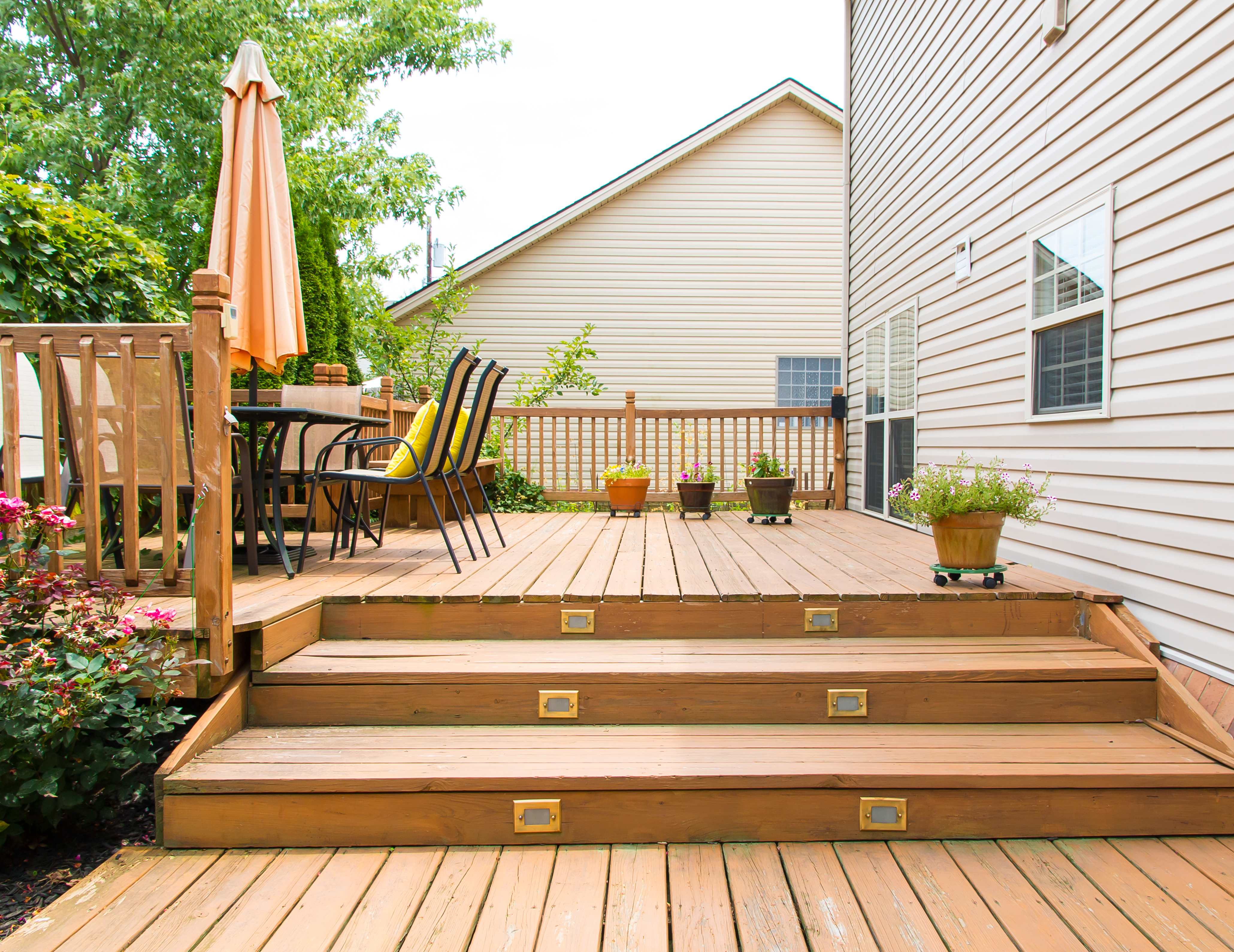
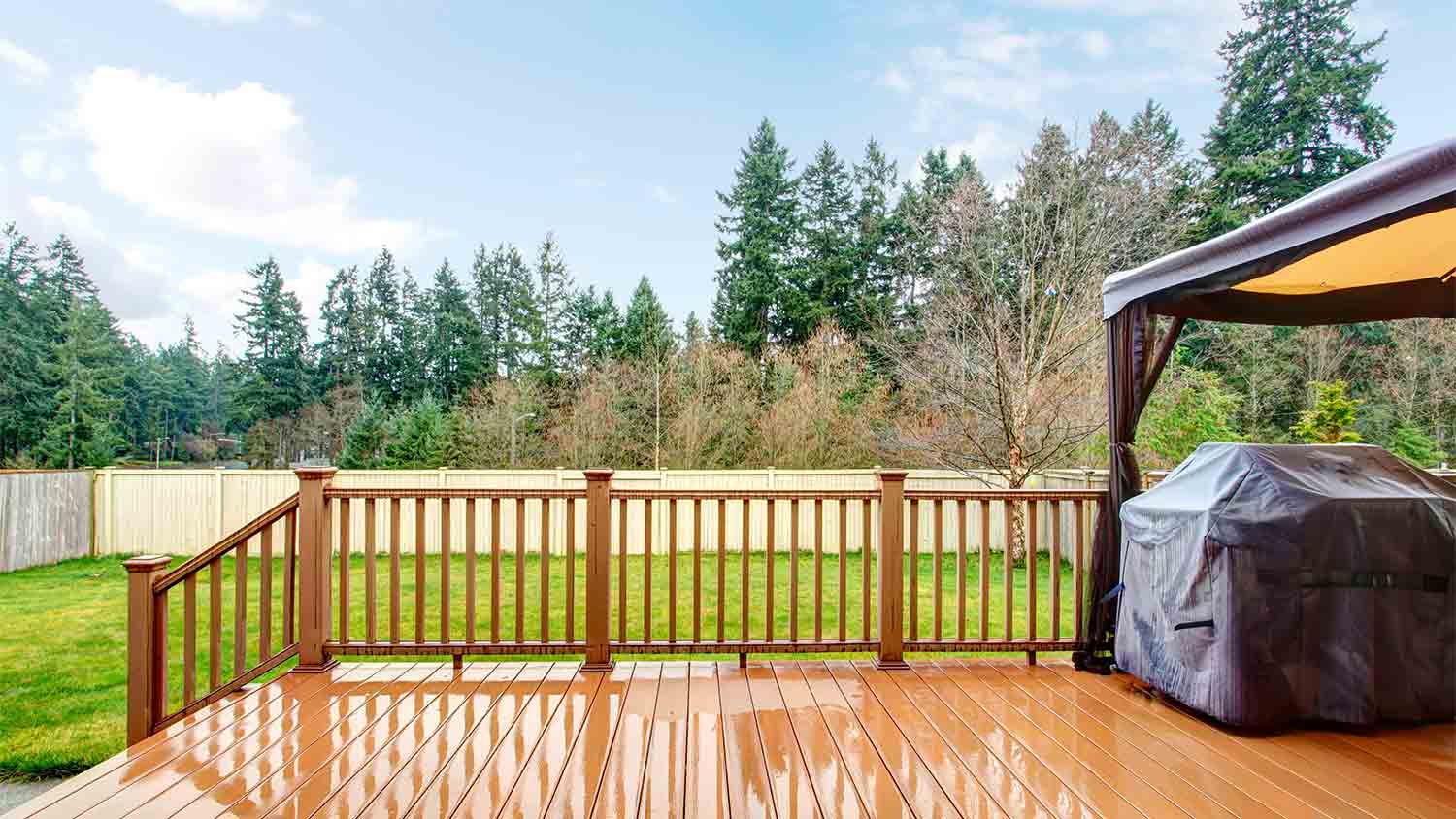
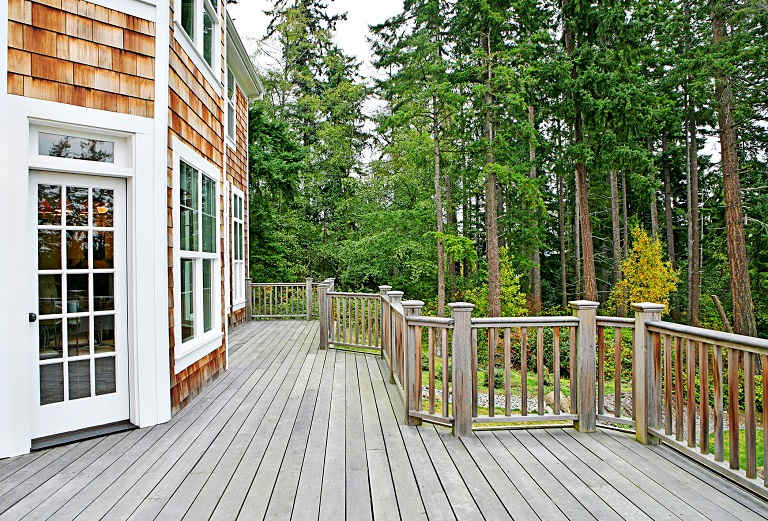
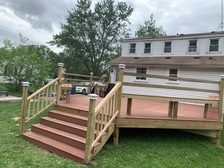
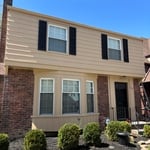
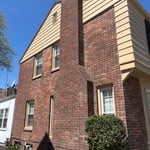
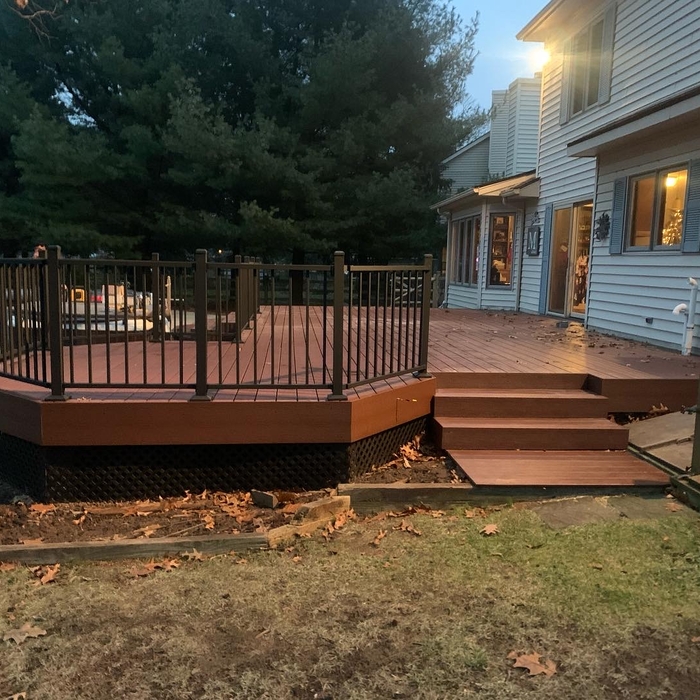
"This is a local family business. Three generations of the family showed up at our house to work. They were on time, friendly and very professional. We got an estimate from Brad. Benjamin and his team showed up on time and did all the work in one day! Benjamin's grandfather who is a carpenter came out to replace wood for two of the windows. It was great because we didn't have to contact another contractor. Brad stopped in occasionally to make sure things were running smoothly. The guys were very careful not to trample my plants around the house and they cleaned up as they worked. They left our yard immaculate when they left. They did a superb job painting the windows and staining the airing deck railing. The house looks so much better and we have peace of mind that everything was done the right way. On a personal note, we love the fact that they are a local Christian based, family business. We had to leave the house a few times during the day and we had peace of mind that we could trust them when we were gone. They all were so sweet and kind. Even our dogs adored them. We highly recommend Liedel Power Cleaning and Painting. We will contact them next year to have our garage painted. We couldn't be happier!"
+59
Response time1 day
Response rate100%
9 neighbors recently requested a quote